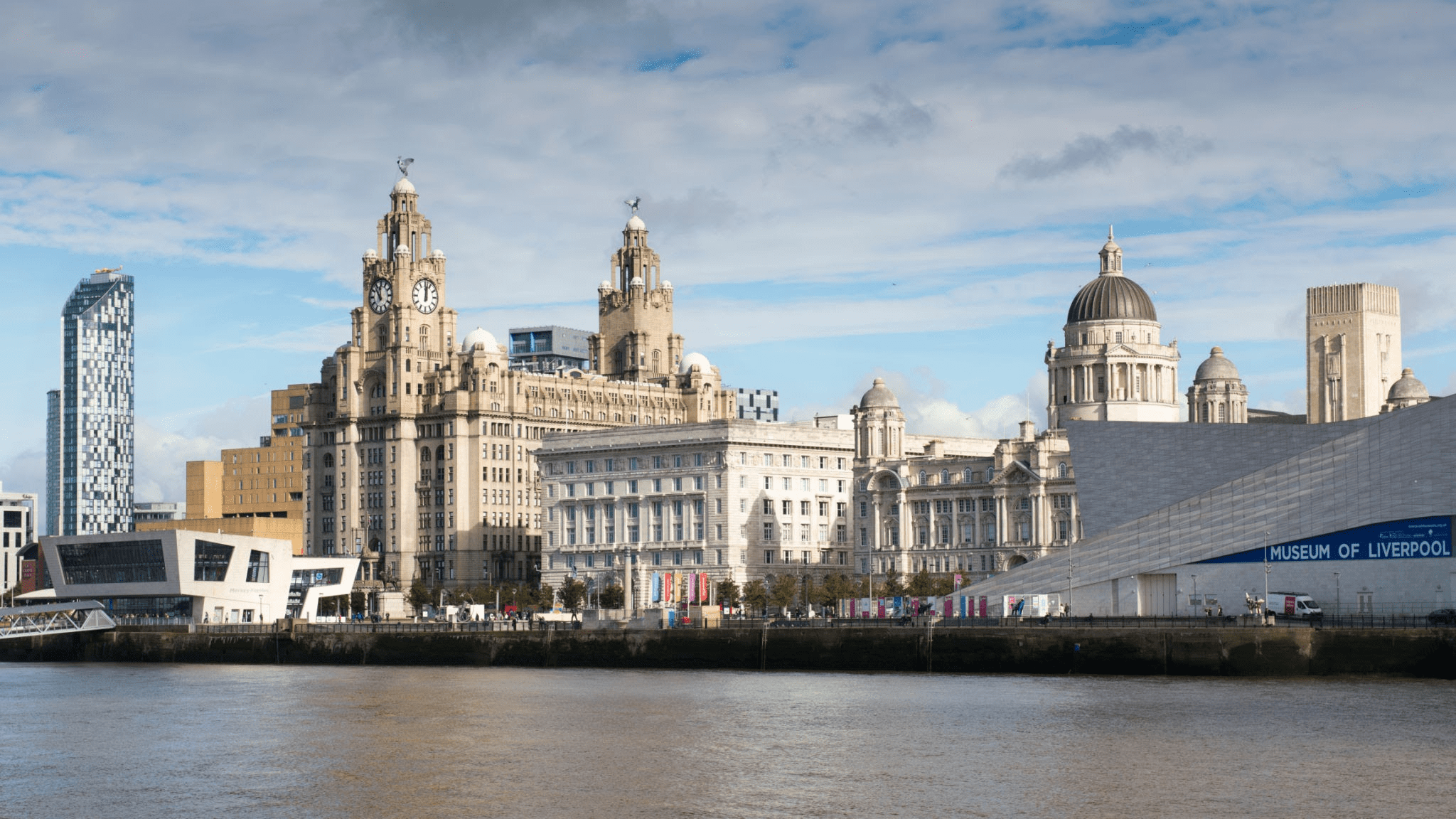

When a city has served as a bustling crossroads for sailors, smugglers, and seekers of a better life for centuries, it inevitably becomes shrouded in dark secrets. The most famous Liverpool myths originated right here, hiding in the thick fogs rolling off the River Mersey. Find the details on iliverpool.info.
Today, a pyramid with a macabre reputation stands on Rodney Street, pedestrians mysteriously slip through time on busy Bold Street, and locals still debate whether a young Adolf Hitler really hid out here in 1912. Where does the vivid imagination of Scousers end and documented historical fact begin? In this investigation, we dissect the most famous urban legends to deliver a final verdict: what is undeniable truth, and what is beautiful fiction.
The Tomb of William Mackenzie and the Deal with the Devil
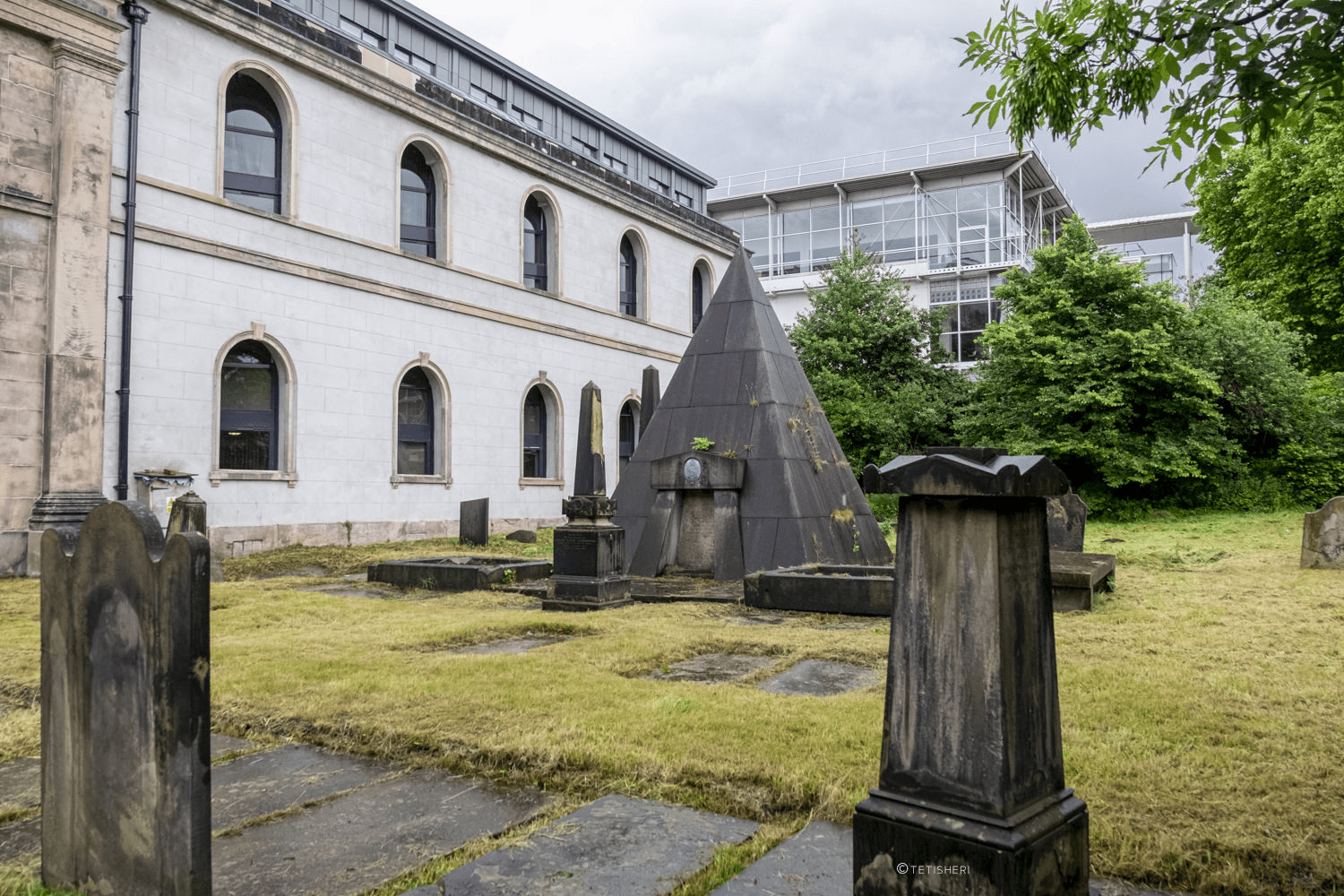
Legend. A grim urban legend has it that Mackenzie’s tomb in Liverpool holds the body of a notorious gambler who made a fatal deal with dark forces in exchange for success at the card table. To cheat Satan and keep his soul after death, the wealthy man left instructions to be buried inside a stone pyramid – sitting upright at a table, holding a winning hand of cards. According to this bizarre and popular myth surrounding William Mackenzie, the mystical pact with the Devil became invalid because his body was never formally committed to the earth.
Real facts. What does the famous pyramid on Rodney Street actually hide? Historical archives are merciless to mysticism: the real William Mackenzie was not a crazed gambler, but one of the most prominent civil engineers of Victorian Britain, who built railway tunnels across Europe. He died peacefully in 1851. Moreover, the massive granite monument over his grave was erected only 17 years after his burial – commissioned by his brother, Edward. There are no tables, skeletons on chairs, or aces up sleeves inside. The engineer’s body rests traditionally in a coffin deep underground, and the exotic shape of the monument is merely a nod to the Egyptomania that gripped the empire’s high society at the time.
Verdict: fiction. The eerie story about a supernatural card game turned out to be pure invention, spun around the unusual shape of the crypt. It is a classic example of how eccentric architecture and vast wealth spawn rumours that outlive their subjects by centuries. However, in a city like Liverpool with its vibrant nightlife, you might hear even wilder tales over a pint.
The Liver Birds – The Living Guardians of the City
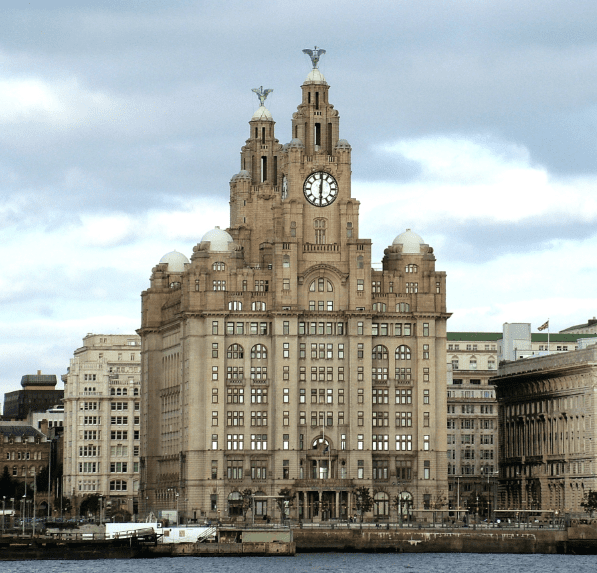
Legend. The famous Royal Liver Building also has its own mystical secret, often recalled by tourists spending a weekend in Liverpool. The myth claims that the two giant copper statues on the building’s roof are enchanted mystical guardians. According to local lore, the Liver Birds keep a watchful eye over the city: the female, Bella, looks out to sea, awaiting the safe return of sailors, while the male, Bertie, watches over Liverpool, protecting its citizens. The most dramatic part of the Liver Birds legend warns: if the birds ever come to life and fly away, the city will inevitably cease to exist, disappearing forever beneath the waters of the River Mersey.
Real facts. The historical roots of this symbol date back to the 13th century and actually derive from the eagle – the heraldic emblem of King John, who founded Liverpool. Over time, due to numerous mistakes by engravers and artists, the noble eagle mutated into a mythical cormorant with a sprig of seaweed in its beak. As for the romantic story about the names Bella and Bertie, this is purely a product of trademark local humour. Modern Scousers joke that Bella is actually looking out to sea for handsome sailors to arrive, whilst Bertie is keeping his eyes glued to the streets, checking if the local pubs have opened yet. The 5-metre figures themselves have been securely fastened with steel cables since 1911 and have no intention of flying anywhere.
Verdict: myth. Although the birds are indeed a historical symbol and a sort of mascot, apocalyptic prophecies about the city’s demise are just colourful urban folklore. This legend clearly demonstrates the specific local humour that managed to turn copper sculptures into fully-fledged residents of Liverpool.
Time Slips on Bold Street
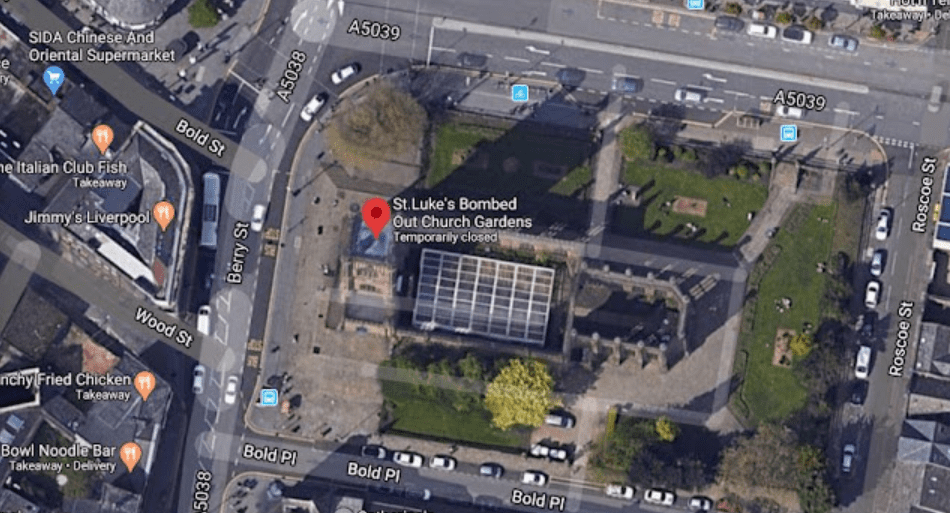
Legend. It is believed that the city’s central shopping street is a zone of paranormal activity, home to the phenomenon of time slips on Bold Street in Liverpool – an involuntary “slipping through time”. Dozens of people claim that during an ordinary stroll, they suddenly found themselves in the 1940s or 1950s: they saw retro cars, pedestrians in old-fashioned clothes, and shop signs that ceased to exist long ago (such as the Cripps store). According to rumours, this mystical portal opens unpredictably, dragging random passers-by into the past for a few minutes.
Real facts. The popularity of the time-slip phenomenon on Bold Street skyrocketed thanks to local writer and paranormal researcher Tom Slemen, who spent years carefully collecting and publishing such testimonies in his books. Tom Slemen documented numerous similar stories, which gave the myth credibility. There is no scientific evidence for the existence of portals.
Sceptics offer several prosaic explanations: from the specifics of geological fault lines and electromagnetic fields generated by the underground Merseyrail loop line, to the psychological phenomenon of mass suggestion. Often, witnesses might have seen actors in costumes or themed shop window displays, and the human brain, influenced by the popular urban myth, simply filled in the blanks.
Verdict: legend (but a very persistent one). Although real-time travel remains science fiction, the Bold Street phenomenon has become an integral part of modern Liverpool folklore. This story is so deeply rooted in the public consciousness that even the most pragmatic tourists can’t help but look around for retro cars whilst walking here.
Hitler in Liverpool and Pop Culture Mysteries
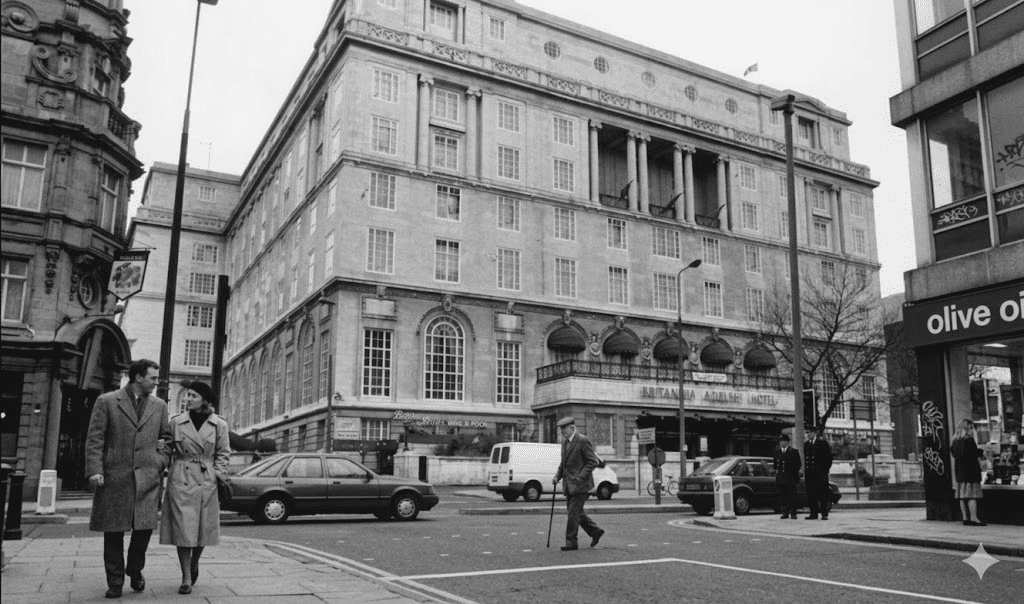
Legend. The city’s most sensational myth claims that a young Adolf Hitler hid out in Liverpool to dodge the Austrian military draft. According to rumours (the search query “Hitler Liverpool 1912” is still popular), the future dictator lived with his half-brother Alois on Stanhope Street, drank ale in Peter Kavanagh’s pub, and wandered the streets of Toxteth. This is just the tip of the iceberg of local gossip: other famous myths include the creepy ghosts of the Adelphi Hotel roaming its corridors, and the world-famous conspiracy theory (referred to by the code phrase “Paul is dead”) which asserts that the real Paul McCartney died in a car crash in 1966 and was replaced by a lookalike.
Real facts. Historical research does not confirm Adolf Hitler’s presence in Britain. His brother Alois did indeed live in Liverpool, worked as a waiter, married an Irish woman named Bridget Dowling, and owned a house at 102 Stanhope Street (which was later destroyed by German bombers during the Second World War). However, there is no evidence that Adolf himself ever crossed the English Channel. These rumours likely stemmed from Bridget’s own memoirs, which are considered highly dubious.
As for the Adelphi Hotel, its “ghosts” are more likely the creaking floorboards of the Victorian era and the vivid imaginations of its guests. And the conspiracy theory has long been debunked by McCartney himself, although The Beatles consciously or unconsciously fuelled it by hiding “clues” on their album covers.
Verdict: myth. All these sensational stories fail to withstand factual scrutiny. Nevertheless, they demonstrate Liverpool’s ability to generate powerful informational buzz that has intrigued researchers and fans for decades.