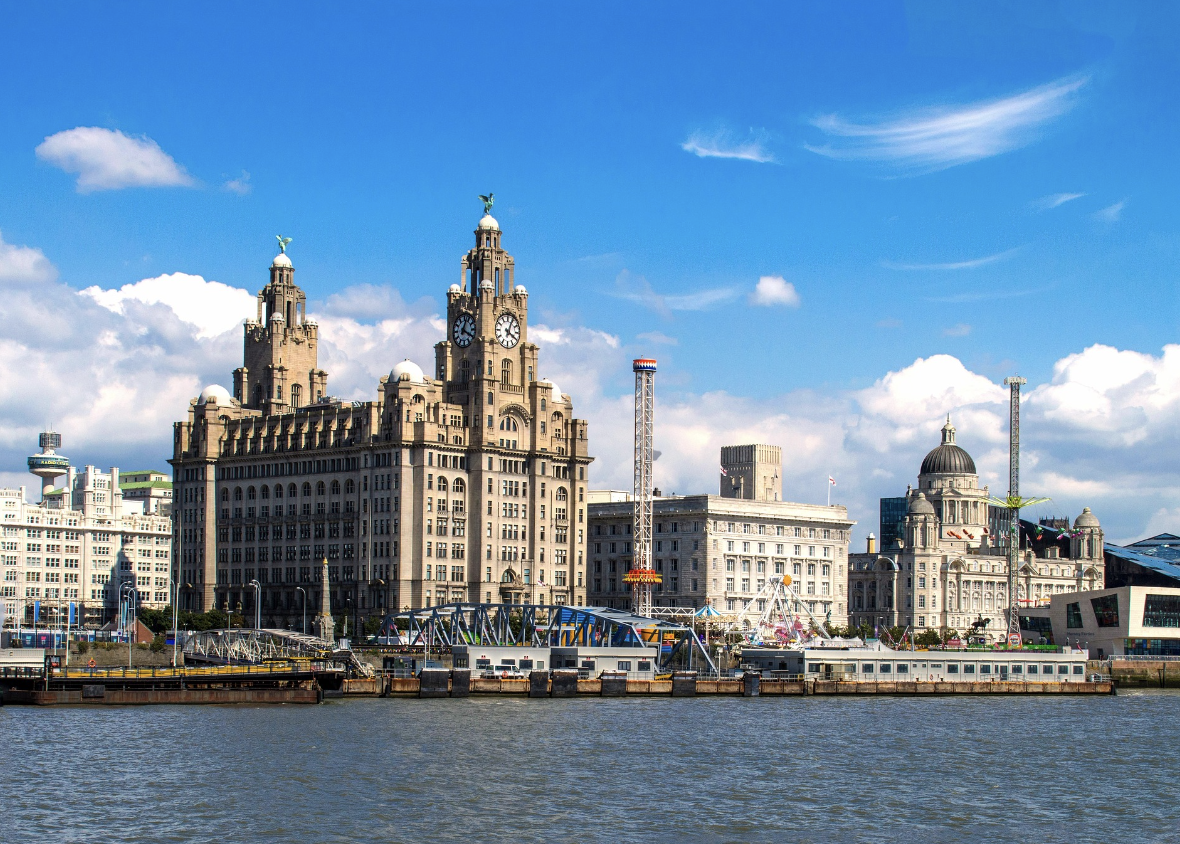

Liverpool is a city defined by gusty winds, fast-changing weather, and scenic waterfront views. Its defining geographic feature is the River Mersey, which opens into the Irish Sea. When considering Liverpool’s climate, it is vital to account not only for the river basin, but also for its direct exposure to the sea. While brisk maritime air has clear benefits, high humidity levels and relentless gale-force winds present real challenges for anyone living with respiratory issues. To learn more about how Liverpool’s coastal environment shapes the daily well-being of its residents, visit iliverpool.
Features of Liverpool’s Coastal Climate
The climate of Liverpool is classified as temperate maritime, heavily influenced by its location on England’s north-west coast along the Irish Sea. This environment brings moderate temperatures, frequent precipitation, and modest amounts of sunshine. The annual mean temperature sits at roughly 10.5 °C. Summer highs generally average around 20 °C, while winter minimums in January hover near 3 °C. Annual rainfall averages between 800 and 900 mm—substantially higher than figures typically recorded across south-east England.
Proximity to the river significantly drives up moisture levels, making cold snaps feel much more piercing. While healthy individuals usually tolerate these conditions without issue, those with underlying health concerns may experience uncomfortable symptoms. High humidity during transitional seasons creates prime conditions for mould growth. Older housing stock is particularly prone to this problem, and airborne mould spores pose direct risks to health. In addition, households across coastal neighbourhoods frequently deal with indoor condensation, a known trigger for asthma flare-ups and allergic reactions.
Air Quality in Liverpool
Living near open water does not automatically guarantee clean, safe air. Air quality hinges on a wide range of variables: meteorological conditions, industrial emissions, and traffic density. Sea breezes should not be viewed as a silver bullet for asthma or chronic respiratory illnesses. Given Liverpool’s rich industrial heritage, air pollution remains an ongoing challenge. A study conducted by the University of Liverpool using a sensor network across 2023–2024 revealed that average PM2.5 concentrations often exceed WHO guideline thresholds (which recommend an annual average below 5 µg/m³). Northern districts—including Anfield, Everton, and Kirkdale—frequently experience poorer air quality due to dense terraced housing, heavy traffic, and port operations. Conversely, southern and eastern neighbourhoods such as Aigburth, Childwall, and Mossley Hill fare better, benefiting from open green expanses and stronger air circulation.
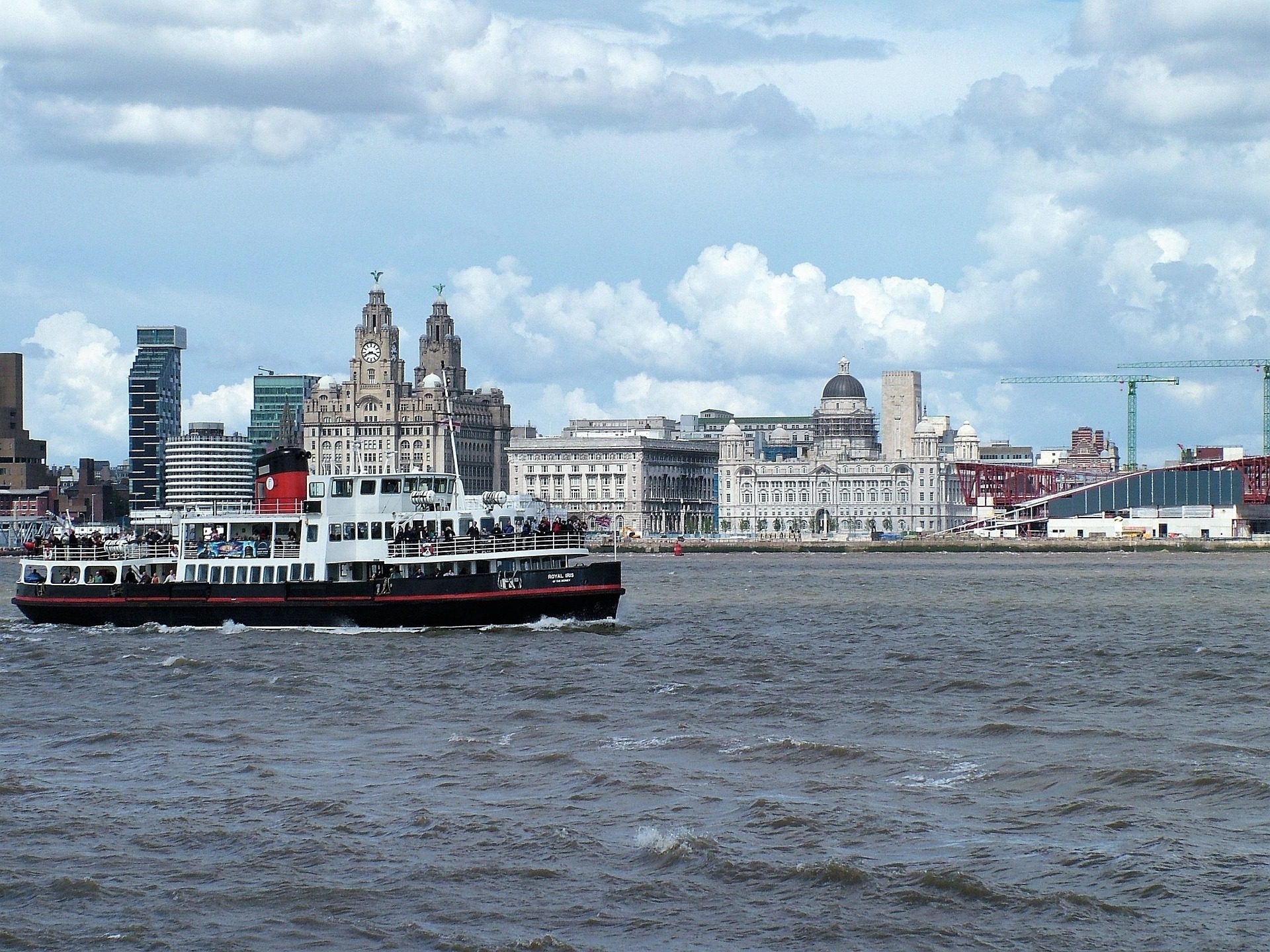
Even so, the city offers plenty of green retreats away from busy thoroughfares. Otterspool Park is a prime example: a scenic space not just for jogging or cycling, but also for enjoying panoramic views across the Mersey.
A few practical habits can help minimise the impact of adverse environmental factors:
- Time your outings carefully. Avoid exercising or walking along major arterial routes during peak traffic hours.
- Track local air quality. Use official platforms like UK-AIR to monitor real-time pollution readings and review health advisories.
- Guard against high pollen counts. During hay fever season, check pollen forecasts regularly to plan outdoor activities accordingly.
- Account for cold winds. On raw, blustery days, limit prolonged exposure in unsheltered coastal areas.
- Manage indoor dampness. Air out rooms consistently, encourage airflow, and tackle condensation early to prevent mould colonies from forming.
- Always prepare for rain. Showers in Liverpool can develop without warning; keep an umbrella or waterproof layer close at hand.
How Humidity and Mist Affect the Respiratory System
The coastal environment of Liverpool is inextricably linked with elevated humidity. Incoming air masses from the Irish Sea and the wide Mersey estuary bring lingering damp and thick sea mist. For healthy individuals, this simply means dreary, chilly weather. For those managing asthma, COPD, or airway hyperresponsiveness, however, moisture-heavy air acts as a persistent irritant. Damp living conditions take a toll on both physical and mental well-being. Excessive indoor dampness fuels the growth of harmful microorganisms, including mould fungi, dust mites, bacteria, and airborne pathogens. Older adults, pregnant women, oncology patients, children, and individuals with weakened immune systems are especially vulnerable to these environments.
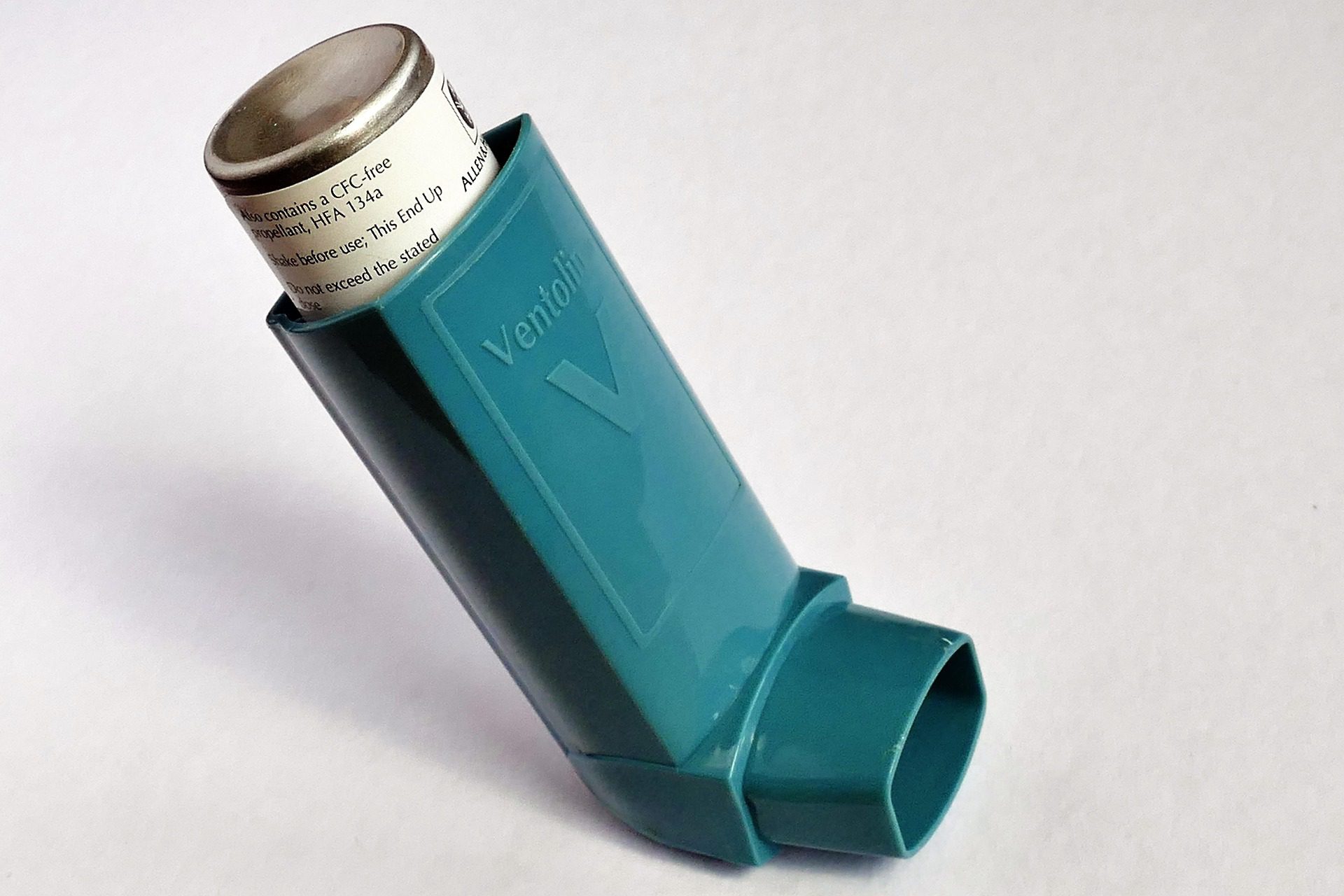
Damp air often feels dense and heavy, triggering breathlessness in individuals with reduced lung capacity. Furthermore, chronic indoor moisture fuels the spread of dust mites and fungal spores—especially in older properties near the waterfront. Residents end up facing a double hazard: cold, moisture-saturated air outdoors and concentrated allergens indoors.
Common health complaints linked to persistent damp and mould include:
- Eye irritation, redness, and itching;
- Skin flare-ups and worsening eczema;
- Recurring fungal and respiratory infections.
Summary Table: How Liverpool’s Climate Impacts Respiratory Health
| Climate Factor | Health Impact | Practical Advice for Residents |
| Salty sea breeze | Supports healthy airway clearance in robust lungs | Enjoy walks along the Mersey promenade or in Otterspool Park on clear days |
| High atmospheric humidity | Can trigger asthma attacks or chronic bronchitis flare-ups | Run dehumidifiers indoors and ensure regular cross-ventilation |
| Strong, gusty winds | Aggravates dyspnoea and chest discomfort in COPD patients | Protect the mouth and airways with a scarf on cold, blustery days |
| Port and vehicle emissions | Irritates mucous membranes and worsens allergy symptoms | Avoid running or vigorous workouts alongside high-traffic corridors |
If you notice persistent respiratory symptoms or your general health deteriorates, always seek advice from a medical professional. Self-diagnosis and self-treatment can lead to complications. This article is published solely for educational purposes and should never replace tailored consultation with a physician.
Living alongside the Mersey means adopting a proactive approach to dampness, sudden cold, and air quality. Rather than treating coastal air as a universal cure-all, the smartest approach is to enjoy Liverpool’s outdoor spaces while mindfully adapting your daily habits to support your personal health.