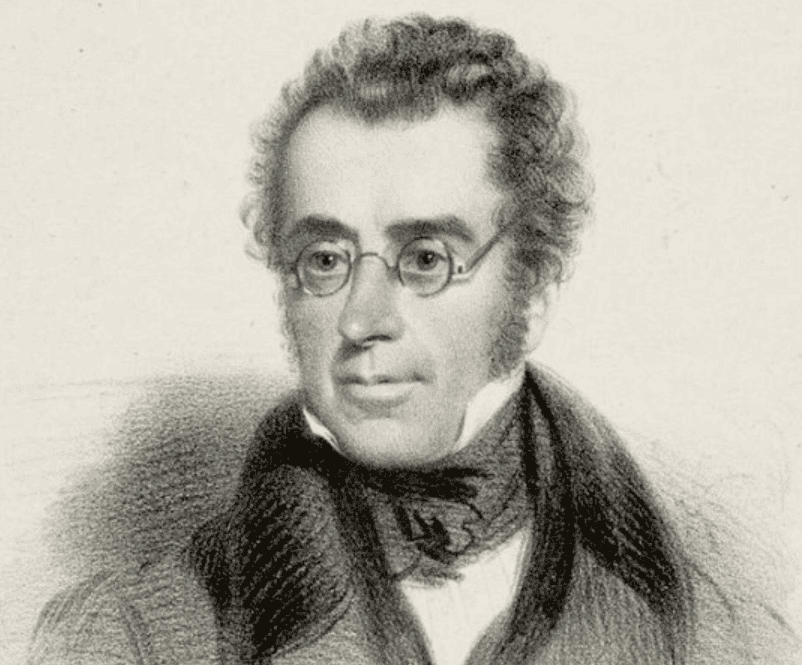

John Bostock (1773–1846) was a Liverpool-born physician, chemist, physiologist, and geologist, best known as the author of the first detailed medical description of hay fever. He was born and worked in Liverpool before eventually moving to London. Read on at iliverpool.info as we explore the most fascinating details of his life and career.
Background and Education
John Bostock was born in Liverpool into the family of a local doctor. His father, also named John Bostock, was a prominent Liverpool physician and a Fellow of the Royal Society (FRS). It was likely this family background that influenced his career choice: the young John decided to follow in his father’s medical footsteps.
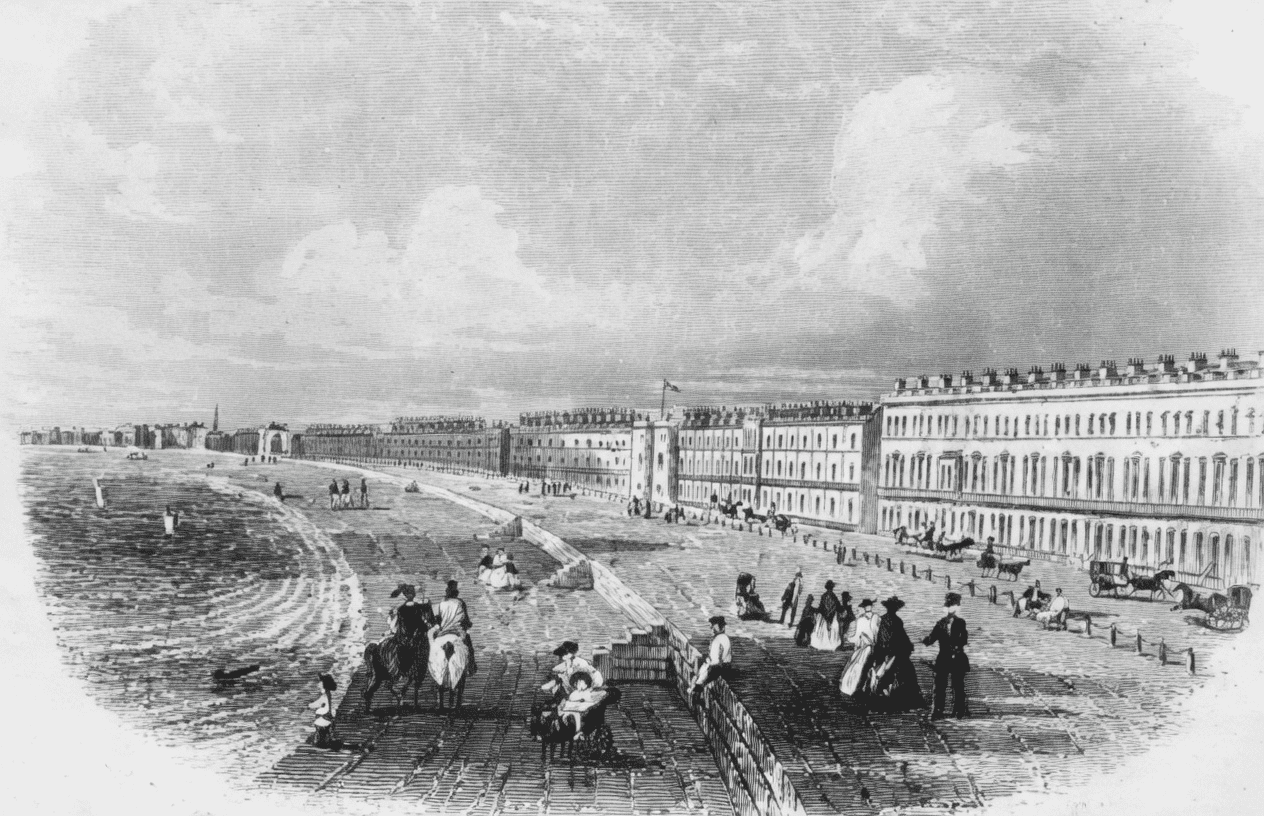
From childhood, the future doctor experienced recurring health issues. Starting at the age of eight, he developed symptoms every June that he would later describe as summer catarrh: sinus congestion, a feeling of heaviness, and fatigue. These symptoms became a part of his personal experience long before he ever began studying medicine.
Bostock received his education at the leading scientific centers of his time. In 1792, he attended a course of lectures by the famous chemist and philosopher Joseph Priestley. John initially trained as an apothecary and later enrolled at the University of Edinburgh — one of Europe’s top medical institutions. In 1798, he defended his doctoral dissertation in medicine on the secretion of bile.
Edinburgh’s scientific environment and the influence of Priestley’s lectures fostered Bostock’s deep interest in chemical and physiological processes. This combination of theoretical knowledge and practical training prepared him to return to his native Liverpool as a fully qualified physician.
Medical Practice in Liverpool
After earning his medical degree from the University of Edinburgh in 1798, John Bostock returned to his hometown. Here, he was appointed as a physician to the Liverpool General Dispensary, an institution that provided medical care to the poor. He quickly built a strong reputation there, successfully combining clinical practice with active public and scientific engagement.
Bostock did not limit himself to treating patients. He became one of the main driving forces behind the creation of the Liverpool Fever Hospital, which played a crucial role in fighting infectious diseases in the industrial city. Furthermore, alongside colleagues like Dr. Rutter and William Roscoe, he played an active part in founding the Liverpool Botanic Garden. This initiative grew from discussions held around 1800–1802. Bostock enthusiastically collected plants and was a passionate supporter of the Linnaean system.
A major contribution was his role in establishing the Liverpool Literary and Philosophical Society. Within this organization, Bostock merged his medical expertise with a strong interest in natural sciences, chemistry, and geology. He also published scientific papers; notably, in 1810, he released “Remarks on the Nomenclature of the New London Pharmacopœia”, where he criticized the pharmacopoeia of the London College of Physicians and proposed more accurate chemical and botanical names for drugs.
The Liverpool doctor’s activities went far beyond pure medicine. He delivered lectures on physiology (such as those at the Royal Institution in 1816) and participated in local debates on public health. The reputation he built in Liverpool was largely based on his contributions to the city’s healthcare infrastructure and scientific life. He remained an active clinician during this period until 1817, when he moved to London to focus entirely on theoretical science.
Scientific Research and Discoveries
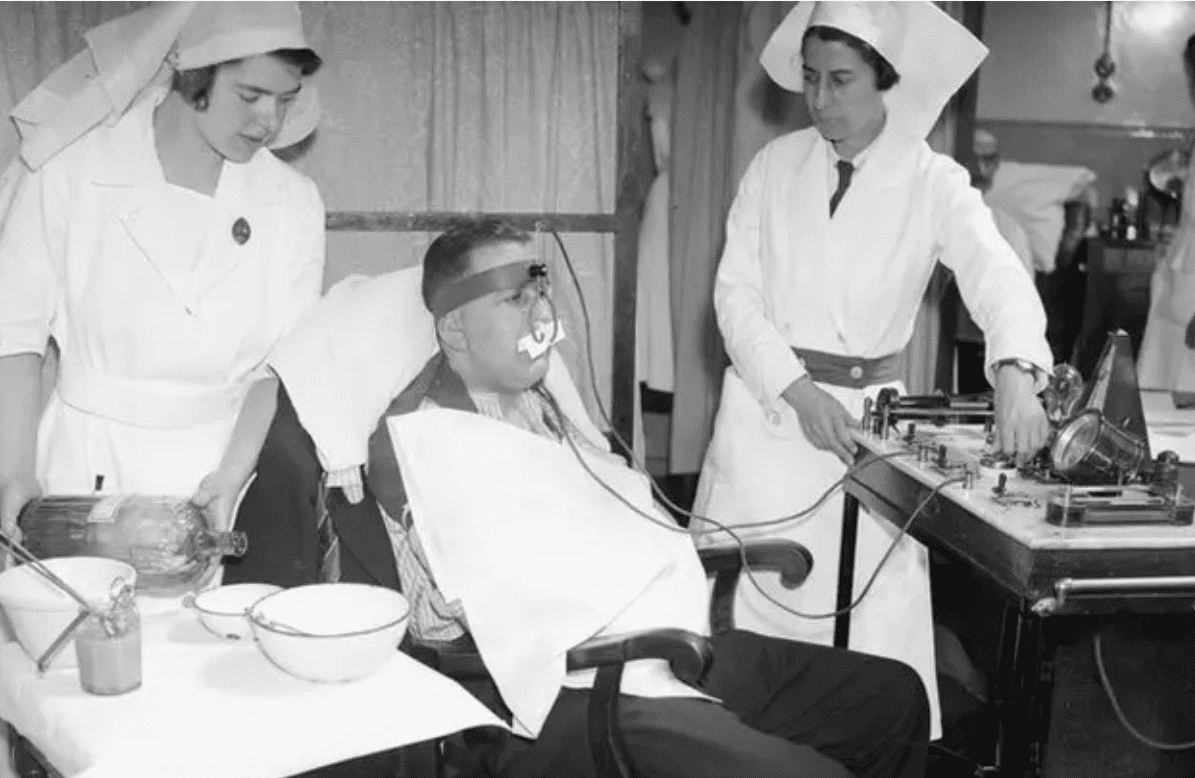
Following his move to London in 1817, John Bostock gave up clinical practice completely to concentrate on chemical physiology and pathology. He became one of the first chemical pathologists of his time, intensively studying the composition and changes of bodily fluids — especially blood, urine, and bile. His work combined chemical analysis with clinical observation, a truly pioneering approach for the early 19th century.
One of Bostock’s key contributions was his research into the relationship between blood composition and urine in kidney disease. He was the first to record that, under certain pathological conditions, urea levels decrease in the urine and accumulate in the blood, while albumin, conversely, decreases in the blood and increases in the urine. These observations were described in his letters and papers, and were later cited by Richard Bright when describing nephrotic syndrome (1827). Bostock also maintained his interest in bile secretion, the very topic of his 1798 doctoral dissertation.

However, his most famous medical discovery was the first detailed clinical description of hay fever. On March 16, 1819, he presented a paper to the Medical and Chirurgical Society of London titled “Case of a Periodical Affection of the Eyes and Chest”. Under the guise of a patient named J.B. (46 years old, of a spare habit), Bostock described his own symptoms, which had troubled him since he was eight. He detailed annual attacks occurring in June and July: severe itching and redness of the eyes, excessive tearing, fits of sneezing, nasal congestion, a sense of heaviness in the head, hoarseness, and difficult breathing. He noted that the symptoms eased when he stayed indoors and that he had tried various treatments (bloodletting, cold baths, opium, emetics), but without lasting effect.
In 1828, Bostock published a second paper, “Of the Catarrhus Aestivus or Summer Catarrh”, gathering data on 28 similar cases across Britain. He proposed the name catarrhus aestivus, believing it to be a common catarrh aggravated by summer heat. Although he mentioned the popular belief that the “effluvium of new hay” was the cause, he leaned toward the idea of a heat-induced seasonal exacerbation. Before him, the condition had barely been documented in medical literature (save for a brief mention by William Heberden).
These studies formed the foundation of his major textbook, “An Elementary System of Physiology” (1824–1827, three volumes), which became a popular overview of physiological knowledge of the era. Bostock also wrote on galvanism, the purification of Thames water, and the history of medicine, demonstrating an incredibly broad scientific horizon.
Later Life and Legacy
Stepping away from clinical practice was a bold move, but Bostock made it consciously to dedicate himself entirely to theoretical research. He was elected a Fellow of the Royal Society (1818), lectured on physiology at Guy’s Hospital alongside figures like Richard Bright and Thomas Addison, and served as President of the Geological Society of London (1826). By publishing “An Elementary System of Physiology” and “A Sketch of the History of Medicine” (1835), he summarized the contemporary knowledge of both fields.
His scientific legacy spanned chemical pathology, the analysis of blood and urine in kidney disease, and the first comprehensive descriptions of hay fever. These works laid the groundwork for the future study of allergic diseases and chemical diagnostics. Bostock remained an active member of scientific societies until the end of his life, seamlessly blending his interests in chemistry, geology, and medicine.
John Bostock died on August 6, 1846, in London from cholera — sanitation and personal hygiene at that time were not yet at the highest level. He was 73. The doctor’s early activities in Liverpool, specifically his work in local medicine and his involvement in establishing scientific and public institutions, became an important chapter in the history of the city’s healthcare. Around the same period, midwifery was also actively developing in Liverpool.