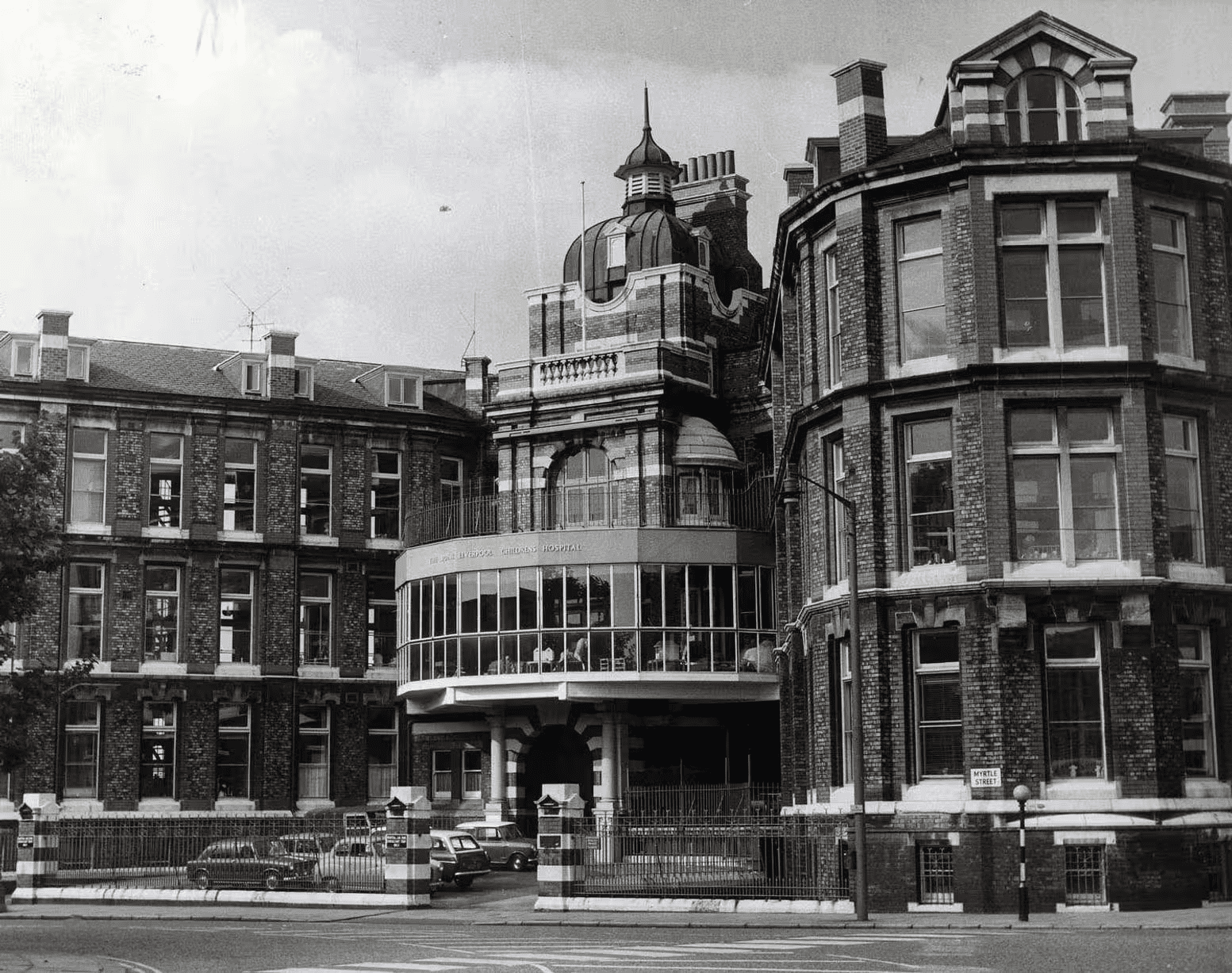

The Royal Liverpool Children’s Hospital is one of the oldest specialized children’s hospitals in Britain, founded in 1851 as a charitable institution for poor children in industrial Liverpool. It operated for over 130 years and became a true symbol of medical care for the most vulnerable segments of the population during the era of the Industrial Revolution, wars, and post-war reconstruction. The website iliverpool.info has collected the most interesting facts about this hospital.
The Hospital’s Role: Past and Present
The hospital helped the people of Liverpool, treating thousands of children every year (already in 1880, it saw 29,000 outpatient cases). It provided free care for acute illnesses, injuries, infections, and congenital defects. Groundbreaking surgeries were performed here, including the first open-heart surgery in Liverpool (in 1949, on a patient named Brenda Moss); pediatric cardiology, X-ray diagnostics, anesthesia, and early forms of rehabilitation were also developed here.
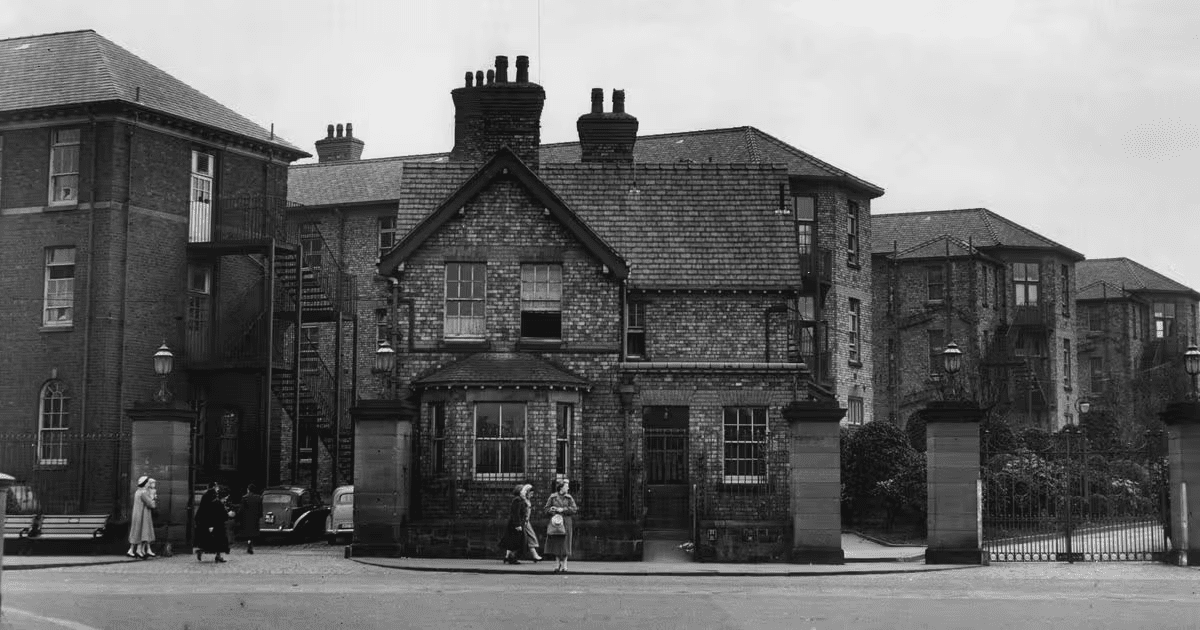
During the Second World War, the hospital continued to operate despite the bombings, saving children in the hardest of times. After 1948 (when it joined the NHS), it remained a key pediatric center for Liverpool’s working-class families. Many former patients and staff remember it warmly: balconies for fresh air, the care of the staff, and an atmosphere of hope in difficult conditions. The institution treated not only locals – children came here from all over the world. Its closure in 1989–1990 and the transfer of its functions to Alder Hey marked the end of an era, but this in no way diminishes the hospital’s contribution to the history of British pediatrics.
But how did events unfold chronologically? That is exactly what we will look at next. Overall, it is a story of compassion, innovation, and social support in one of Europe’s harshest industrial cities.
History of Foundation, Development, and Closure
The Royal Liverpool Children’s Hospital on Myrtle Street traces its roots back to the Liverpool Infirmary for Children, founded in 1851. It was one of the first specialized charitable children’s hospitals in Britain, established to provide free medical care to children from the poor families of industrial Liverpool. In 1866, the first building on Myrtle Street was opened. By 1880, the facility was already treating around 29,000 outpatients annually, demonstrating the massive demand in a city with high child mortality due to infections, injuries, and poverty.
In 1907, a new, more modern building was opened on the same site. A country branch was developed simultaneously: between 1899 and 1910, the Royal Liverpool Country Hospital for Children was established in Heswall to treat chronic illnesses. After lengthy discussions, the city branch (on Myrtle Street) and the country branch (in Heswall) merged in 1920 into a single Royal Liverpool Children’s Hospital. The Myrtle Street branch became the urban hub for acute cases, injuries, and emergency care, while Heswall handled long-term treatment. In 1948, with the creation of the National Health Service (NHS), the institution became part of the state system. At the same time, it maintained its leading role in Liverpool.
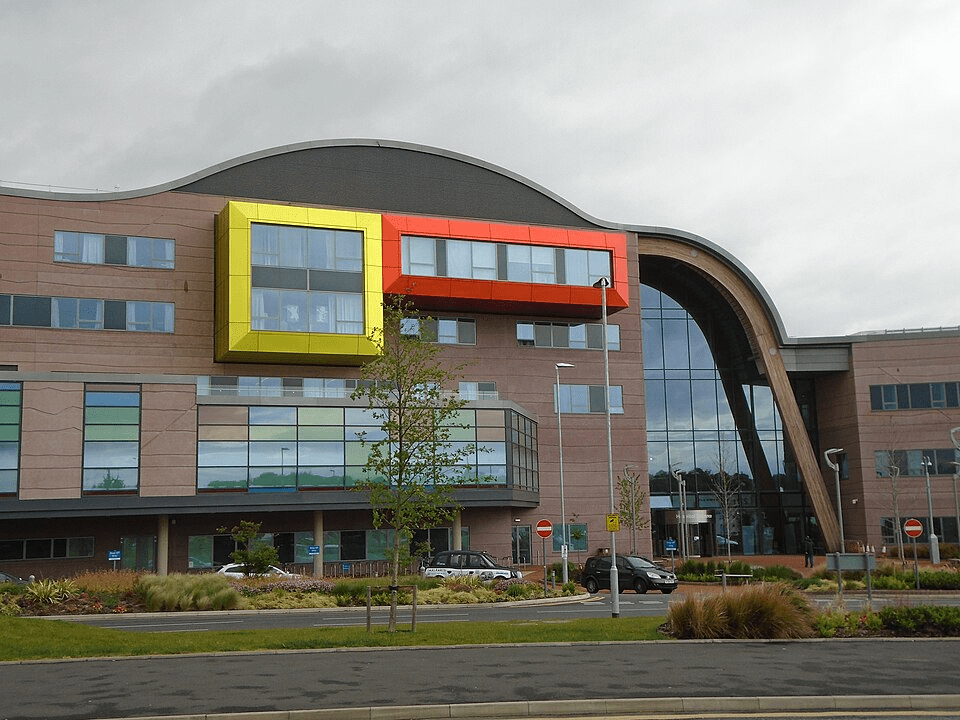
For decades, the hospital on Myrtle Street remained a symbol of children’s medicine in the city. The facility survived the Second World War, continuing its work despite bombings, and treated thousands of children. However, in the second half of the 20th century, the centralization of pediatric services began. The Heswall branch was closed in 1985. In 1989, inpatient treatment on Myrtle Street ceased, and between 1990 and 1994, all services were completely transferred to Alder Hey Children’s Hospital.
The closure of the facility on Myrtle Street marked the end of an over 130-year era of an independent city children’s hospital. At that time, by the way, there were many similar changes; for example, 2 other institutions merged to form the psychiatric hospital Ashworth Hospital.
Today, no traces of the institution remain on the site of the former building, but the fruits of its labor have certainly not disappeared. Overall, the Royal Liverpool Children’s Hospital on Myrtle Street epitomized the transition from Victorian charity to modern state medicine.
Medical Achievements and Innovations of the Hospital
The Royal Liverpool Children’s Hospital became an important center for the development of pediatrics in Great Britain. In the second half of the 20th century, pioneering interventions were performed here, in particular, the first open-heart surgery in Liverpool. In 1949, six-year-old Brenda Moss became one of the first patients in the world to successfully undergo such an operation. This breakthrough paved the way for the development of pediatric cardiac surgery in the region and saved the lives of many children with congenital heart defects.
The hospital actively implemented technologies that were modern for their time. X-ray diagnostics were widely used, anesthesia methods for young patients were refined, and laboratory research was developed. The facility on Myrtle Street specialized in treating acute infectious diseases, injuries, and post-operative rehabilitation. Thanks to the building’s balconies and large windows, doctors were able to use fresh air as an element of therapy, which was a common practice in the pre-antibiotic era. The institution also treated chronic patients in collaboration with the country branch in Heswall.
Significant contributions were made by local doctors and surgeons who worked to improve treatment outcomes in an industrial city with high child mortality. The hospital attracted patients not only from Liverpool but also from other regions and even from abroad. Its experience in combining acute care and long-term care became a model for other children’s institutions. Many innovations pioneered on Myrtle Street eventually moved to Alder Hey.
Although major breakthroughs in neonatal surgery and certain other fields were later associated with Alder Hey Hospital, it was the Myrtle Street facility that laid the foundation for modern pediatrics in Liverpool. The hospital demonstrated how a charitable institution could evolve into a modern medical center, combining care, science, and practical help for thousands of families.
Features, Interesting Facts, and Human Stories
The building of the Royal Liverpool Children’s Hospital on Myrtle Street was a true architectural landmark of the area. The red brick structure with large windows, balconies, and a distinctive dome created a sense of light and space even on gloomy days. The balconies were used for fresh-air therapy – children spent a lot of time there, especially those recovering from infections. Many former patients recall that a warm atmosphere prevailed in the wards, despite the harsh medical conditions of the time.
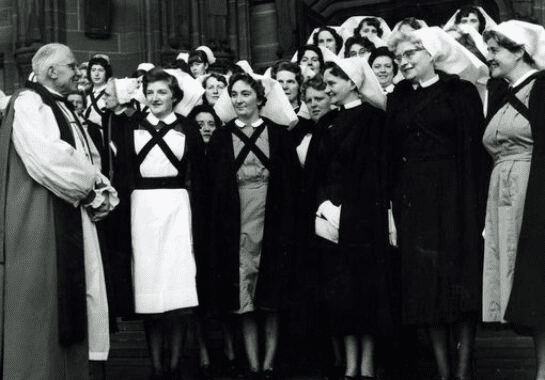
The hospital was an integral part of the lives of thousands of Liverpool families. Children of dock workers, factory laborers, and slum dwellers were treated here. During the Second World War, the hospital never ceased operations, even during German bombing raids. Nurses and doctors often risked their lives to protect their young patients. There are countless oral accounts of staff carrying children to shelters or continuing to operate during blackouts.
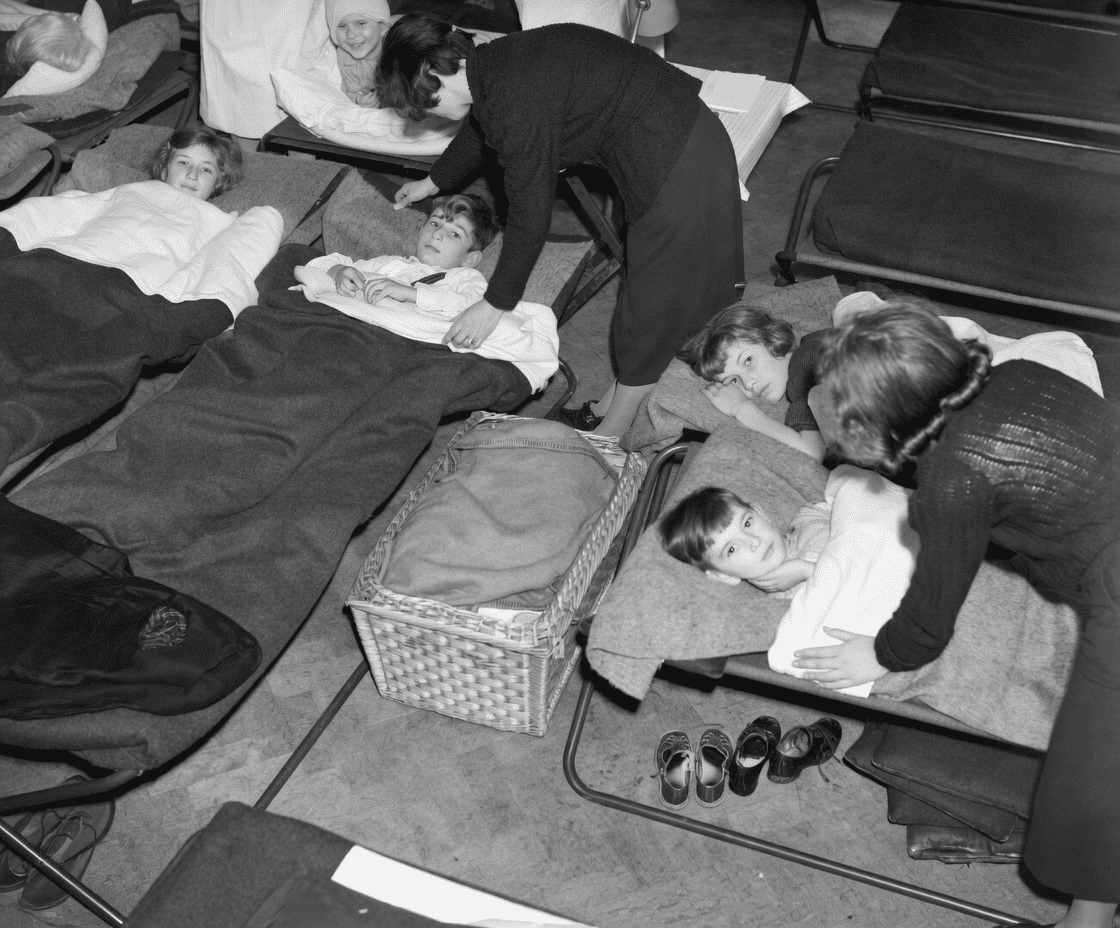
After closing in 1989–1990, the Myrtle Street facility remained in the memory of Liverpudlians as a place of hope. Many former patients and staff members still join, share photos, and recount memories. Some recall specific doctors and nurses who treated the patients as if they were their own children. The institution also accepted patients from other countries, making it a kind of international pediatric center of its time.
The Royal Liverpool Children’s Hospital on Myrtle Street became a symbol of how an ordinary charitable institution could protect the health of children in one of Britain’s toughest industrial cities for over a century. The doctors who worked there were true heroes, just like those who delivered babies when midwifery in the city was only just developing.