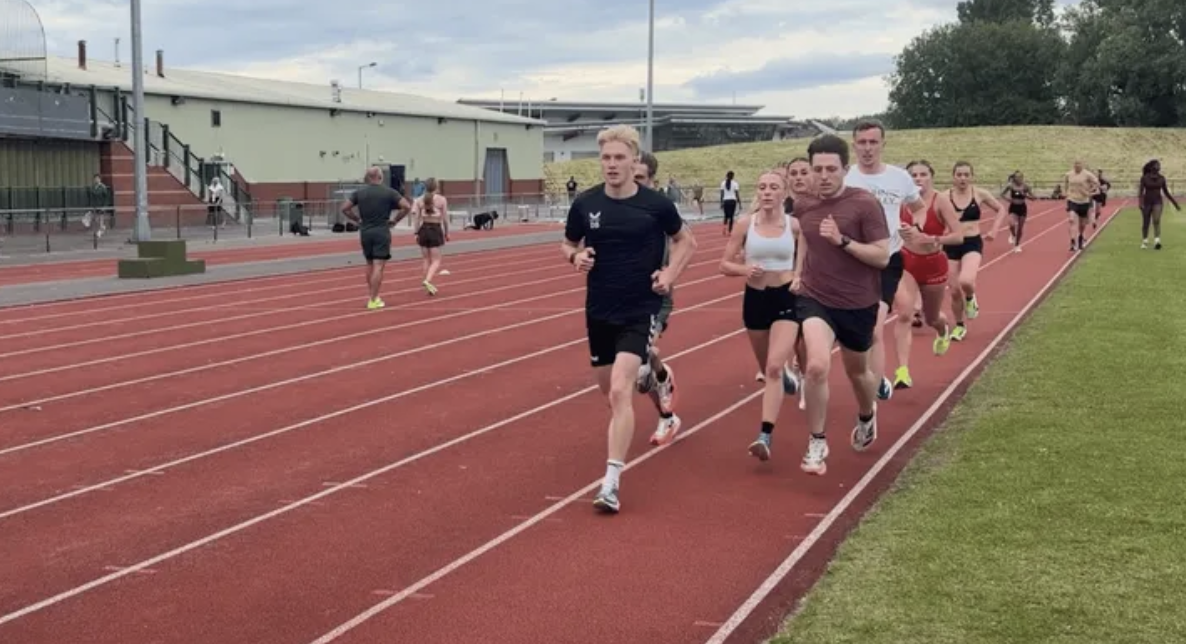

In British athletics history, few grassroots initiatives have managed to evolve into enduring Olympic powerhouses. Founded in 1882 as an amateur group of winter cross-country enthusiasts, Liverpool Harriers & AC journeyed from informal runs around the city fringes to becoming the region’s premier sporting cornerstone. Read the full story on iliverpool.info.
At first glance, it might look like just another track and field facility in Wavertree. In reality, it is a powerhouse sporting institution that has nurtured dozens of world-class athletes—a legacy stretching all the way from the 1912 Stockholm Games to modern multimetallists like Katarina Johnson-Thompson. How did a local club achieve such sustained success, and what is the secret behind its longevity?
A Fox on the Shoulder and Winter Mud: The Birth of Cross-Country
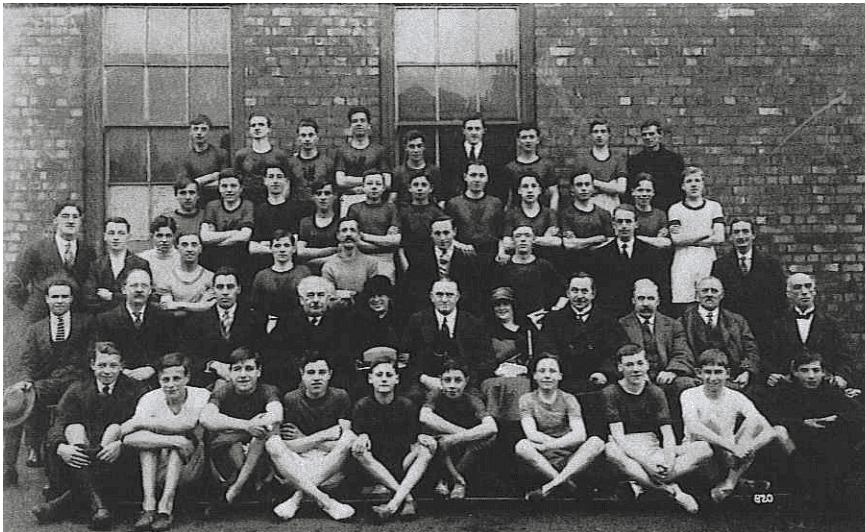
Modern track and field clubs conjure images of pristine all-weather surfaces and indoor training sheds. Yet in the 1880s, organised amateur sport was still in its infancy. Liverpool Harriers was founded on 27 September 1882 during a meeting at the Farnworth Hotel, originally conceived purely as a cross-country outfit for rigorous winter runs. Tom Crellin chaired the meeting and was promptly elected the club’s first captain. The name Liverpool Harriers & Athletic Club was formally established in 1894, although both designations were used interchangeably for decades.
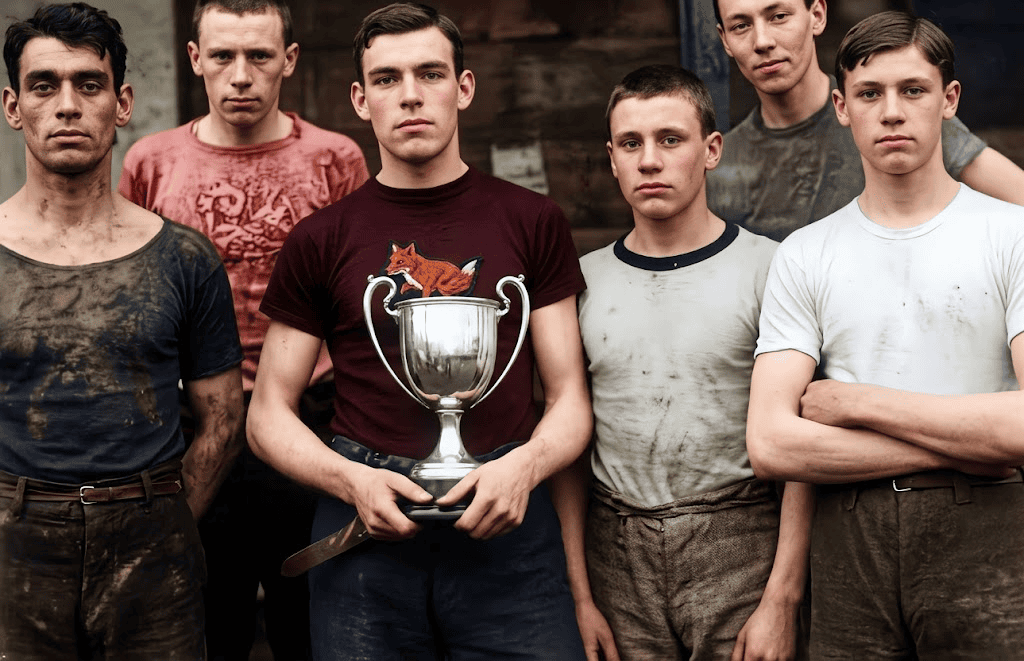
Setting off on their earliest runs from the Queens Hotel, members ran in scarlet vests featuring the club’s signature fox emblem stitched onto the shoulder. That amateur passion quickly translated into regional dominance. By 1883, the squad captured the Northern Counties Championship—with Crellin also taking the individual crown—and the club held onto the team title from 1884 through 1886.
The crowning achievement of that early era arrived in 1885, when the Liverpool squad secured its first (and only) English National Cross Country Championships victory. The members of that gold-medal lineup—Paddy Shea, Edward McCabe, Tommy Duckett, George Henry Bannister, Giblin, and McAffee (the last two remembered only by their surnames)—etched their names permanently into the club’s folklore. Athletics back then drew massive crowds: special spectator trains ran to district events, and thousands of fans lined the muddy courses.
Nomads of the Track: A Century-Long Quest for a Permanent Home
For much of their history, Liverpool’s athletes had no permanent home of their own. Their relentless relocations evoke the story of jazz in Manhattan, where legendary clubs constantly bounced from venue to venue across the city. Early harriers drifted between temporary training grounds, from Kensington Fields to the Cattle Market. Relative stability only emerged in the mid-20th century, with Woolton Woods serving as their headquarters from 1943 to 1970. The club relocated twice more within the same neighbourhood, moving first to a local boys’ club and then, during the 1980s, to Woolton Priory.
A true breakthrough came in 1990, when the athletes finally put down roots in Wavertree. Setting up on Wellington Road transformed the outfit into a modern athletic powerhouse. By 1993, the site opened a dedicated clubhouse fitted with changing rooms, showers, catering facilities, and an equipment shop.
Today, the complex stands as a premier training venue: its eight-lane synthetic track received a major overhaul in 2017, complemented by floodlighting and a covered grandstand. For winter conditioning, the indoor facility features a 60-metre warmup sprint straight alongside dedicated jumps and throws cages. Crucially, the venue remains community-driven rather than an exclusive sanctuary, opening its gates to other local clubs and neighbourhood schools.
The Liverpool Olympic Express (and the Road to Paris)
Consistent campaigns in the British Athletics League during the “golden” 1970s cemented the club’s reputation as an elite athletic machine. However, Liverpool’s presence on the international stage began long before that era. Benjamin Howard Baker paved the route from local cross-country circuits to global arenas, competing in both the high jump and triple jump at the 1912 Stockholm Games.
The club’s Olympic pedigree also extended well beyond summer sports. Keith Oliver represented Great Britain in biathlon and cross-country skiing across three consecutive Winter Games throughout the 1970s and 1980s. Still, the lion’s share of silverware has come from the track athletes who cut their teeth on the red surface at Wavertree, with the club consistently feeding talent into British and Irish national squads.
To capture the scale of this legacy without getting lost in pages of archives, here is a snapshot of standout milestones from Liverpool stars across the generations. It underscores the incredible journey the club has travelled—from Stockholm all the way to Katarina Johnson-Thompson’s triumph in Paris:
| Athlete | Olympic Games (Year) | Event | Key Achievement |
| Benjamin Howard Baker | Stockholm (1912), Antwerp (1920) | High jump, triple jump | The club’s inaugural Olympian |
| Steve Smith | Atlanta (1996) | High jump | Bronze medal and British national record |
| David Devine | London (2012, Paralympics) | 800m & 1500m | Double bronze medalist on home soil |
| Anyika Onuora | Rio de Janeiro (2016) | 4×400m relay | Bronze medal |
| Katarina Johnson-Thompson | Paris (2024) | Heptathlon | Olympic silver medal in the multi-events |
Victims of Their Own Success: Waiting Lists and Coaching Shortages
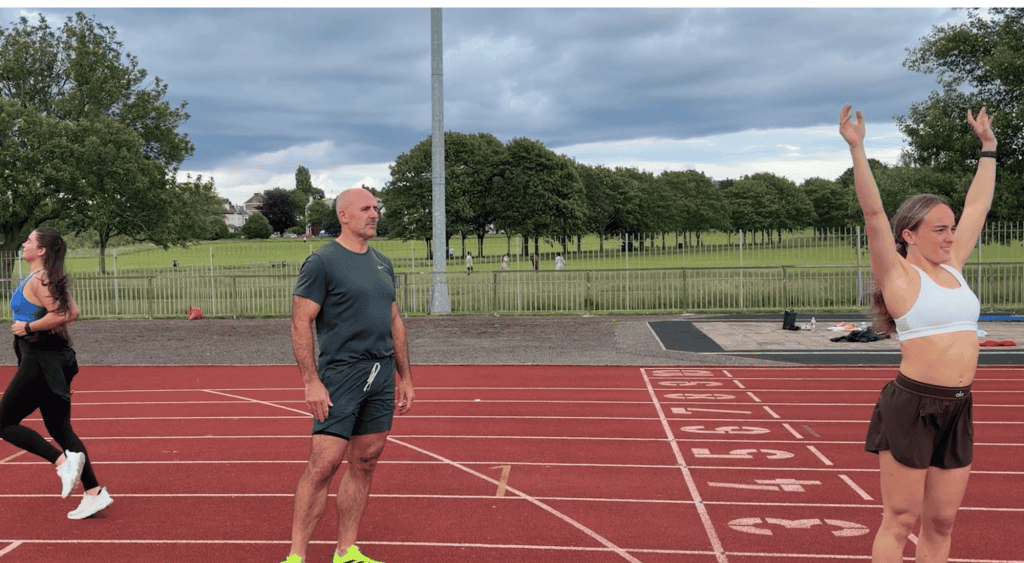
The club’s standing carries one distinct challenge: overwhelming demand. The Wavertree hub has long served as a vital county-wide athletic hub. Former president Steve Carroll, who steered the organisation from 2019 to 2025, placed heavy emphasis on forging relationships with local schools. That initiative proved so successful that waiting lists for junior intake are now the norm.
The irony is that while the track itself can absorb countless runners, qualified coaches are in short supply. Surging demand keeps the club hunting for licensed mentors, meaning the system continues to rely heavily on dedicated volunteerism and a tight-knit family culture. The weekly schedule remains rock-solid: every Tuesday and Thursday at 4:45 pm, the facility buzzes with junior athletes, followed by senior squads taking the track around six o’clock.
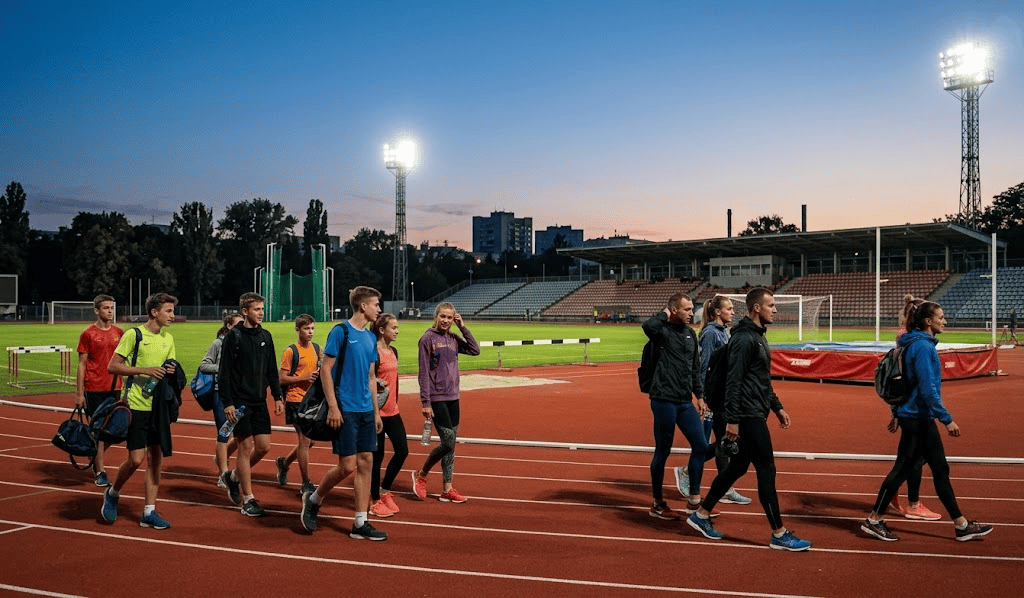
While the younger generation tackles hurdles and jumping pits, Liverpool’s senior contingent continues to shine on the roads. Long-distance stalwarts Jonny Mellor and Rachael Hodgkinson spearhead the club’s endurance reputation, repeatedly rewriting club record books and posting competitive times at elite international marathons.
Keys to the City: 144 Years of Nonstop Running
Years of athletic excellence have brought significant civic recognition. In 2026, the club received top-tier accolades: England Athletics and Athletics Weekly crowned the Harriers Club of the Month, followed by Liverpool City Council bestowing its highest civic honour by admitting the club to the city’s Roll of Associations. The tribute acknowledged more than 140 uninterrupted years of history, an enviable line of Olympians, and deep community outreach with local youth.

A mid-2020s leadership change underscored the club’s forward-looking spirit. In 2025, Christina Van Steen assumed the presidency, becoming both the first woman and the youngest person ever to lead the Harriers—a milestone that encapsulates the club’s contemporary, forward-looking ethos.
Today’s high-performance facility and international medalists are a far cry from those initial winter jogs through suburban mud. Yet the club’s heart remains unaltered: it still thrives on volunteer passion, deep community ties, and the very same spirit that prompted a handful of runners in 1882 to sew a red fox onto their running vests.