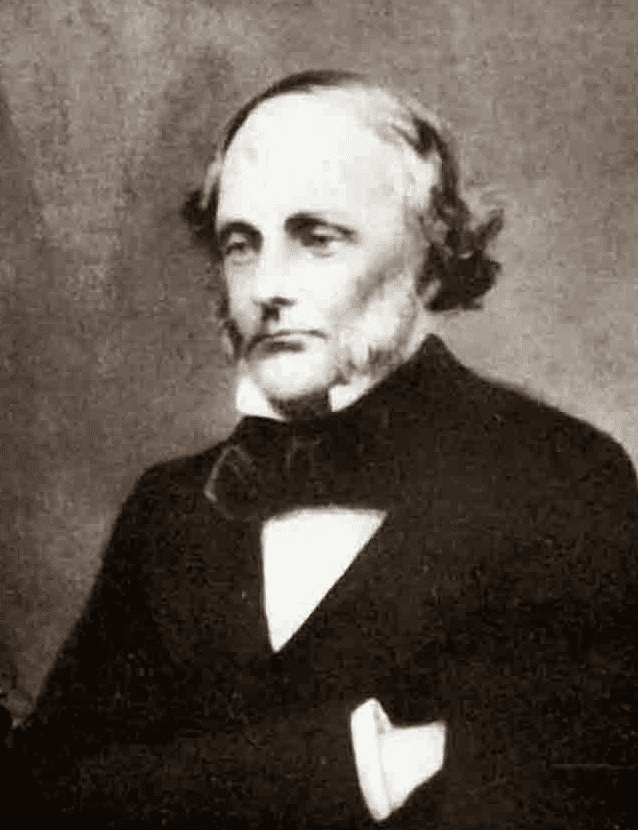

In the mid-19th century, Liverpool was a city of contrasts. Trade was booming, and industry was thriving, but the majority of its residents lived in squalor. In dark basements and cramped courtyards, infections spread, and epidemics ravaged the poor, claiming thousands of lives. It was in these conditions that William Henry Duncan emerged, a person we will revisit on iliverpool.info.
He was a doctor who set out to change the healthcare system itself. Duncan (his life story is detailed here) is considered Britain’s first Medical Officer of Health and a key reformer. In this article, we’ll focus on his views and reforms.
“Diseases are not in heads, but in walls”: Duncan’s core idea
In the 19th century, many explained the high mortality in working-class neighbourhoods simply: people were poor, so they were supposedly “lazy” or “immoral.” Diseases were seen as a punishment for moral failings. William Henry Duncan vehemently rejected this view. He saw a completely different picture: squalid basements, dampness, a lack of ventilation, and rubbish lying in the streets. In his view, the residents themselves were not to blame, but the conditions they were forced to endure.
He clearly articulated this idea in his 1843 work, “On the Physical Causes of the High Rate of Mortality in Liverpool.” Duncan emphasised that a doctor must look beyond the symptoms of a single patient. If people live in a dangerous environment, epidemics will return again and again, no matter what medicines are used.
There can be no doubt that the causes of the unusually high prevalence of this disease in Liverpool lie primarily in the state of working-class housing… Insufficient ventilation… lack of places for waste storage… an imperfect drainage system…
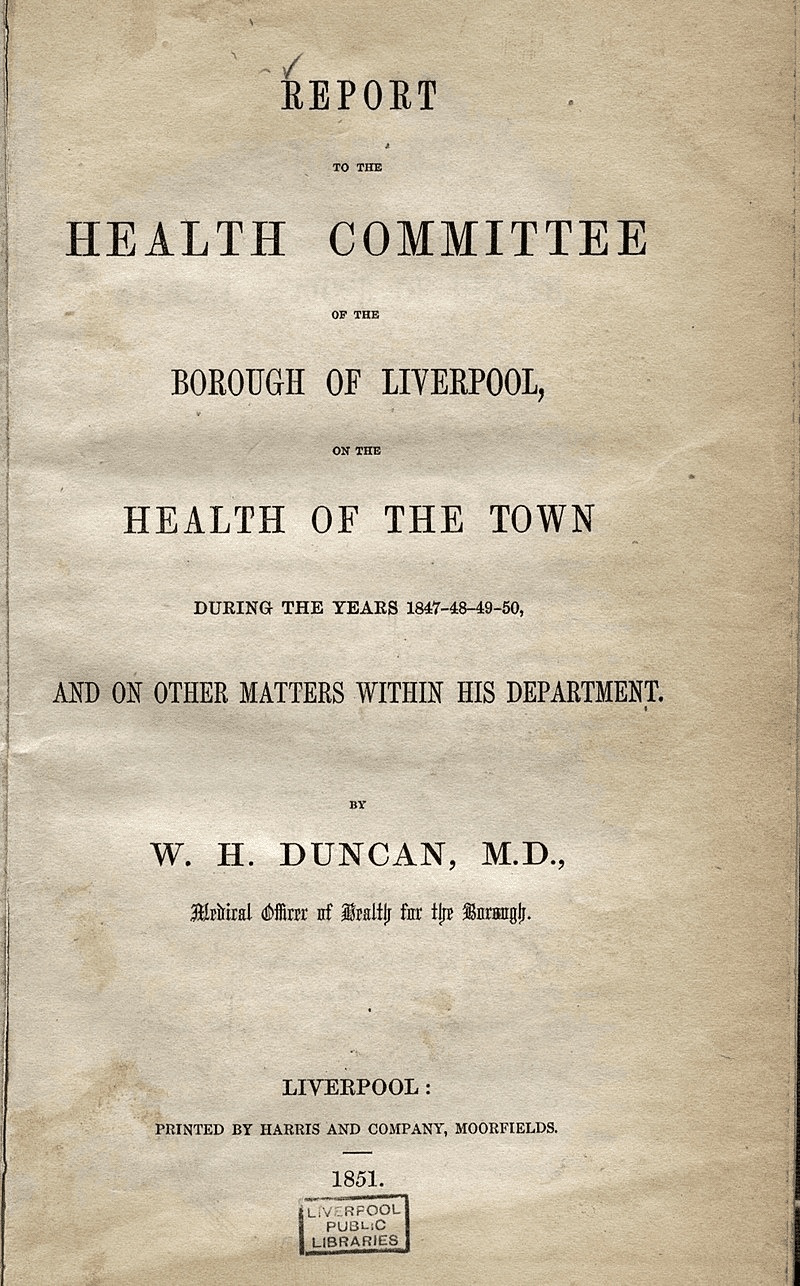
Thus, he effectively made medicine a public matter rather than a purely private practice. This sounded revolutionary: instead of blaming slum residents for their own illnesses, Duncan proposed that the authorities and his colleagues address the real causes—poor sanitation and overcrowding. And this shift in thinking became the first step toward genuine reform.
19th-Century Liverpool: A City of Sickness and Squalor
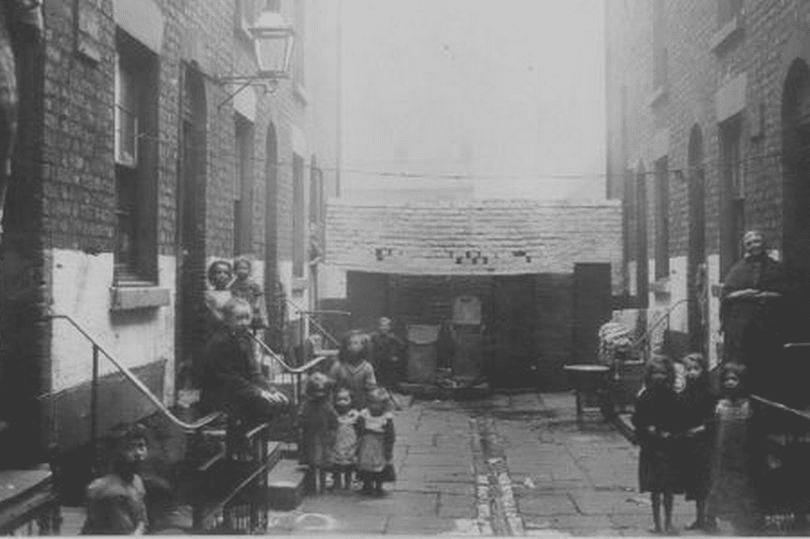
In the mid-19th century, Liverpool was considered the “gateway to Britain.” Maritime routes converged here, and trade ships arrived from all over the world. But behind the facade of luxurious villas and bustling docks lay a different reality—thousands of workers and the poor huddled in damp, stuffy basements where daylight was only seen through narrow cracks.
Overcrowding was staggering, with several families sometimes sharing a single room. Sewerage was virtually non-existent, and waste collected in cesspools or was simply dumped into the street. The air in the courtyards was heavy, a mix of smoke, the smell of waste, and moisture. It’s no surprise that in such conditions, diseases spread instantly.
Epidemics were a particular scourge for the city. In 1847, when thousands of Irish immigrants arrived in Liverpool, fleeing famine in their homeland, a “fever” claimed over 5,800 lives. Almost 2,600 more people died from diarrhoea and other stomach illnesses. The streets where the new arrivals lived quickly became centres of infection.
Such figures were shocking even to those accustomed to high mortality rates. At the time, Liverpool held a tragic lead in England for human losses due to poor sanitation.
Reforms That Transformed Liverpool
William Henry Duncan’s views were translated into concrete actions that turned Liverpool into a true laboratory for public health reform. When he became the country’s first Medical Officer of Health in 1847, the task seemed almost insurmountable: to create a new system from scratch.
Duncan began by highlighting the most dangerous living conditions. He paid particular attention to the basements where thousands of people lived. They were damp, stuffy, and unfit for human habitation. William insisted, and the city authorities began a mass eviction from basement dwellings and promoted their closure. Parallel to this, houses were inspected: owners were obliged to remove rubbish, whitewash walls, and repair ventilation. These measures seemed harsh but saved lives.
An important step was collaboration with experts from other fields. James Newlands, Liverpool’s first Borough Engineer, began to design a modern sewerage system—without it, all other measures would have been in vain. Inspector Thomas Fresh, who was called the “sanitary sheriff,” monitored compliance with the new rules and mercilessly punished unscrupulous building owners. Duncan effectively became the coordinator of this team, which acted as a single mechanism.
The changes were also social. Liverpool newspapers wrote about new sanitary standards, and discussions emerged in the city about the government’s responsibility for the health of its citizens. For the mid-19th century, this was groundbreaking thinking: a doctor and the city administration jointly shaping health policy.
Gradually, results began to appear. The death rate declined, epidemics were no longer so devastating, and Liverpool ceased to be the “capital of diseases.” These reforms showed that even in a large and troubled city, it’s possible to create living conditions where residents’ health becomes a priority.
Impact on Legislation and Urban Policy
The reforms initiated by William Henry Duncan in Liverpool quickly spread beyond the city’s borders. His ideas were incorporated into the Liverpool Sanitary Act 1846—a law that became the starting point for the entire public health system in Great Britain. In effect, Liverpool was transformed into a testing ground where new rules for life in an industrial city were developed.
The uniqueness of this approach was that medicine was combined with urban policy of the time. Previously, a doctor dealt with patients within a private practice, but now he had the tools to influence infrastructure, living conditions, and even the behaviour of property owners. This was a true breakthrough: for the first time, the health of the population was seen not as a personal issue, but as a matter of public administration.
Duncan’s influence was also evident in the fact that local authorities began to act systematically. Instead of ad hoc solutions during epidemics, the city created a permanent structure—a public health department. It was responsible for regular inspections, sewerage maintenance, water quality control, and waste management. It is from this moment in British history that we can speak of the emergence of municipal medicine as a phenomenon.
No less important, Liverpool’s example influenced others. Other industrial centres—Manchester, Birmingham, Glasgow—carefully followed Duncan’s experience and gradually implemented similar practices. Ultimately, this movement led to the passage of broader national public health laws. Thus, Duncan effectively laid the foundation for the legislative and administrative tradition that made public health a part of Great Britain’s state policy.
From Duncan to the Present Day: Why His Views Remain Relevant
Much time has passed since William Henry Duncan set out to change Liverpool. But his main idea has not lost its power: people’s health depends not only on doctors but also on the environment in which they live. This approach sounds surprisingly modern, especially in a world of global cities where social inequality and overcrowding remain pressing problems.
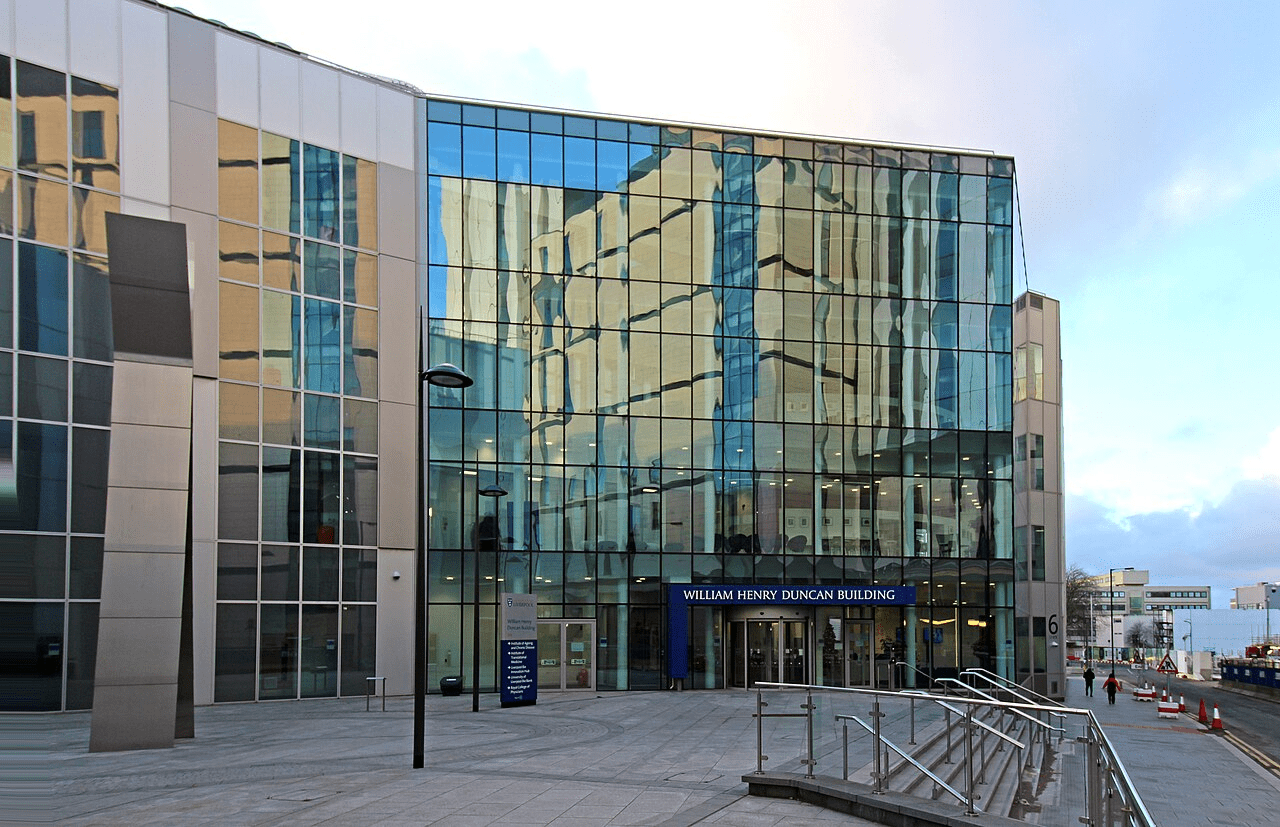
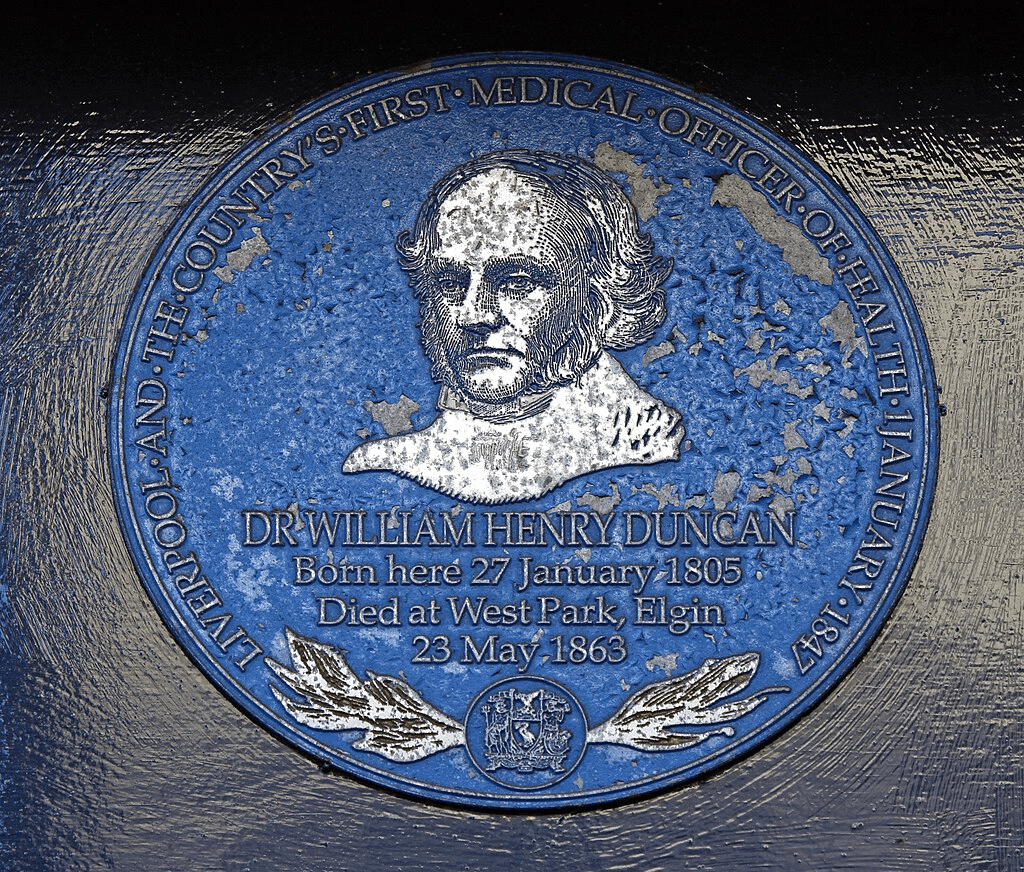
The city has not forgotten its reformer. The William Henry Duncan Building, a medical faculty building at the University of Liverpool, is named in his honour. Duncan’s experience shows that change is possible even in the most difficult conditions if politicians are genuinely concerned with medical issues.