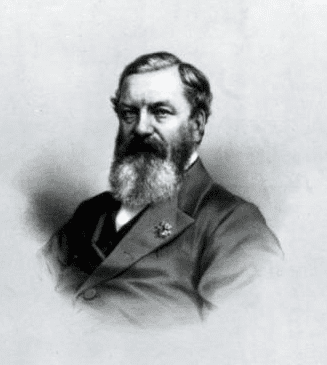

In the mid-19th century, Liverpool was suffocating from foul odours. The city was growing – rapidly, chaotically, dangerously. There was no proper sewage system, infant mortality rates were soaring, and the average life expectancy barely reached 19 years. It was then that James Newlands, an engineer, stepped onto the scene, destined to design the pipes that would literally change the course of the city’s history. Read on at iliverpool.info to discover how his ambition and blueprints became the foundation of the world’s first urban sewage systems, and his name synonymous with engineering foresight.
Architect, Artist, Engineer: Who Was James Newlands?
He was born in Edinburgh, Scotland, in 1813 – an era when steam engines were just beginning to transform cities into smoky giants. James Newlands grew up in a world where engineering wasn’t yet a heroic profession, but he was the one who made it so. Our protagonist was educated at the Royal High School and the University of Edinburgh, where he studied natural philosophy and mathematics. These disciplines were then considered almost philosophical – and this was evident in Newlands’ way of thinking.
James’s first steps in his profession were not technical, but aesthetic: he trained under architect Thomas Brown and taught anatomy and perspective at the Liverpool School of Art. Yes, the man who would later design sewage tunnels began by teaching art. This synergy of form and function would later become his signature style.
In 1847, Newlands was appointed the first Borough Engineer in Great Britain – a novel position at the time, combining the roles of urban planner, infrastructure architect, and public works inspector. The city of Liverpool essentially bet on engineering as a means to combat urban chaos – and it paid off.
Newlands wasn’t a typical bureaucrat in a suit. He walked the streets, sketched, measured, and talked to residents. His diaries contain dozens of entries about water levels, soil gradients, and air humidity. His approach was scientific, yet it never lost its humanity. It was this attention to detail, combined with forward-thinking vision, that made him a true reformer.
The System That Saved a City: Newlands’ Sewerage Reform
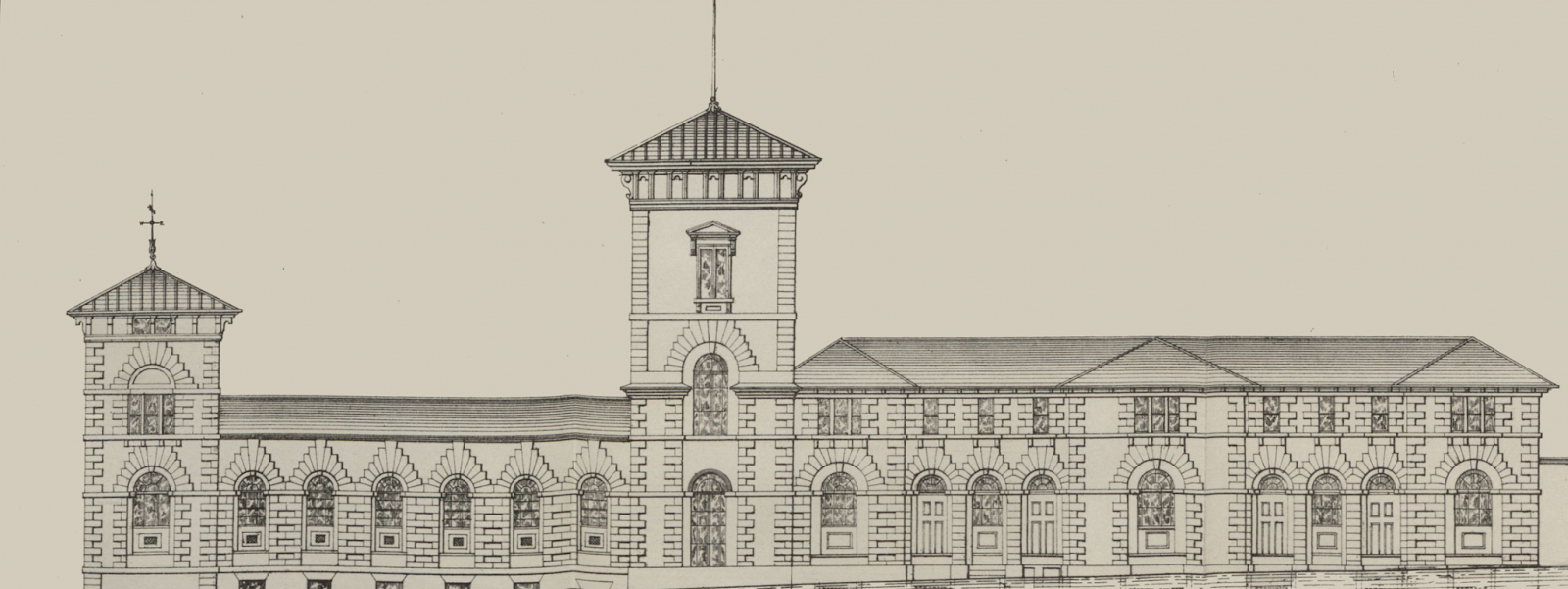
In the mid-19th century, Liverpool was literally drowning in its own waste. Sewage flowed directly through the streets or into courtyards, drains led into wells, and children played near cesspits. Cholera, dysentery, tuberculosis – all were rampant. Mortality rates among working-class families reached appalling levels. So, when James Newlands became the city engineer in 1847, he set himself not a construction goal, but a civilisational one: to cleanse the city from within.
James began by collecting data himself: over several months, he and his team conducted more than three thousand geodesic observations to create an extremely accurate topographical plan of Liverpool at a scale of one inch to twenty feet. This was the foundation of future engineering, much like anatomical knowledge for a surgeon.
In 1848, the Scot presented the world’s first project for an integrated sewage system that covered the entire city – taking into account the terrain, soils, and building density. His approach was revolutionary: this system, as he himself said, “worked with the landscape.” By 1859, 86 miles of new sewers had been laid, and by 1869, over 144 kilometres. Alongside the sewage system, roads, drainage, and even building regulations were modernised.
The results were not long in coming. If, before the project began, the average life expectancy in the city was only 19 years, within a few decades it had more than doubled. Infant mortality rates significantly decreased, and outbreaks of infections became rare. Newlands provided the urban organism with immunity.
When we talk about “life-changing infrastructure” today, we sometimes forget that this isn’t necessarily an exaggeration. In 19th-century Liverpool, it was the plain truth.
Newlands’ Invention in Europe
Newlands’ engineering work did not remain a local project. His sewerage system became a precedent for the entire United Kingdom, and subsequently for continental Europe. As early as 1848, inspired by Liverpool’s experience, Parliament passed the Public Health Act, which laid the legal foundations for municipal reforms in dozens of cities.
Newlands’ team included Dr. William Henry Duncan and housing inspector Thomas Fresh. Together, they formed what historians call Britain’s first public health team. This interdisciplinary approach – where architecture, medicine, and social policy worked as one – was also a breakthrough for its time.
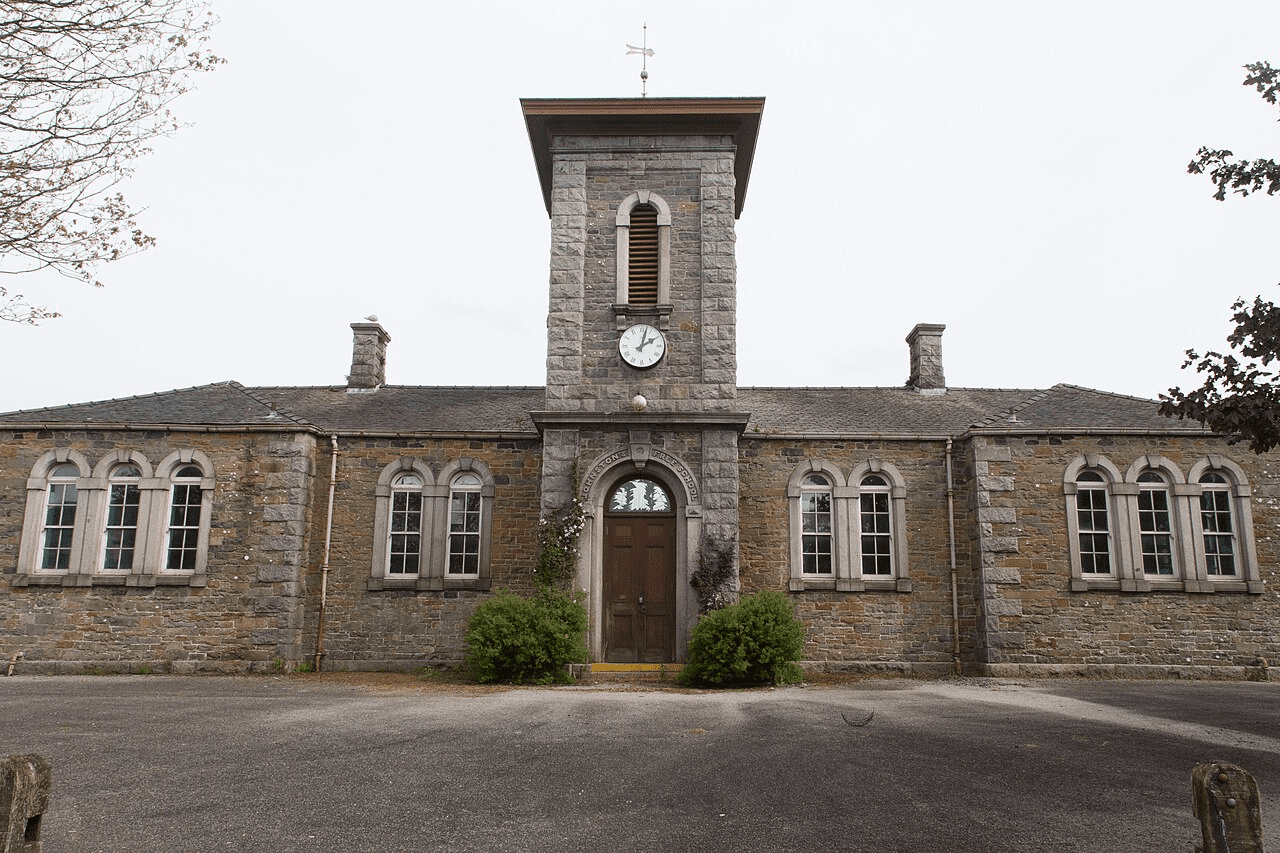
Newlands was noticed beyond the city too. During the Crimean War, the British government invited James as a consultant on sanitation issues. His systematic view of hygiene received praise even from Florence Nightingale, who called Liverpool “the source of sanitary salvation.” These were not empty words: Newlands was one of the first to demonstrate that public health begins not with doctors, but with sanitation and hygiene, provided by engineering solutions.
James Newlands died in 1871, just a few weeks short of his 58th birthday. Today, his name is rarely heard outside of professional circles. But every time you flush the toilet or walk down a clean street after a downpour, remember that once it was impossible. And that one Scottish innovator did everything to make it the norm in Liverpool, just like eco-developments.