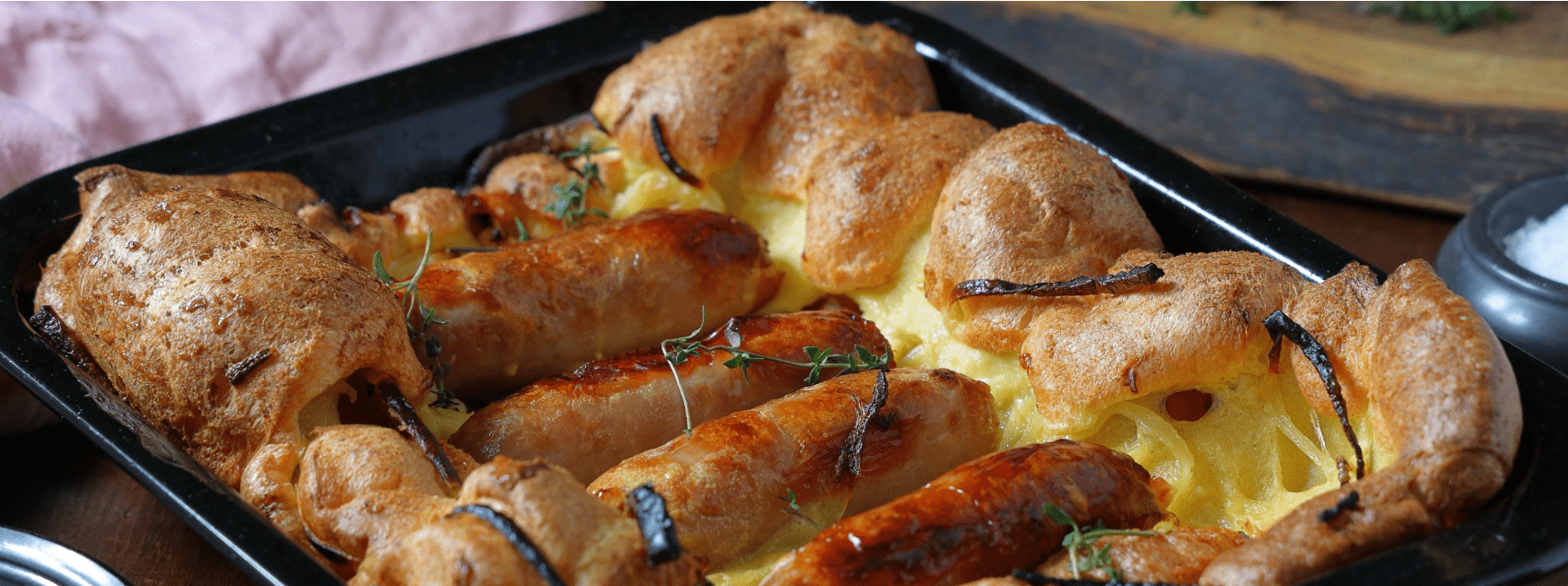

In Liverpool, kitchen aromas have their own accent – slightly salty, warm, and stubborn, much like the city’s residents themselves. Here, food is a conversation with the past: with sailors who boiled stews on deck, with grandmothers who knew a hundred ways to feed a family from nothing, and with fishermen who generously shared their catch. Traditional Liverpudlian food was born in the working-class districts and has settled deep in the heart of the city. In this article on iliverpool.info, we explore the main local dish, Scouse, as well as the desserts, soups, and snacks that taste like local culture.
Scouse – The Heart of Liverpool Cuisine
Scouse is a dish with character that has been cooked for generations in Liverpool, debated in pubs, and prepared according to old family recipes. The name has become so rooted in the city’s culture that it is even used to refer to Liverpudlians themselves – Scousers. In every neighbourhood, you can hear a different story about how this rich stew is cooked and what it’s served with.
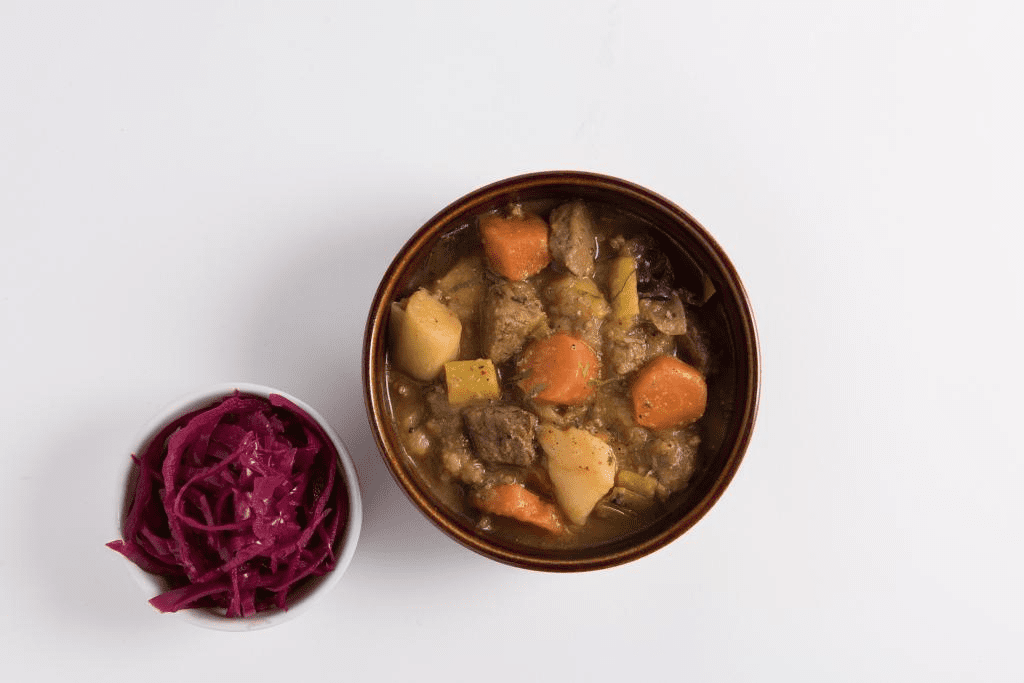
The dish has become a true gastronomic symbol of Liverpool. It appears in local guidebooks, food tours, and family celebrations. Scouse is part of the shared memory of the city’s residents, an echo of its port history.
How Scouse Was Born: Maritime Roots and Urban Adaptations
The word “scouse” comes from “lobscouse” – a thick broth or stew traditionally made by sailors in Northern Europe. This simple, hearty dish was most popular among Norwegians, Germans, and Baltic residents. It was ideal for long voyages because it was made from durable ingredients and kept well.
When Liverpool became a key port of the Empire in the 18th and 19th centuries, recipes arrived in the city along with the goods. Locals quickly adapted the foreign sailors’ meal to their own products, and thus their own version – Scouse – emerged. It took hold due to its nutritional value and affordability: the dish allowed a large family to be fed using simple ingredients.
What is a Scouser? The Food That Became Part of Identity
Liverpudlians have so identified with Scouse that they earned the nickname “Scousers.” This term encompasses more than just gastronomic preferences – it includes the local dialect, temperament, and even lifestyle. Residents perceive the word as a designation of their unique culture.
Every year, Liverpool celebrates Global Scouse Day – a day when restaurants include the dish in their menus, and residents cook it at home, at work, and even in hospitals. For many, Scouse is a memory of childhood, family dinners, and community solidarity. Family recipes are preserved in Liverpool museums as part of the region’s intangible heritage.
What is the Secret of True Scouse?
Classic Scouse is cooked with beef or lamb (sometimes mixed), a large amount of potatoes, carrots, and onions. All this is stewed for several hours until the vegetables almost disintegrate and the meat becomes tender. This cooking method gives the dish a deep flavour and aroma.
Each family has its own preferred variation: some add parsnips, others – peas or garlic, and some even red wine for a richer taste. There is also a meatless version – “blind scouse” – for times when meat was scarce or avoided for economy. The dish is traditionally served with pickled beetroot or red cabbage, along with a slice of bread for soaking up the thick, rich gravy.
What Else is Eaten in Liverpool: Other Regional Dishes
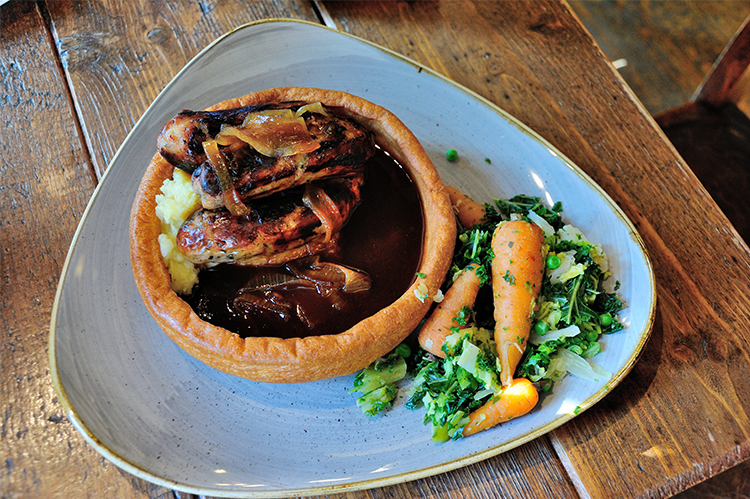
Although Scouse is the undeniable classic, traditional Liverpool food is not limited to it. In a city with a rich history and diverse population, several local dishes have formed, becoming inseparable from the gastronomic culture. These include ancient desserts and adapted snacks that reflect the multicultural nature of port-city Liverpool.
This section provides an overview of the most interesting representatives of Liverpool cuisine: from lemon tart with deep roots to crispy potatoes with Asian spices. These dishes help to show how the city’s traditional food changed along with it.
Liverpool Tart – A Forgotten Lemon Dessert
Liverpool Tart is a traditional baked good with over a century of history. It is made from shortcrust pastry with a filling of cooked lemons, eggs, butter, and sugar. The unusual feature is the use of whole lemons – the peel is ground together with the pulp, giving the filling a bright flavour with a slight bitterness.
The first mentions of the tart date back to the late 19th century. Despite its authenticity, it gradually disappeared from the city’s bakeries and is now considered an almost lost recipe. Small initiatives to restore the dish’s popularity continue, and some cafés occasionally recreate the tart with the decorative silhouette of the Liver Bird – the symbol of Liverpool.
Wet Nelly – The Moist Classic of Post-War Cuisine
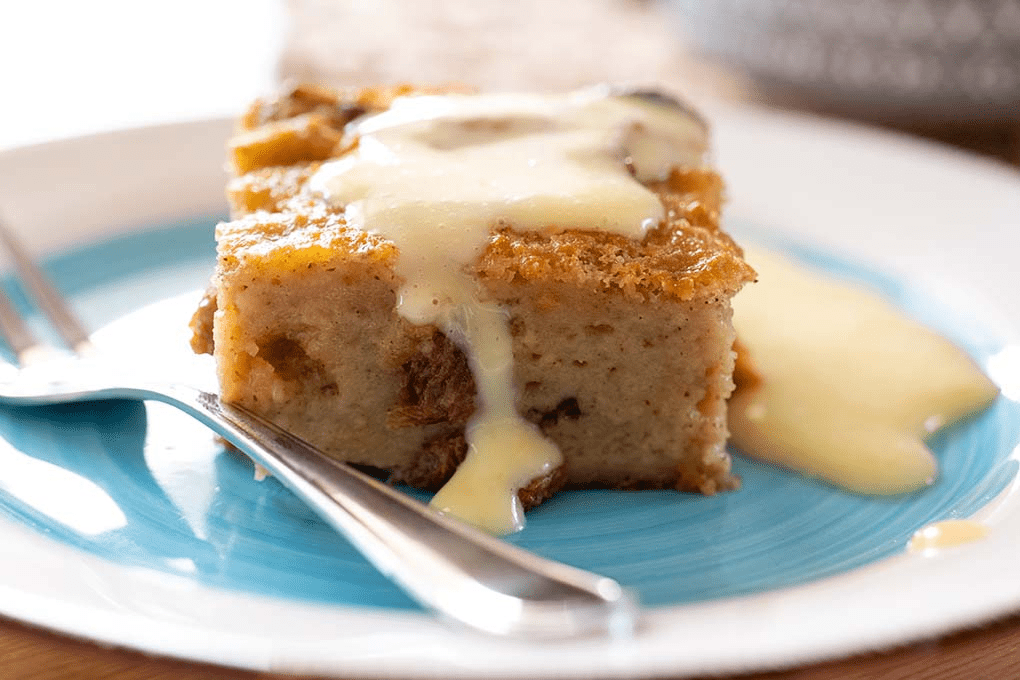
Wet Nelly – the name sounds almost like a joke, but for Liverpudlians, it is genuine nostalgia. The dish originates from the post-war period when food was limited, and waste was unacceptable. It was made from stale bread, dried fruit, eggs, spices, and sugar – everything was mixed, soaked, and baked.
The result was a sweet, moist pudding, hearty and quite budget-friendly. Its taste and texture are somewhat reminiscent of fruit loaf or traditional British bread pudding. Today, Wet Nelly is not often found in cafés but remains in memory as a dish from times when Liverpudlians were poorer but more inventive. But there is hope that it will not vanish, like some buildings after the bombings in the Second World War.
Pea Wack – Traditional Food for Winter Evenings
This pea soup with deep roots in Liverpool’s working-class areas got its name from local slang: “wack” is an address like “mate” or “pal.” So Pea Wack is “soup for mates.”
It is made from split peas, carrots, potatoes, and onions, sometimes with added beef bones or bacon. It is especially popular in the cold season – as a dish that warms and provides a lasting feeling of fullness. The soup still appears in home menus, although it is difficult to find in restaurants.
Salt & Pepper Chips – Liverpool Food with a Chinese Accent
This popular fast food emerged thanks to the Chinese-British restaurants that have been numerous in Liverpool since the 1960s. The dish consists of deep-fried chips mixed with pepper, garlic, onions, and sometimes chilli. Everything is cooked in a Chinese wok, so the flavour is rich, with a crispy crust and the aroma of spices.
Salt & Pepper Chips is a vivid example of how Liverpudlian food is influenced by foreign cultures, yet creates something unique. The city believes that this is where the dish originated before spreading to other regions.
Savoury Pattie – Fried Nostalgia of the Port Districts
The savoury potato patty – that’s what it is usually called. The patty is fried from mashed potatoes, with dried herbs added, usually in breadcrumbs or batter. It is popular in all port cities of Northern England, but in Liverpool, it is especially often served in fish-and-chip shops – as an alternative to fish.
This dish is easy to prepare from readily available ingredients, so it was a favourite among workers who needed a quick, nutritious lunch. Today, such patties are sometimes called “food from childhood,” especially by those who grew up in the city’s more modest areas.
Liverpudlian Eating Habits
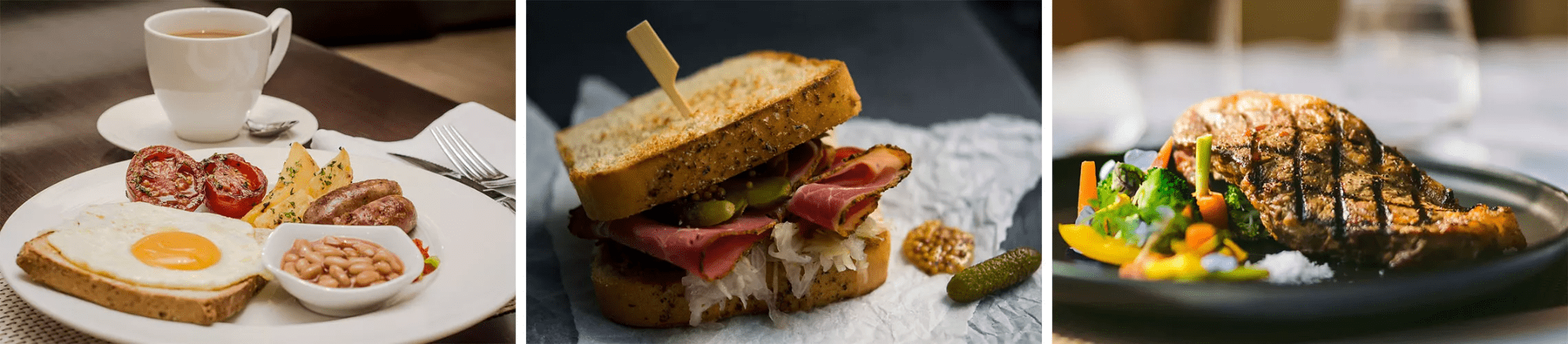
In Liverpool, as in the rest of the UK, breakfast is an important start to the day. Many people opt for a “full English breakfast” – a combination of eggs, bacon, sausages, beans, and mushrooms. However, on weekdays, they are more often limited to toast, porridge, or yogurt – something fast to get to work or study.
Lunch is usually light – sandwiches, soup, or a takeaway dish (such as fish and chips or a quick stew). The main meal is in the evening (between 6:00 PM and 8:00 PM). Something more substantial is prepared: meat with vegetables, soup, or international options, especially Asian ones, like Indian. Additionally, in British – and particularly Liverpudlian – culture, tea time or elevenses is important: a break with tea or coffee in the middle of the morning or after lunch with small snacks.