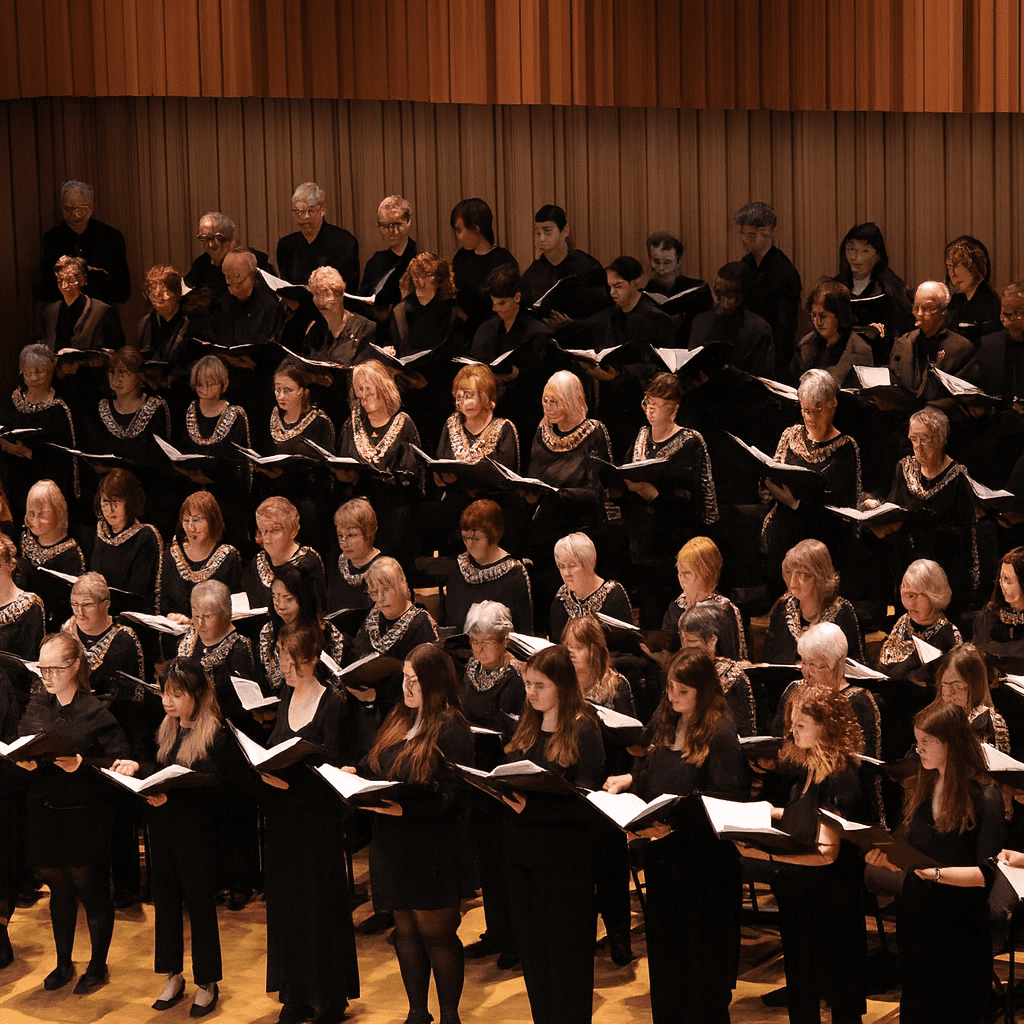

At the crossroads of two nations’ cultures – England and Wales – a choir was born that has maintained its identity for over a century. The Liverpool Welsh Choral Union is more than just a musical group. It is a living archive of Welsh culture within an English city, a meeting place for tradition and modernity, and an example of how choral music shapes communities. Why has this organisation survived until today? And what role does it play in Liverpool’s cultural life? Let’s find out together – on iliverpool.info.
How It All Began: The History of the Liverpool Welsh Choral Union
The late 19th century. Liverpool is buzzing – a port city where cultures, languages, and dreams collide. It was here, amongst the docks and the red brick of Liverpool’s original church architecture, that the Welsh community decided it was time to sing not just in places of worship. In 1900, the city hosted the Eisteddfod – the traditional Welsh festival of language and music. This festival became the catalyst for establishing the Liverpool Welsh Choral Union. Since then, the choir has become part of the city’s cultural DNA.
Why was this important? Because for many Welsh people who had moved to Liverpool in search of work, the choir became something akin to an extended family. Here they could hear their native tongue and maintain a connection to their homeland. Welsh culture boasts a powerful singing tradition, so the choir was a natural continuation of this – albeit in an English context.
In the early decades, the choir was led by conductors who acted as cultural ambassadors. The programme featured both church hymns and secular compositions. Yet, the essence remained: singing helped preserve the memory of the people, the land, and the language.
Furthermore, this is a story of survival. Generations changed, new genres emerged, music became louder and shorter, yet the choir endured. It didn’t stubbornly cling to the past; rather, it gently carried it forward, intertwining it with new meanings.
The City and the Song: How Liverpool Shapes the Singing Community
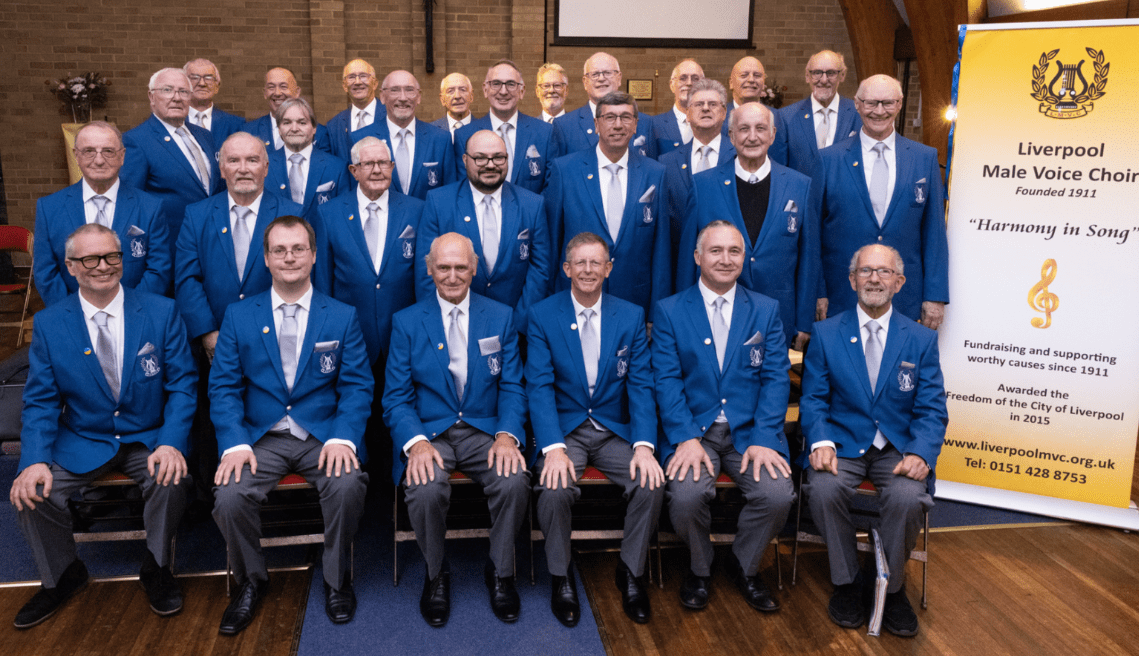
Liverpool is a city with character. Its sounds include not only ships’ horns and the roar of football stands but also the polyphony of choral ensembles. The city has always had a special part in it – and the Liverpool Welsh Choral Union holds a prominent place. It seems to have been built into the city’s cultural life, much like a cathedral into the city skyline.
Over the decades, the Union has performed in Liverpool’s most important venues: from the Philharmonic Hall to the Metropolitan Cathedral. Taking part in the Cathedral’s opening in 1967 was a symbolic gesture – the Welsh voice helped consecrate the city’s new spiritual home. The choir has returned there again and again: for anniversaries, charity evenings, and festive masses.
Interestingly, far from all members have Welsh roots; according to the Union itself, only about a third have a family connection to Wales. The rest join for the music, the community, and the experience. This makes the choir a true microcosm of Liverpool: a city where histories converge and traditions flourish in new forms.
The choir isn’t isolated, either. It actively collaborates with other ensembles, participates in major musical events, and isn’t afraid of complex scores or serious stages. In this sense, the Liverpool Welsh Choral Union is an active part of the city’s cultural pulse.
A Unifying Repertoire: From Welsh Hymns to Classical Masterpieces
It’s easy to imagine a Welsh choir singing ancient hymns in a language few speak outside of Wales. But the Liverpool Welsh Choral Union is not just about narrow ethnicity. Its repertoire is like the polyphony of the community itself: blending Welsh tradition, European classical music, and something entirely contemporary.
Yes, Welsh songs often feature in the programme – and even those who don’t understand the language learn the lyrics phonetically, out of respect for the culture. This is a unique practice: singing in Welsh without fluency. And it unites the members around listening, learning, and breathing together.
Yet, the choir also performs serious works by Handel, Mozart, Orff, and Verdi. One concert might feature a solemn church chorale, and another, a poignant contemporary cantata. The repertoire is chosen to maintain a balance: tradition, performance capability, and audience interest. The selection is handled by the Union’s leadership and the conductor, but choristers often propose ideas themselves.
Crucially, the choir doesn’t try to ‘youthify’ itself for the sake of trends. Its strength lies in its sincerity. Pieces are chosen to resonate with the audience.
Tradition with a Human Face: The Present and Future of the Liverpool Welsh Choral Union
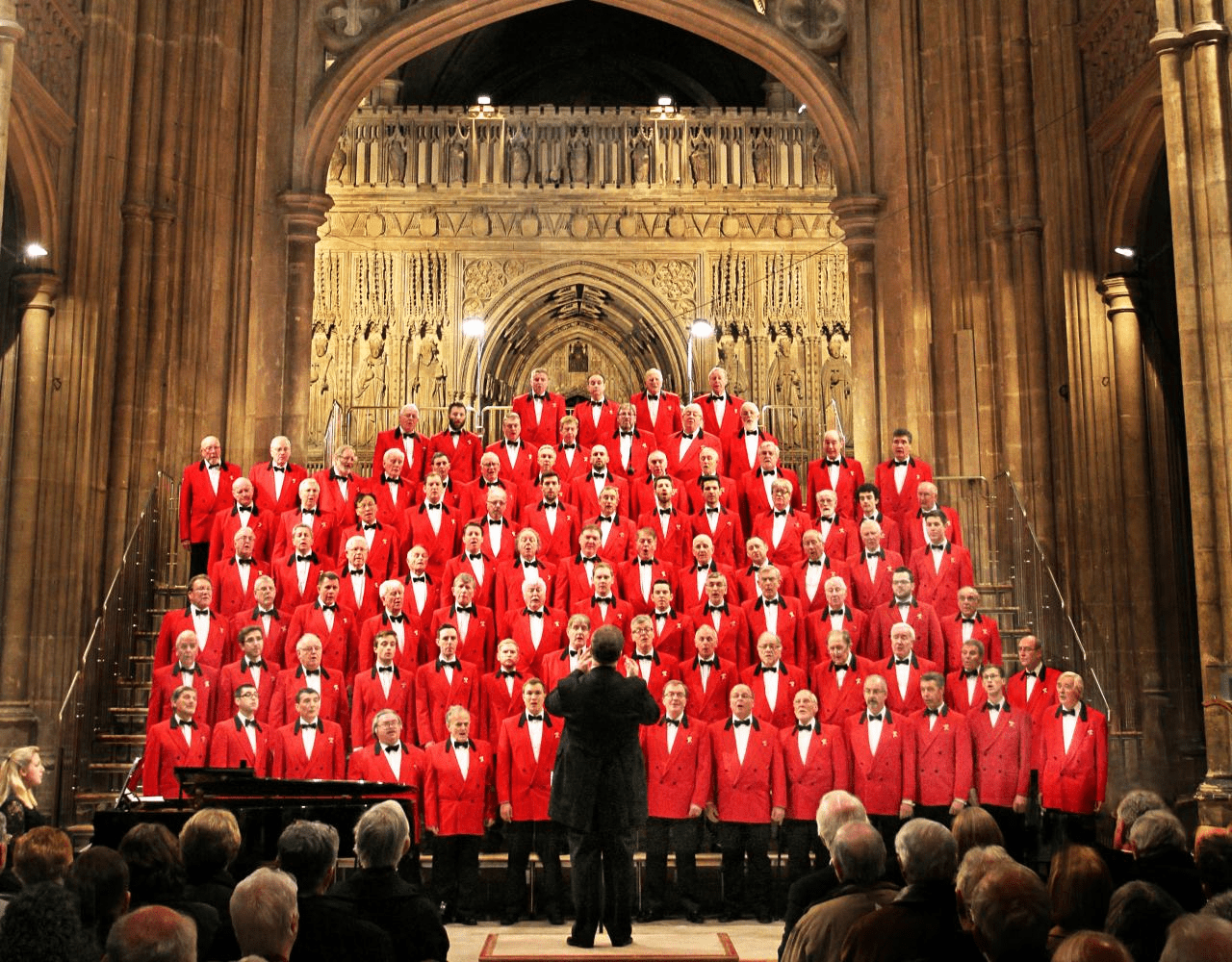
In our time, it’s easy to view a choir as something archival – beautiful, but outdated. The Liverpool Welsh Choral Union proves the opposite. It is a community living in motion: rehearsing weekly, performing, and participating in charitable initiatives.
The repertoire includes traditional concerts, Easter and Christmas programmes, as well as special performances dedicated to city events or important dates. Choristers participate in fundraising efforts to support hospitals, cancer foundations, and local initiatives. This isn’t for publicity, but for the development of culture and art.
But, of course, it’s not all simple. Like most choral ensembles in Europe, the Union faces certain challenges:
- How to attract young people?
- Where to find funding?
- How to hold attention in the age of YouTube and TikTok?
Nevertheless, they are not panicking. On the contrary – they are open to new members, experiments, and dialogue with the city. Their recipe is to stay true to themselves while being sensitive to the times.
Ultimately, the Union’s future is a continuation of its main message: to preserve culture not through strict adherence, but through lively communication, open performance, and constant participation in city life. Because a choir is people breathing together. And that kind of unity never goes out of style.