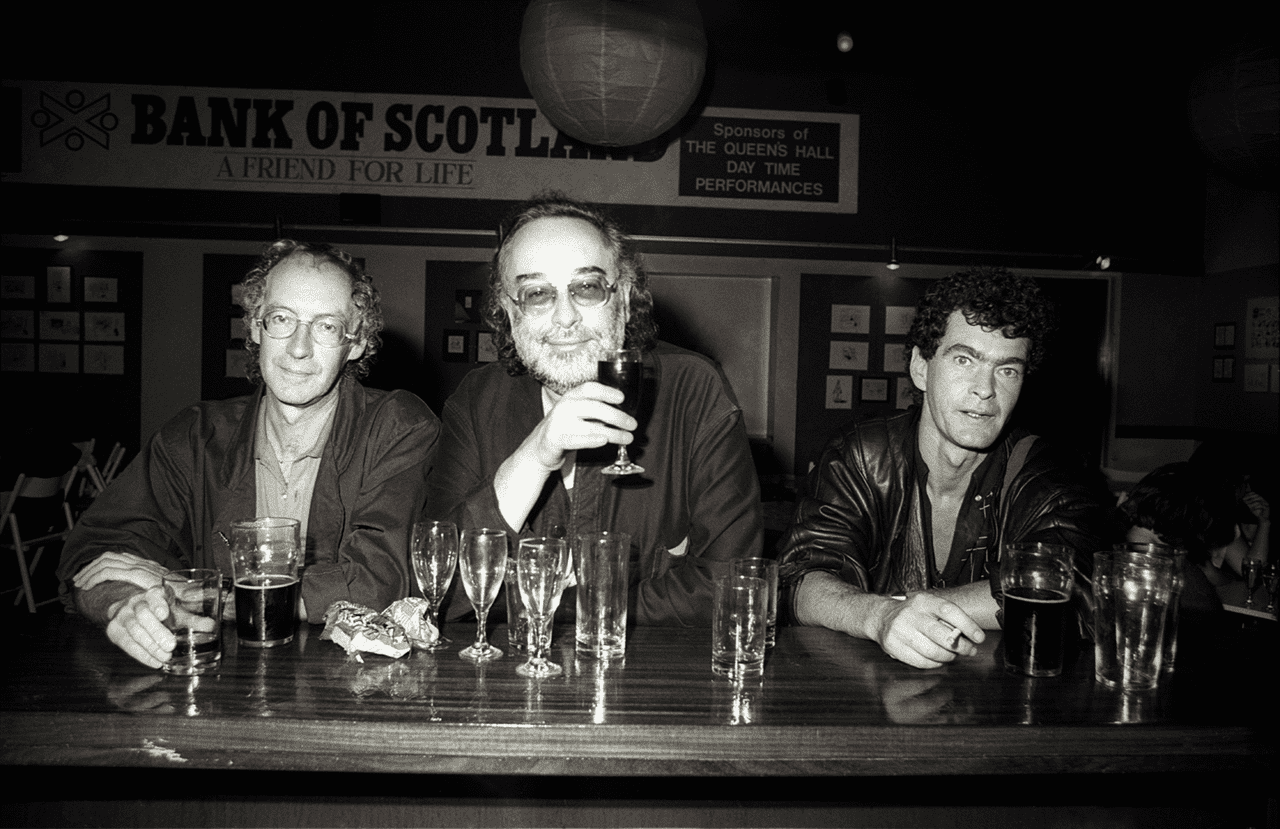

With its port location and unique history and culture, Liverpool creates an incredibly fertile environment for artists of all kinds, especially writers. Some of the world’s most famous British authors were born in Merseyside or spent a significant amount of time in the region. There’s no doubt that the city and their experiences here had a profound impact on the books they wrote and on their creative process itself. On iliverpool.info, let’s discuss some of the authors born in our city and explore aspects of their lives and work.
Prose Writers
Liverpool is the hometown of a whole host of distinguished authors that anyone who considers themselves well-read should know. Here are a few examples.
Beryl Bainbridge
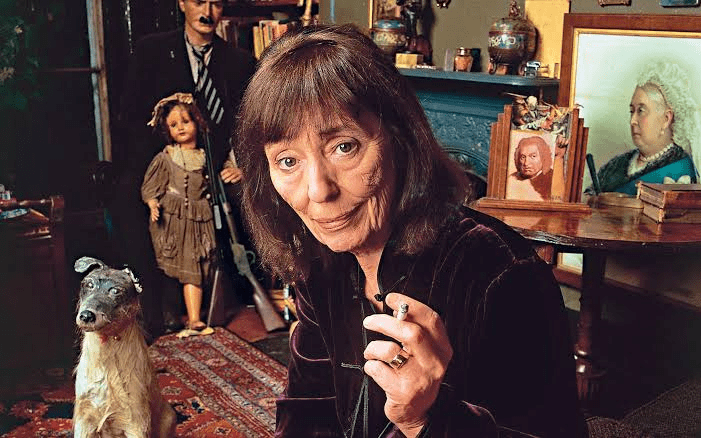
Beryl Bainbridge was born in Liverpool in 1934, during the interwar period. At that time, the city’s economy was in a noticeable decline, and poverty was widespread. In her works, she often depicted the working class—characters familiar to her from her Liverpool childhood. Her stories are often macabre, and her preferred genre was psychological fiction. In her writing, she combined humour with tragic and absurd moments. Beryl passed away in 2010, having become a national treasure. Among the books for which Bainbridge received awards are Every Man for Himself, The Girl in the Polka Dot Dress, and The Bottle Factory Outing.
Clive Barker
Clive Barker is best known for his books in the horror and fantasy genres. This writer was also deeply impressed by his childhood spent in Liverpool. Some events were tragic, such as the death of a French parachutist, which Clive witnessed at an airshow at the age of three. Subsequently, this death (or allusions to it) frequently appears in Barker’s works. One of the author’s most acclaimed works is Weaveworld (1987), which is set in a fantastical version of Liverpool. Several characters possess magical abilities, and the unique urban environment helps to shape the plot and the characters’ interactions.
Lyn Andrews
Lyn Andrews was born in Liverpool in 1943. She began her writing career when her children started school, giving her some free time. This remarkable woman wrote 34 successful sagas and one historical novel. Her works most often feature Liverpool-based plots, making them perfect for those who want to explore the city’s history. She also masterfully explores themes of relationships, love, and family values. Among her most famous stories are Liverpool With Love and The House on Lonely Street.
Paul Du Noyer and Others
Paul Du Noyer was also born in Liverpool but began his writing career after moving to London at 18. He was a music journalist, writing mostly about rock, but he also authored excellent non-fiction books related to music. Those interested in the topic should read his account of the stories behind the songs of John Lennon, as well as books such as:
- In the City: A Celebration of London Music
- Liverpool: Wondrous Place
- Conversations with McCartney
Among other Merseysider writers, it is worth mentioning several screenwriters first and foremost:
- Jeff Young
- Levi Tafari
- Carla Lane
- Alan Bleasdale
- Frank Cottrell Boyce
- Kevin Sampson
Poets
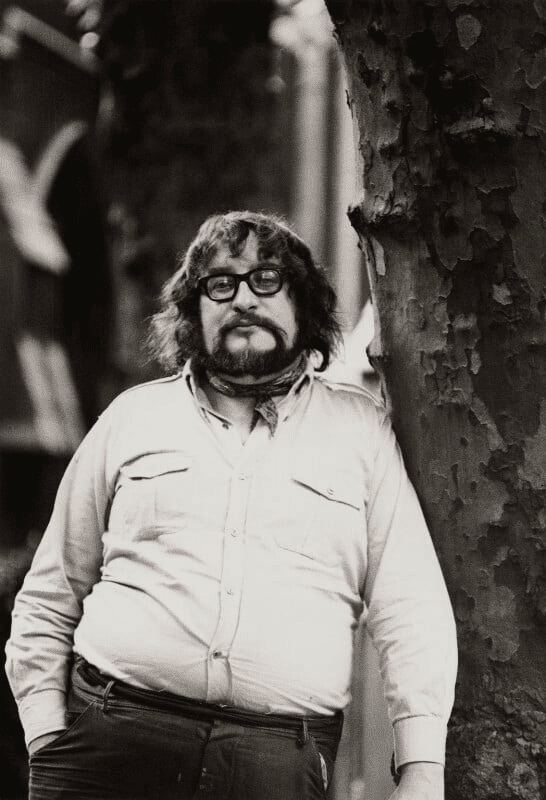
Liverpool has also inspired some people to become poets. Although, as one author said,
“in Liverpool you’re a poet for a minute, and the next you’re talking about football, or buying bus tickets, or someone’s hitting you over the head outside a pub.”
Some famous local poets began their careers with readings in the city’s clubs and cafes in the 1960s. The greatest recognition came to them after being published in respected journals and anthologies. Among them, the most important figures are Adrian Henri, Roger McGough, and Brian Patten. They were active participants in Liverpool’s cultural scene in the 1960s and helped bring a new type of poetry to the general public.
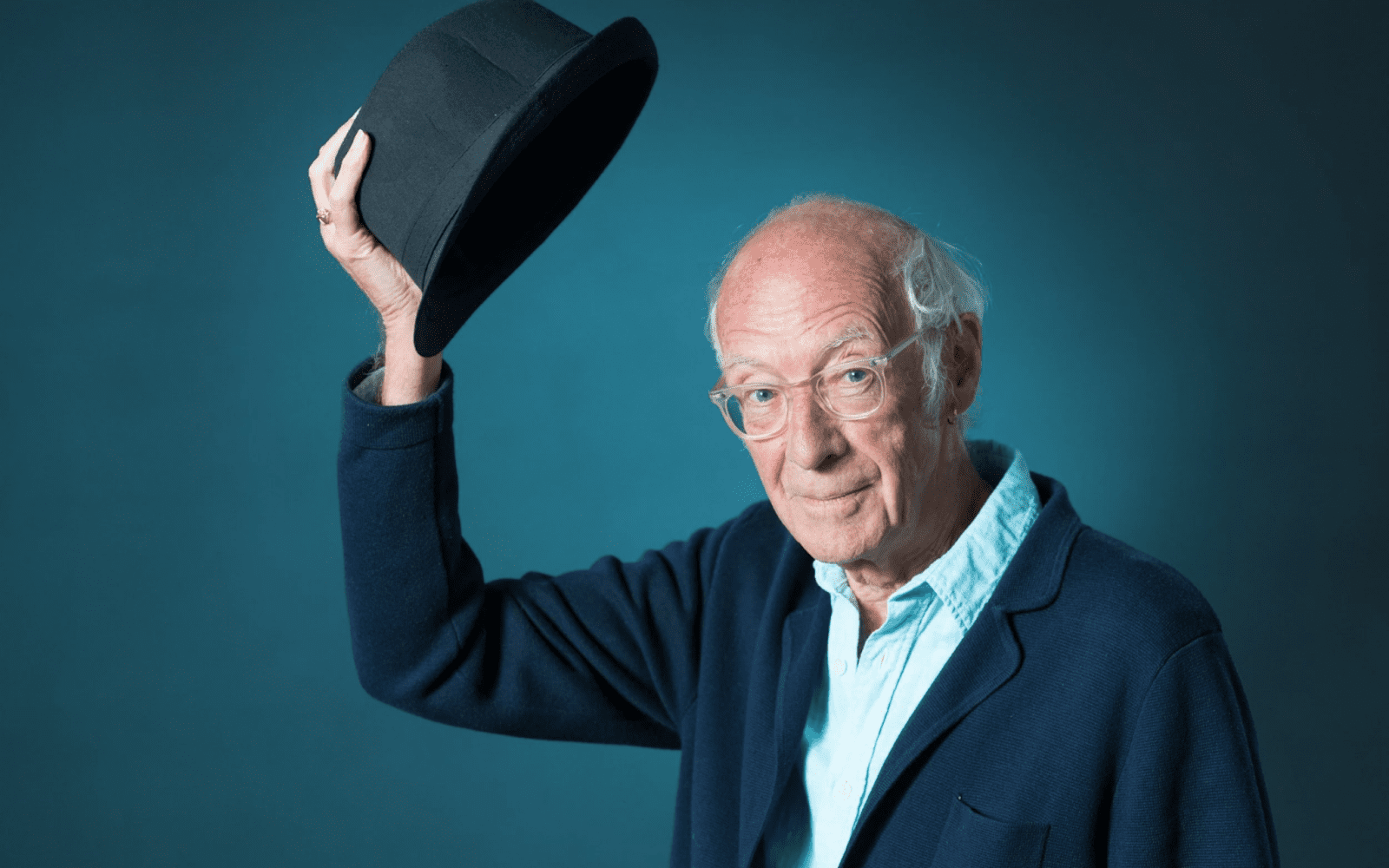
Interestingly, 20th-century Liverpool poets tended to come from the working class, rather than the elite, as had previously been the case in England. These artists staged their performances to instil a love of poetry in ordinary Liverpudlians, choosing the stages of pubs and clubs over libraries or traditional concert halls.
Some of these creators even recorded recitations of their poems on vinyl records. The style and subject matter of their works were quite unconventional, and a key feature was the use of regional dialect or specific accents. The topics the poets touched upon were diverse: politics, social events, and everyday phenomena. Irony and sarcasm were among their popular methods of artistic expression. The audience, especially the young, saw it as entertainment rather than the boring classical poetry taught in school.
It was “pop poetry”, but this fact should not be considered purely negative. In this way, a unique democratisation of art took place. Liverpool was free from the influence of London, so the poems were often composed with a deliberately unpolished style. These artists were not concerned with the opinions of metropolitan critics regarding their technique.
Undoubtedly, the darling of the public was Henri, who lived a full life from 1932 to 2000 and was born in Birkenhead. If you are looking for a book to read samples of his poems, choose the groundbreaking anthology The Mersey Sound, which sold over half a million copies. The work of Berlie Doherty, about whom we have written before, also deserves attention.