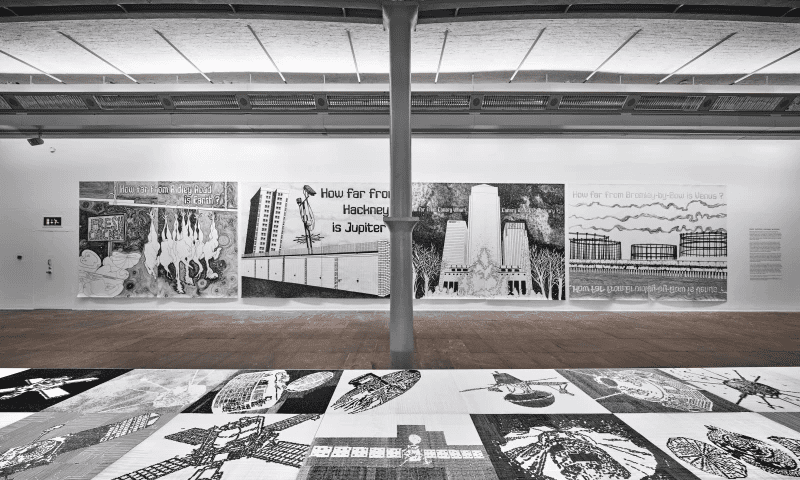

Should art only live in the capital? This question marked the beginning of the history of Tate Liverpool – a gallery that influenced the culture of the British North for decades. The historic building in the Albert Dock welcomed hundreds of thousands of visitors a year to exhibitions that shaped artistic tastes. And suddenly, silence fell there. In 2023, the gallery closed for a massive renovation. What has changed, what is the planned return date, and why is Tate taking this pause? We tell the story on iliverpool.info.
How Liverpool Became an Art Centre Thanks to Tate
In the early 1980s, Liverpool had a reputation as a city that had lost its industrial power but had not found a new identity. Former warehouses in the docks stood empty, and tourism seemed a distant reality. It was then that Tate Liverpool appeared on the map – a branch of the famous London network of galleries, aiming to change the perception of modern art in Northern England.
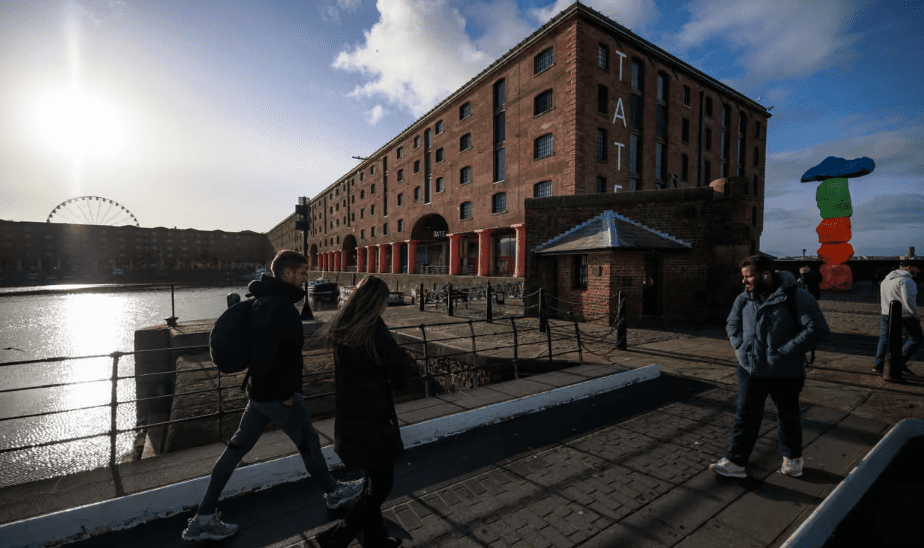
The gallery opened in 1988 in a warehouse building in the Albert Dock – a place that previously symbolised economic decline, but later became the heart of the city’s cultural renewal. Thanks to Tate, Liverpool entered the conversation about British contemporary art and took a place of honour on the international art scene.
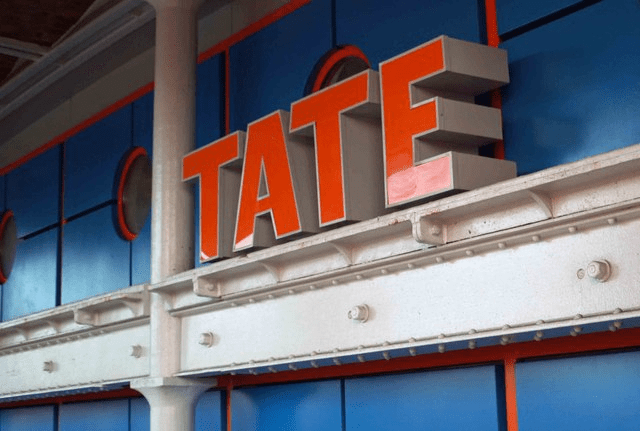
The main idea of the project was simple yet bold: modern art shouldn’t just be for London. The gallery immediately positioned itself as a place of dialogue between the major centre and the regions, where contemporary art meets a wider public. Exhibitions featured names from Monet to Hirst, as well as local artists who had previously been overlooked by large institutions.
Tate Liverpool changed the perception of the city – from a port that had lost its function, Liverpool became a recognised cultural hub. It was a driver of urban transformations, which later led to its status as European Capital of Culture in 2008, and subsequently to hosting Eurovision 2023.
Relaunch: What Happened and Why the Gallery Closed
In October 2023, Tate Liverpool temporarily ceased operations. The reason was a large-scale renovation, announced in advance as **the most ambitious refurbishment in the gallery’s history**. The plans are to transform the space into one that is more flexible, open to experimentation, technically modern, and sustainable in the long term.
The renovation project is being implemented by the architectural studio 6a architects. Key changes include creating new exhibition halls, opening up historical façades, increasing the amount of natural light, and improving internal navigation. Special attention is being paid to energy efficiency – the refurbishment is intended to reduce the gallery’s carbon footprint and eliminate dependence on fossil fuels.
The reopening after renovation was originally planned for 2025, but financial difficulties arose during implementation. Because of this, the project had to be reviewed, and the opening date was postponed to spring 2027.
The total cost of the refurbishment is approximately £30 million. Part of the funding was provided by the UK government (£12 million), as well as charitable foundations and patrons. In February 2025, the first phase of the renovation was completed – old engineering systems were dismantled, the original brick walls were revealed, and the formation of new zones on the ground floor began.
The update is expected to allow for more large-scale exhibition projects, including installations that previously would not fit in the old halls. Separate new areas are planned for educational programmes, community engagement, and family leisure. The changes will allow the museum to host exhibitions that were previously technically inaccessible to it.
What the New Tate Will Be Like: Architecture, Light, and Functionality
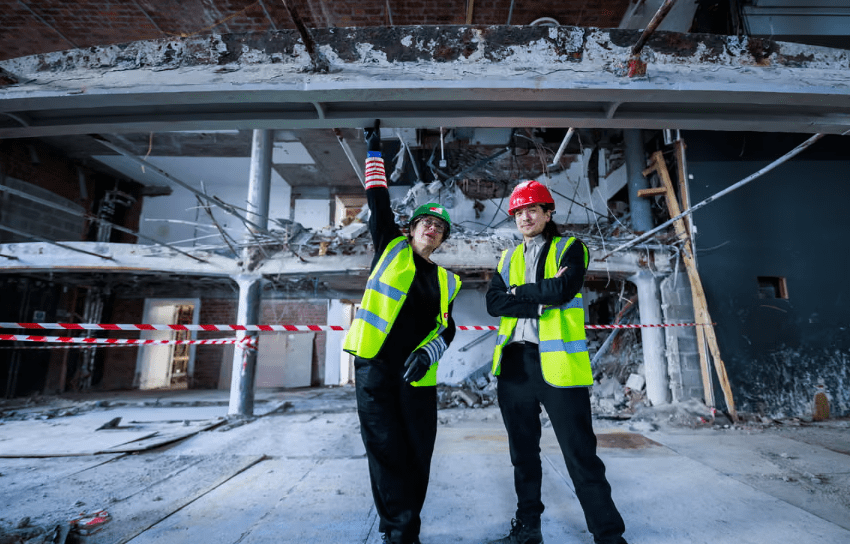
The refurbishment at Tate Liverpool is an important step. Architects from 6a architects are redesigning the logic of being in the building: more open visual connections, fewer dead walls, better views of the Albert Dock and the River Mersey. One of the key decisions is to clear the windows and remove some of the enclosed structures to restore the building’s original transparency and natural light.
Inside, the halls are being redesigned to be suitable for various formats – from classic exhibitions to contemporary multimedia projects. Instead of small corridors and labyrinths, clear navigation and open sightlines are planned, allowing visitors to orient themselves intuitively. This is important for both ordinary visitors and curators, who will be able to compose exhibitions more effectively.
Special attention is being paid to technical modernisation. Updated ventilation, lighting, and cooling meet modern museum storage requirements – this will allow the gallery to accept works with the most demanding display conditions. Separate zones for educational programmes, lectures, and children’s activities are also provided. The changes will allow the museum to host exhibitions that were previously technically inaccessible to it.
What You Can See at the Temporary Location

While the main building is undergoing renovation, the gallery has temporarily moved to the adjacent RIBA North – a modern architecture centre on Mann Island. Several exhibition halls, a children’s area, a small shop, and a café have been set up there. The format is smaller in scale than the main gallery, but it allows them to maintain an active presence in the city.
Exhibitions, curatorial talks, lectures, and family events continue to be held at the temporary location. The programme is aimed at a wide audience – with an emphasis on accessibility and engagement. For example, exhibitions combine contemporary art with local context, and children’s activities allow them to get acquainted with works through play.
Entrance to the temporary Tate is free for everyone. This is an important signal during the rebuilding period: the gallery is not disappearing but continues to operate in the city. Opening hours are daily from 10:00 AM to 5:50 PM.
In addition to exhibitions, the Tate team organises outreach programmes in schools and at local events. In this way, they maintain contact with communities, expanding the idea of what a museum can be – flexible, mobile, and present outside its own building.
The Great Return of Tate Liverpool, Postponed to 2027
Following the refurbishment in 2027, the reopening of the updated Tate Liverpool is planned to begin with a retrospective of Chila Kumari Singh Burman. She is a vibrant representative of the British art scene with Indian roots. Her style combines pop culture, neon, traditional ornaments, and personal narratives – all of which turns the exhibition into an event that is already being called one of the most anticipated in Britain.
Curators see this exhibition as a symbol of a new phase: one more open to diversity, experimentation, and voices that previously did not sound so loud in British institutions. The post-opening programme also includes a series of displays focusing on climate, technology, and post-colonial themes.
The renovated gallery will be able to host large-scale installations and international exhibitions that previously bypassed Liverpool due to technical limitations. This marks Tate’s return to its role as a flagship of the northern artistic environment – not as a branch, but as an equal centre of the network.
In the future, an increase in visitor flow and the development of new partnerships with institutions throughout the UK are expected. The gallery expects to exceed pre-renovation attendance due to the expanded programme and higher profile in the media. By the way, if you are interested in figures associated with Liverpool, be sure to read about Captain Johnnie Walker – the U-boat hunter whose story is worthy of adaptation.