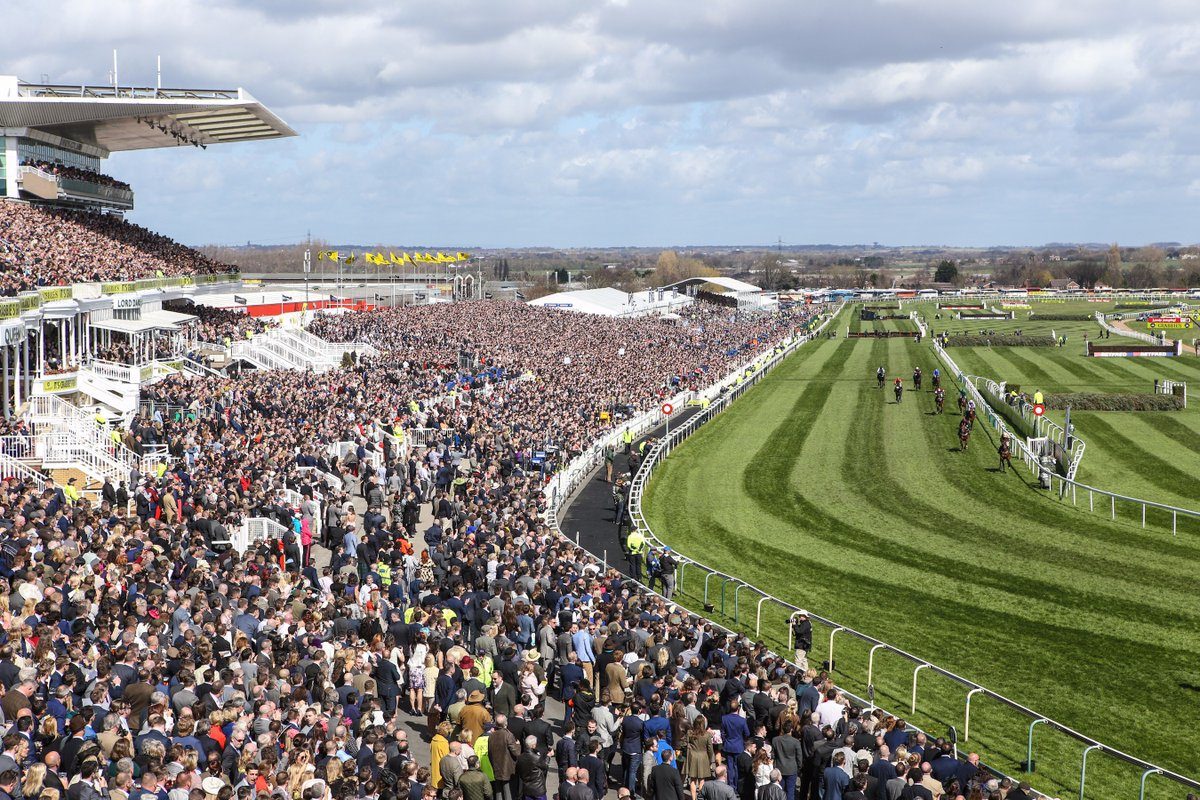

Liverpool hosts a plethora of sporting events each year, drawing in massive crowds. Among these, horse racing consistently remains a firm favourite. Today, we’re delving into the Grand National, the iconic National Hunt race held annually at Aintree Racecourse. You can find out more on the iliverpool.info website.
The Origins of the Grand National
William Lynn is credited with founding the Grand National. He established the races on leased land in Aintree, laying out the courses and constructing the stands. The first foundation stone was laid in February 1829.
Historians don’t quite agree on the exact date of the inaugural race, but it’s widely believed to have taken place sometime between 1836 and 1838.
What is clear, however, is that between 1838 and 1839, the races transitioned from a local affair to a national spectacle. Several factors contributed to this transformation. Firstly, the Great St. Albans Steeplechase, a rival event, didn’t resume after 1838. Secondly, the railway line between Manchester and Liverpool opened in 1830, and by 1839, it was connected to lines from London and Birmingham. This crucial development meant people from across the country could easily travel to Liverpool for the races. Thirdly, a committee was established to improve the event’s organisation. This boosted its profile, attracting more horses and riders, and leading to increased media coverage.
As William Lynn’s health declined, he gradually stepped back from his involvement in the races. Edward Topham, however, began to exert significant influence over the Grand National. In 1843, fences were introduced to the course. Topham leased the land until 1848, and a century later, the Topham family eventually bought the entire racecourse outright.
For three years during the First World War, Aintree Racecourse was under military control. Consequently, alternative races were held at Gatwick Racecourse instead.
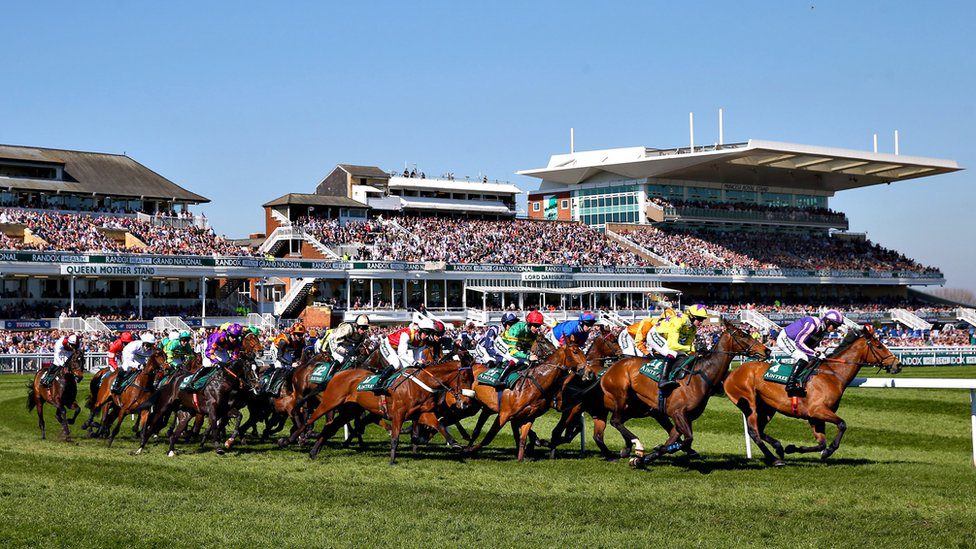
Second World War: A Halt to Horse Racing
During the Second World War, Aintree Racecourse was requisitioned for defence purposes. As a result, the Grand National couldn’t be held throughout the entire wartime period.
The Grand National made its triumphant return in 1946. Initially, the race was held on a Friday, but the following year, organisers wisely moved it to a Saturday. This simple change allowed more working people to attend and enjoy the spectacle.
In the 1970s, the racecourse was sold to property developer Bill Davies, who controversially tripled the admission fee.
The Grand National’s Enduring Legacy
It’s worth noting that the Grand National has been broadcast live on free-to-air television in the UK since 1960. From 1960 to 2012, the BBC held the broadcasting rights. The race has also been broadcast on radio since 1927.
In 2005, John Smith’s became the main sponsor of the Grand National. A year later, they launched the John Smith’s People’s Race, which allowed ten members of the public to compete in a flat race at Aintree.
In 2013, Crabbie’s was announced as the new Grand National sponsor. Three years later, it was revealed that Randox Health would replace Crabbie’s as the official partner of the Grand National Festival from 2017 onwards.
The 2020 race was cancelled due to the coronavirus pandemic. Instead, a virtual race was created using CGI technology. In the same year, Randox Health announced they would extend their sponsorship until 2026.
In 2021, Rachael Blackmore made history by becoming the first female jockey to win the race, riding Minella Times to victory.
And there you have it – the fascinating history and evolution of the Grand National. We hope you found this insight into Liverpool’s iconic race both informative and enjoyable.
Are you a fan of the races? We’d love to hear your thoughts in the comments!