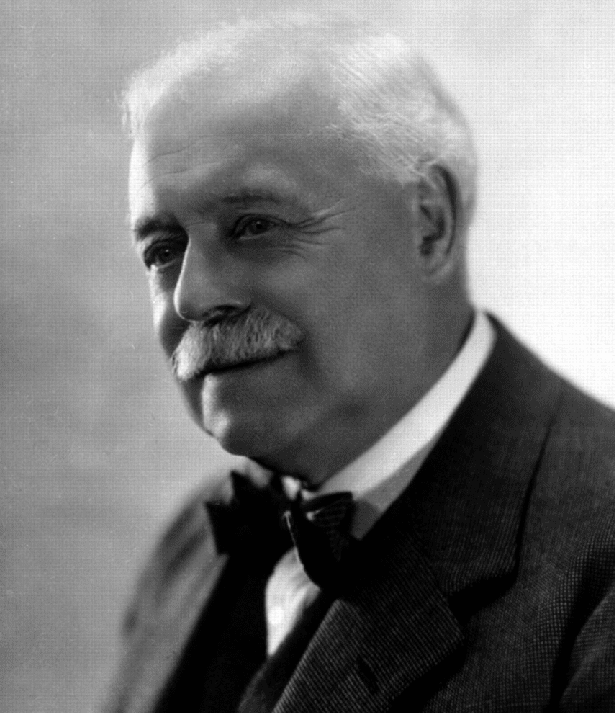

It’s hard to imagine our lives without modern medicine. We owe its many benefits to the numerous doctors and scientists of the 19th and 20th centuries. It is thanks to their persistent work and developments that we can receive treatment in modern facilities with state-of-the-art equipment. Today, we’re going to talk about Sir Robert Jones, an orthopaedic surgeon who helped to establish the modern specialty of orthopaedic surgery in Britain. He followed in the footsteps of his uncle, Hugh Owen Thomas, and began his career in Liverpool. Read more about him on the iliverpool.info website.
Robert’s Youth
The future doctor was born in Llandudno, North Wales. He later moved with his family to London, but at the age of 16, Robert relocated to Liverpool to live with his uncle, the orthopaedic surgeon Hugh Thomas. It was from his uncle that Jones learned how to treat fractures and make braces.
From 1873 to 1878, the young man studied at the Liverpool School of Medicine. Afterwards, he began working with Thomas. In 1887, he was appointed Honorary Assistant Surgeon at the Stanley Hospital in Liverpool.
It’s worth noting that during this period of their medical practice, Jones and Thomas paid great attention to the treatment of fractures, while many of their colleagues focused their efforts on correcting deformities in children.
The World’s First Comprehensive Accident Service
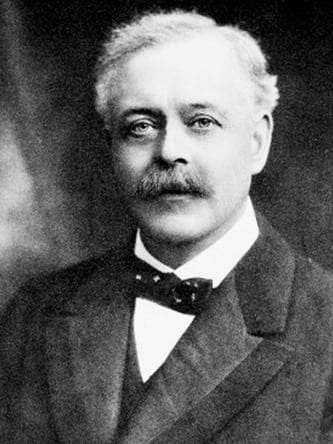
In 1888, Jones was appointed Surgeon-Superintendent for the construction of the Manchester Ship Canal. He was responsible for the casualties among the 20,000 workers over the seven-year project. It was Robert Jones who organised the world’s first comprehensive accident service. He divided the site into three sections, establishing a hospital and a series of first-aid posts in each. The doctor also staffed the medical facilities with physicians who were knowledgeable in treating fractures. Jones personally saw patients and performed 300 operations in his own clinic.
In 1894, the doctor was one of the founders of the British Orthopaedic Society, which had 31 members. Most of the participants were general surgeons, but they had a keen interest in orthopaedics. Unfortunately, the society ceased its activities four years later.
In 1913, Jones served as the president of the orthopaedic section of the International Medical Congress.
Further Development of Orthopaedics
In December 1895, the discovery of X-rays was announced. Just a few months later, Jones and Oliver Lodge (one of the pioneers of radiography) took an X-ray of a boy’s wrist. The procedure itself took about two hours but yielded a positive result. After this case, Jones regularly used X-rays in his practice.
Jones also described a fracture of the fifth metatarsal bone, and in 1902, it became known as the “Jones fracture” in his honour.
During the First World War, Robert Jones was mobilised as a military surgeon. He initiated the creation of military orthopaedic hospitals and was appointed Inspector of Military Orthopaedics, responsible for thirty thousand beds. The doctor also actively promoted the use of the Thomas splint, which was developed by his uncle. Thanks to the Thomas splint, the mortality rate from this type of injury was significantly reduced.
As for his personal life, the doctor was married and had one son and one daughter.
The eminent orthopaedic surgeon passed away at the age of 75.
And that is the life story of Robert Jones, who built his career in Liverpool. We hope you found this article informative and that it has given you some food for thought.