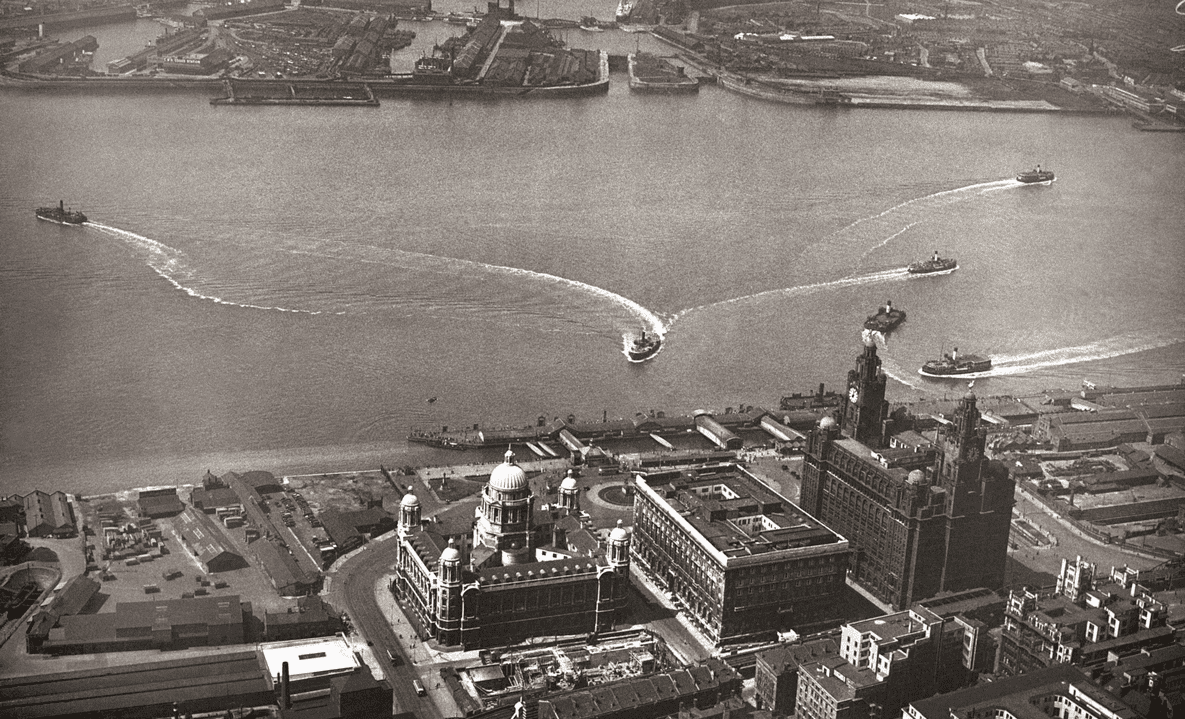

Liverpool is a beautiful city on the eastern side of the Mersey Estuary, where the river meets the Irish Sea. It’s an ancient port with a rich history and remarkable architecture. This heritage makes Liverpool a magnet for tourists, and in 2008, it was even named the European Capital of Culture. Today, we’ll delve into the history of this famous city. You can read more on the iliverpool.info website.
The Origin of the City’s Name
There are several theories about where the name ‘Liverpool’ came from. The most common one suggests it derives from two Old English words: ‘lifer’ (muddy water) and ‘pōl’ (a pool or creek). The first mention of ‘Liuerpul’ dates back to 1190. Another theory links it to the word ‘elverpool’, referencing the large number of eels once found in the River Mersey. While some have suggested a Welsh origin for the name, historians generally dismiss this as unfounded.
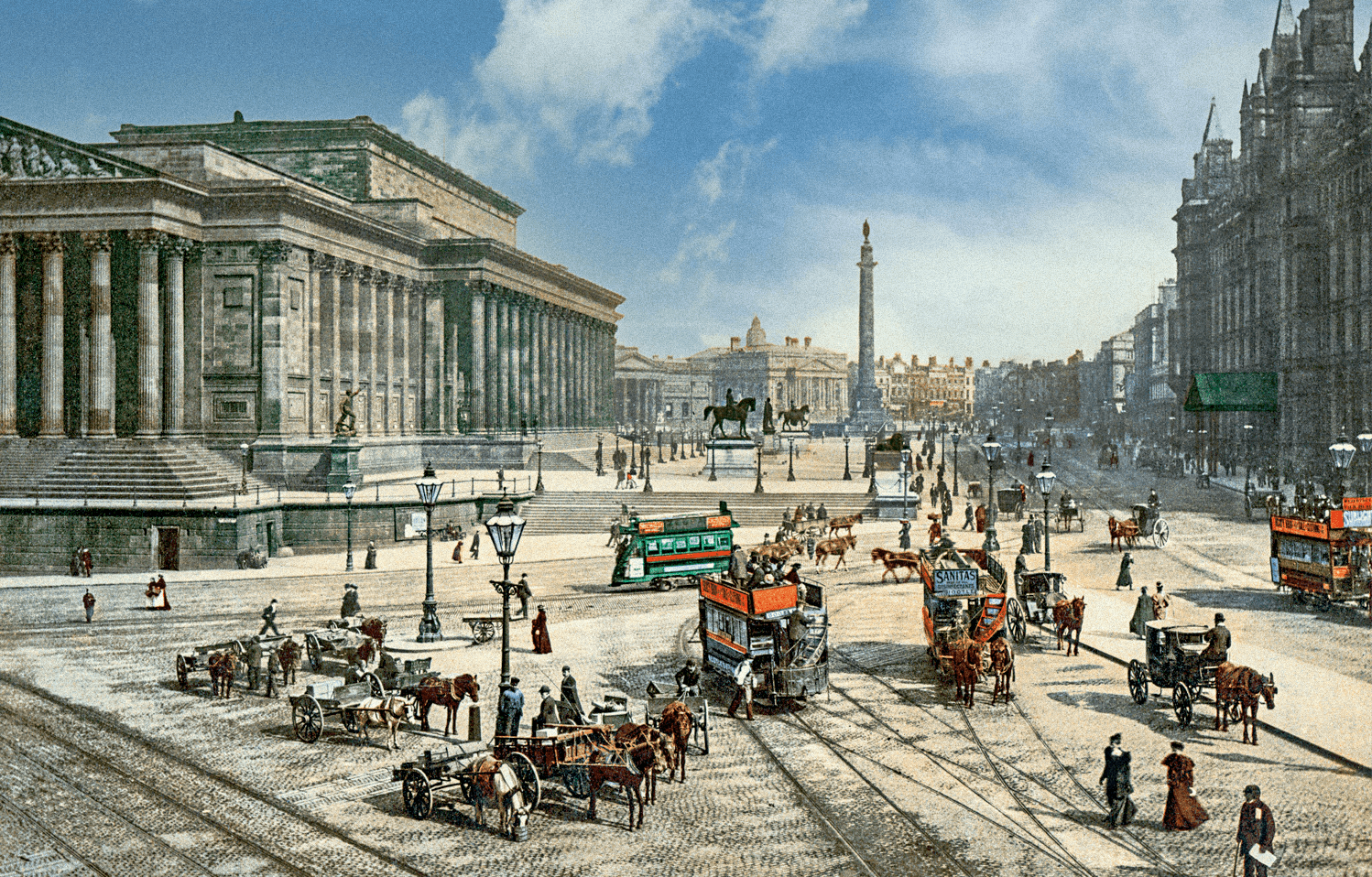
What We Know About the Early Settlement
In the Middle Ages, the area we now know as Liverpool was mostly farmland. Over time, it developed into a small farming town.
In 1207, King John officially announced plans to establish the borough of Liverpool. The first seven streets were laid out in the shape of a cross: Bank Street (now Water Street), Castle Street, Chapel Street, Dale Street, Juggler Street (now High Street), Moor Street (now Tithebarn Street), and Whiteacre Street (now Old Hall Street).
Liverpool Castle was constructed in 1235. The fortress stood for several centuries before it was demolished in the 1720s.
It’s worth noting that until the mid-16th century, Liverpool’s population was no more than 600 people. As trade began to develop in the town, the population gradually increased.
In 1695, the Liverpool Council was reformed. Then, in 1699, an Act of Parliament established Liverpool as a parish in its own right.
The Rise of Trade and Prosperity
For centuries, the nearby city of Chester had been the region’s main port. However, the River Dee, on which Chester stands, began to silt up. As a result, trade gradually shifted to Liverpool.
The city’s first docks were built in 1715. Their number grew each year, eventually forming a large, interconnected system.
The city began to grow and prosper rapidly. The slave trade and the sale of tobacco played a huge role in this economic boom. By the beginning of the 19th century, a vast volume of trade was passing through Liverpool. At certain points during this century, Liverpool’s revenues even surpassed those of London. For a time, Liverpool’s customs office was the single largest contributor to the British Exchequer.
In 1830, a train service began operating between Liverpool and Manchester. This was the first inter-city railway in the world.
Liverpool became an attractive destination for migrants from all over Europe, which led to the construction of many different places of worship.
The City in Wartime
As a strategic port city, Liverpool was heavily impacted during the First and Second World Wars. Its importance was recognised by both Hitler and Churchill. During World War II, the city endured severe bombing raids. Over 2,500 people were killed, and more than 11,000 buildings were destroyed. After the war, a major reconstruction effort took place to rebuild many of the damaged structures. Ironically, some of the city’s historic areas suffered further significant damage during this post-war ‘redevelopment’.
Systematic regeneration and the hosting of major international events have helped Liverpool become a favourite among tourists. Today, it is one of the most visited cities in the United Kingdom.
Of course, the city’s rich history is too vast to cover in a single article. We have tried to briefly outline some of the key events that have shaped Liverpool. We hope you found this overview informative.