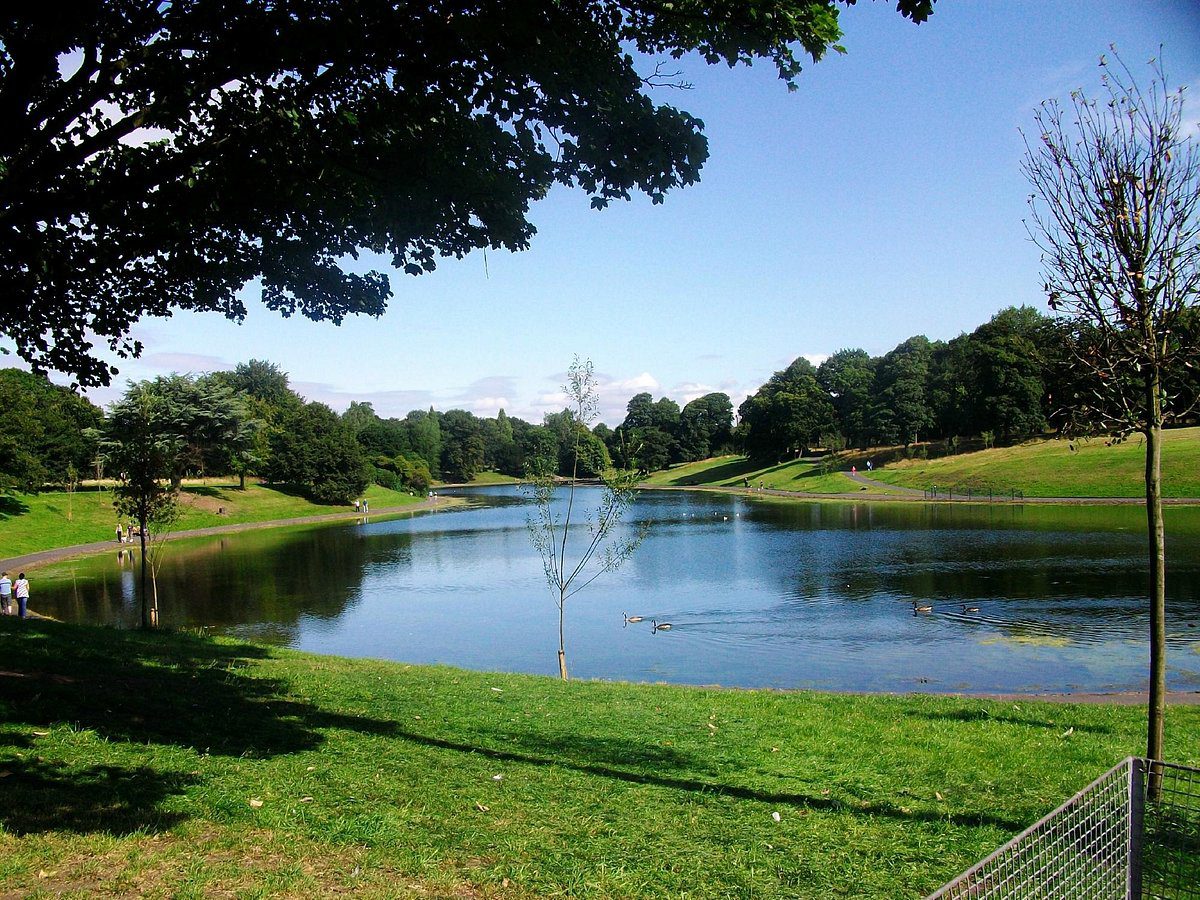

Liverpool is an exceptionally beautiful English city, rich in history and architecture. The city is home to many beautiful buildings, ancient structures, and monuments. However, Liverpool is also famous for its wonderful natural spaces, which are adored by tourists. Today, we will explore the history of Sefton Park. You can read more about this public park on the iliverpool.info website.
One of the City’s Main Parks
The well-known Sefton Park, which covers approximately 235 acres, was once part of the Royal Deer Park of Toxteth. That park was almost ten times larger, at 2,300 acres, but it was dismantled in 1591. Over time, the area became overgrown and lost its former appeal.
It wasn’t until 1867 that the City Council purchased 375 acres of land from the Earl of Sefton to create a new park. A competition was announced to find the best design, attracting 29 participants. The contest was won by the French landscape architect Édouard André, with the detailed design work carried out by Liverpool architect Lewis Hornblower. The park was officially opened to the public by Prince Arthur in May 1872.
What to See in Sefton Park
Sefton Park is one of Liverpool’s most beautiful natural assets, popular with both locals and tourists. The park features a 7-acre man-made lake. In 1876, the Sefton Park Cricket Club relocated to the grounds. There are also tennis courts, bowling greens, and a well-used running route. This route is used annually for the European Cross Country Championship trials and forms part of various marathons and races.
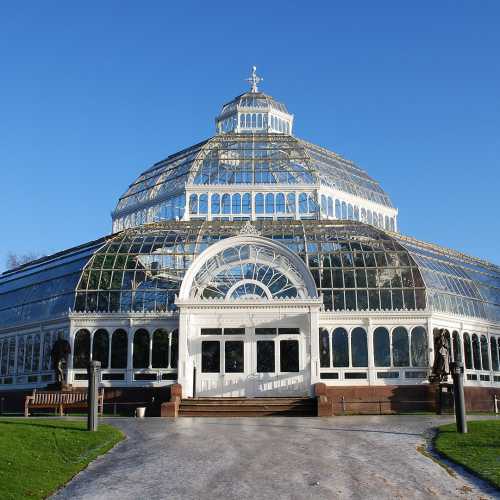
The Palm House, a magnificent three-tiered domed conservatory, is a visitor favourite. It was designed and built by Mackenzie and Moncur and opened in 1896. The project was funded by millionaire Henry Yates Thompson, who donated £10,000. This generous financial support allowed for the creation of a true oasis filled with exotic plants. Unfortunately, the Palm House’s glass was damaged during the Second World War. It was re-glazed in 1950 but was closed in the 1980s due to safety concerns. In 1992, a public rally was held to draw attention to the Palm House’s neglected state and campaign for its restoration. A petition was submitted to the city council, and fundraising began, ultimately collecting over £35,000. A year later, the restored Palm House was reopened to visitors.
In the centre of the park stands the Shaftesbury Memorial Fountain. Made of bronze and aluminium, it is a replica of the famous memorial fountain located in London. The fountain was presented to the public in 1932. Visitors can also see a Gothic-style drinking fountain and statues of prominent figures.
The ‘Field of Hope’ is another incredibly beautiful and symbolic place within the park. In 1990, the Marie Curie Centre received a donation of daffodils, which were planted to inspire and support people with cancer. This “Field of Hope” delights tourists and local residents with its vibrant display each year. Similar fields have also been planted in other parts of Liverpool.
Not All Features of Sefton Park Have Survived
Sefton Park was created centuries ago, so it is understandable that not all of its original features have been preserved.
- In 1901, an aviary was built in the park, housing many exotic birds. Over time, the cages deteriorated and were removed in the 1990s.
- The open-air ‘Concert’ theatre, which hosted singers, magicians, and various events, is also gone. It ceased operating in the 1970s.
- A pirate ship was once located on one of the park’s lakes. Unfortunately, it was removed in the 1990s due to its poor condition and wear and tear. The boating lake itself was also very popular, with visitors able to rent boats. In 2007, during restoration work, the lake was drained and the fish were relocated. The lake was refilled and restored in 2010.
It’s important to note that Sefton Park has undergone several restoration projects. In 1983, the International Garden Festival initiated a large-scale improvement programme in the park. In 2005, another major restoration project began, which involved upgrading and refurbishing many of the park’s features.
In 2013, Sefton Park was presented with the Green Flag Award in recognition of its high standards.
Sefton Park is an incredible location in Liverpool. It impresses visitors with its beauty, elegance, and scale, while offering local residents a source of inspiration, energy, and a peaceful escape from the hustle and bustle of the city to enjoy nature and fresh air.
We hope you found this article interesting and learned more about your home city and its public park.
How often do you visit Sefton Park? Let us know in the comments on our social media channels. We’d love to hear your thoughts.