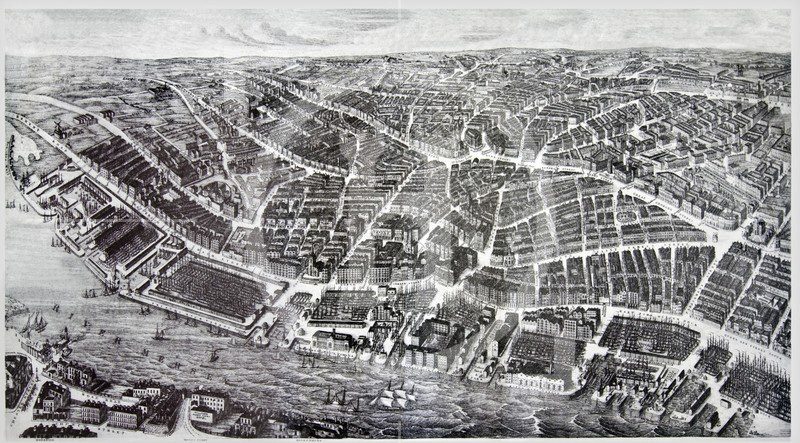

Liverpool has been the birthplace of many talented doctors, medical professionals, scientists, and researchers, all of whom played a vital role in the region’s medical advancements. Today, we’re focusing on a true Liverpool pioneer: William Henry Duncan, who became the UK’s very first Medical Officer of Health. Read on to discover more about this remarkable local figure on the iliverpool.info website.
Education and Career Development
Born in Liverpool in 1805, the future doctor was the nephew of an influential physician, which undoubtedly set him on his own medical path. He qualified as a doctor in Edinburgh before returning to his hometown to practise. Duncan worked at the Liverpool Royal Infirmary and lectured on medical law and jurisprudence at the Royal Institution. He also treated patients at three local dispensaries, facilities specifically set up for those who couldn’t afford medical care.
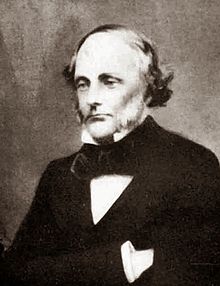
William Duncan’s Stance on Improving City Sanitation
Our local hero dedicated much of his time to treating impoverished patients. At the time, there was a prevalent belief that the poor were to blame for their own illnesses. Duncan, however, strongly disagreed, arguing that social deprivation was the root cause of much of the disease. He passionately advocated against the appalling living conditions his patients endured and pushed for improved sanitation across Liverpool. Many city residents lived in dark, damp, poorly lit accommodation, with some even residing in cellars.
In 1840, William Henry Duncan was among numerous doctors who submitted a report to the Poor Law Commission concerning the sanitary conditions of Liverpool’s working class. Three years later, he delivered two impactful lectures titled “The Physical Causes of the High Rate of Mortality in Liverpool.” These lectures were also published as a pamphlet. Duncan’s tireless efforts yielded results. The council passed the Liverpool Sanitary Act of 1846, which outlawed cellar dwellings and set minimum standards for new housing construction in the city. Crucially, the authorities realised that a dedicated medical professional was needed to tackle these issues. This led to Duncan’s appointment as Medical Officer of Health in 1847, making him the first such public health official not just in Liverpool, but in the entire country.
New Role, New Responsibilities
In his new role, Duncan set about forming Liverpool’s public health team. His team members identified unsanitary houses where people were living. However, vacated cellars often quickly became re-occupied by immigrants. From 1845 to 1847, thousands of people arrived in Liverpool from Ireland, fleeing the Great Famine. This influx led to outbreaks of diseases like cholera and typhus in the city. By 1847, Liverpool’s population stood at 250,000, but nearly 6,000 people died from fever, and over 2,500 from diarrhoea.
In 1847, a modified quarantine system was implemented, with immigrants suffering from fever being housed on hospital ships.
William Henry Duncan, alongside other practising doctors, regularly visited “cholera districts.” By 1851, over ten thousand cellars in Liverpool had been cleared of residents.
William Henry Duncan passed away at the age of 57, but he left an indelible mark on the city’s development and its sanitary conditions. Thanks to his relentless dedication, the life expectancy of Liverpool’s most vulnerable residents significantly improved.
And there you have it – the life story of the UK’s first Medical Officer of Health. We hope you found this article insightful and that you’ve learned more about our incredible home city.
What do you think of Liverpool’s sanitary conditions today? We’d love to hear your comments on social media!