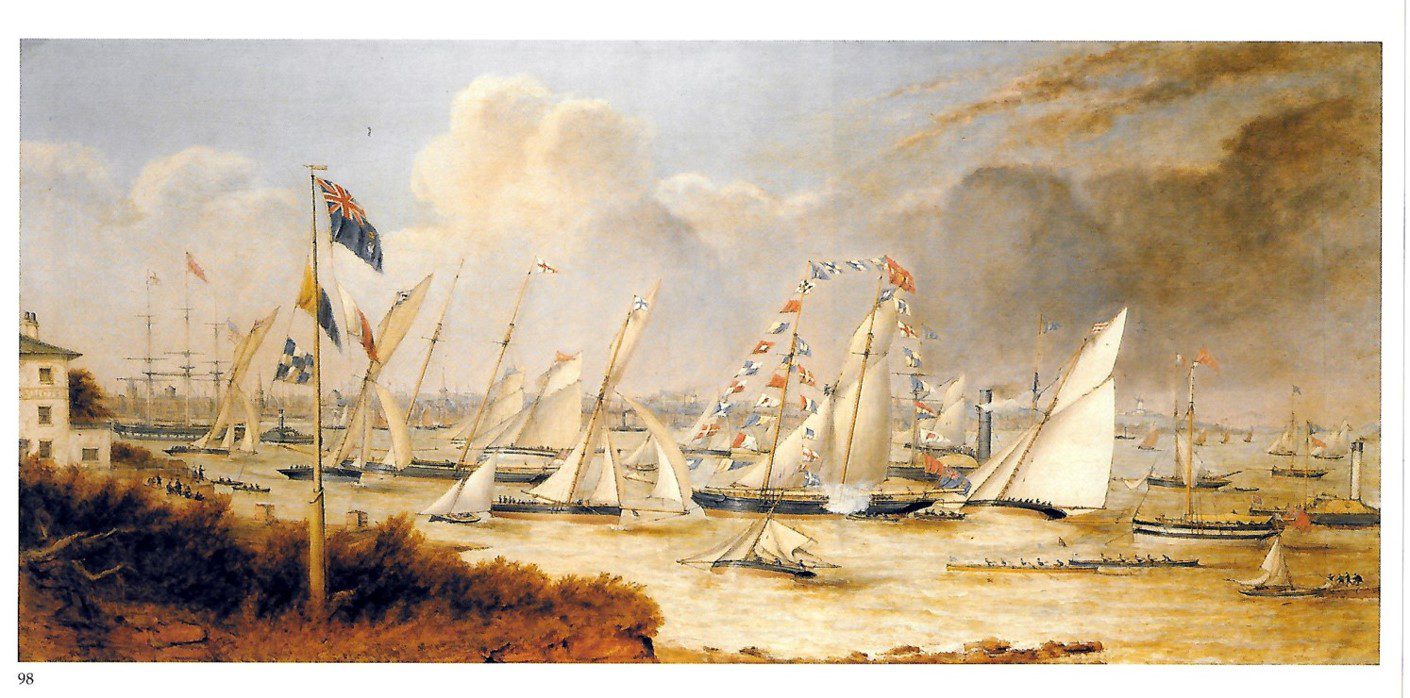

Liverpool has always been a city of immense importance to the UK, largely thanks to its enduring status as home to one of Britain’s largest ports. The River Mersey, which gracefully winds its way through the city, has also played a pivotal role in its development. Today, we’re diving into the fascinating history of the Royal Mersey Yacht Club. For more details, be sure to check out iliverpool.info.
The Yacht Club’s Origins
The story of the yacht club began in July 1844, when 20 individuals gathered at the Old Church Yard Hotel in Liverpool. Just two months later, in September 1844, the yacht club proudly received its Royal Warrant.
It’s worth noting that in its early years, the club hosted major national regattas. Queen Victoria herself generously donated numerous trophies for these club events. In fact, the allure of the “Queen’s silver” was a significant draw, enticing competitors from other Royal Yacht Clubs to race at the Royal Mersey.
John Grindrod served as the yacht club’s first Commodore. His dedication and hard work were instrumental in the club’s early growth and success.
During this period, yachts were typically quite large and operated by a full crew under the command of a professional captain.
Racing Highlights
The inaugural races took place along the Victoria Channel. Once the starting signal sounded, sails were hoisted and anchors weighed. Prizes back then were remarkably generous; it was common for the prize fund to be as much as £50. There’s even a record of a hundred guineas being awarded as a cash prize in 1857.
Beyond the monetary rewards, yacht club members vied for prestigious trophies, especially those gifted by Queen Victoria. During one of her visits to Liverpool, the Queen graciously agreed to become the club’s patron and presented a cup for a special club regatta.
The Club’s Evolution
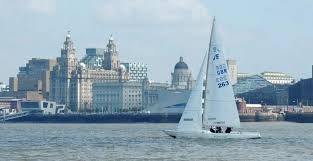
In 1877, the club relocated from Liverpool to Birkenhead.
By 1892, discussions began regarding the use of smaller boats. Consequently, yacht sizes were reduced, allowing owners to sail with just one or two paid hands. This change democratised racing, making it accessible to a wider range of people, not just the extremely wealthy.
The yacht club made history in 1894 by organising its first women’s race in the One Rater class, with Miss Louie Fox clinching victory in “Minuet.”
A Jubilee Regatta was held in 1893. However, it later became apparent that the Clyde and Solent clubs were no longer keen to visit the Mersey. Several factors contributed to this, including the challenges of navigating tidal waters and strong currents. Yet, reports in the press also highlighted the impact of pollution. Smoke and soot tarnished sails, and the water itself was visibly dirty – all consequences of the increasing industrialisation on both banks of the Mersey.
Regattas were paused for several years, but a local regatta was finally held on the Mersey in 1904. It proved a resounding success and has been a regular fixture ever since.
In 1911, the club participated in invitational races at the Blackpool and Fleetwood Yacht Club, competing in Jewel-class boats. These vessels, modelled on local fishing boats, were highly regarded.
World War II brought its own set of challenges. Pleasure craft were prohibited from mooring, effectively suspending sailing at the Royal Mersey. Ferry services to Rock Ferry ceased, and the pier was closed, followed by the eventual closure of the jetties.
Thankfully, sailing gradually resumed after the war.
The Royal Mersey Yacht Club enjoyed the Royal Patronage of Queen Victoria. It’s worth remembering that Queen Victoria lived by a strict schedule and expected the same from her subjects. Her reign, known as the Victorian era, was a time of order and high moral principles. Furthermore, this period saw the rise of the middle class in Britain. It was precisely these members of the burgeoning middle class who joined the Royal Mersey Yacht Club and were instrumental in its development.
We hope you found this piece informative and that you’ve gained a deeper understanding of your home city’s rich history.