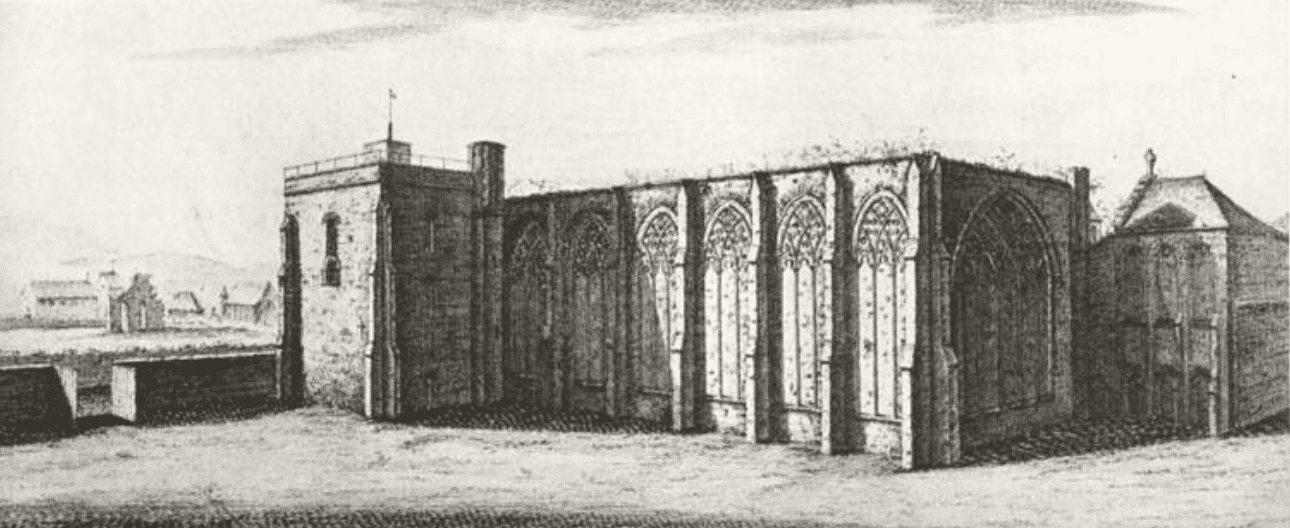

Few people passing through the pleasant village of Spital on the Wirral Peninsula today stop to consider that this very spot was once home to one of the region’s earliest forms of medical care. The leper hospital, which was operating as far back as the 13th century, was, in essence, a precursor to modern hospice and specialised treatment in the Merseyside area. Traces of this history still echo today, embedded in the name of the locality, which is derived from the term ‘spital house’. Find out more on iliverpool.info.
The Spital House, the Hospice, and a Historic Wirral Village
Interestingly, the name of the settlement, Spital on the Wirral, immediately suggests its function to a native English speaker. It’s no accident. The word isn’t a poetic invention or bureaucratic label; it’s a tangible trace of the past that is still very much alive in the geography of the place.
In medieval England (specifically the 13th century, though its roots may go even deeper), the term ‘spital house’ denoted a place that looked after those who had nowhere else to go: lepers, the chronically ill, the elderly, or simply the destitute. It was not a hospital in the modern sense; there were no complex procedures or surgery. But it did provide the essentials: shelter, basic sustenance, a chance to live out their days in humane conditions, and, crucially, care – which was often more vital than any medicine.
This is precisely why the village that grew up around this refuge retained this function in its name. Initially, it had a longer title, something akin to Poulton cum Spital, but eventually, it was shortened to simply Spital. There is a symbolic resonance in this, as if the place has never truly lost its historical mission of caring.
When you consider it, these ancient ‘spitals’ are remarkably close to the contemporary concept of a hospice—a concept often seen as a modern development of 20th-century medicine with clear ethical foundations. The mission of these modern institutions is to alleviate pain, to help people live their final journey with dignity, and therapeutic treatment takes a back seat. But at its core, it is the same care, the same fundamental idea that every person deserves warmth and compassion, even when medical science can no longer offer a cure.
It turns out that a chasm of time separates 13th-century Spital from a 21st-century hospice, yet the essence is strikingly similar. Sometimes, history is preserved better in the names of our villages than in the written words.
From Spital House to Modern Hospice: The Historical Path of Spital Village
The history of Spital as a settlement is inextricably linked with the idea of care, initially physical and sometimes spiritual. As early as 1183, the Chapel of St. Thomas the Martyr was already standing here. It most likely served the people associated with the manor in nearby Poulton Lancelyn, which had existed since 1133.
It was next to this chapel, in 1283, that monks from Bebington received permission to establish a leper hospital—the ‘spital’ as we might refer to it now. However, the spital of that era was not the same as a contemporary hospital. It was a retreat, a place of isolation that combined nursing, quarantine, and religious solace. In many ways, it mirrors modern hospices—places where supporting the individual through the most difficult moments of life is prioritised over cure.
Delving into the Etymological Roots
The name Spital itself, according to one theory, is derived from the Middle English ‘spitel’, meaning a leper hospital. But there are other hypotheses. Some suggest the name arose from the word hospitality, given that many people worked on the Poulton Lancelyn estate, and the area may have traditionally offered lodging, food, and assistance.
Another fascinating suggestion links it to the Welsh word ‘ysbyty’, which also means ‘hospital’ and is found in place names such as Spittal in Pembrokeshire. Over time, the village held names like Poulton cum Spital and Spital Old Hall, until the more familiar, shortened name Spital was officially established in the late 19th century.
Back to History: The Evolution of Medicine in Merseyside’s Spital

A turning point came with the arrival of the railway station: from 1891, Spital became part of the Merseyrail line connecting Birkenhead to Chester. With easy access to Liverpool now possible, the village became an attractive place for seafarers, ship captains, and anyone wanting to live closer to the Irish Sea.
But remarkably, the area’s medical role didn’t fade away. Even when the Workhouses ceased to exist in the 1930s, the old system gave way to a hospital. On the site of the Wirral Workhouse, Clatterbridge General Hospital was established, which over time evolved into one of the most important cancer centres in the whole of North West England. Specialised care for cancer patients began there in 1958, alleviating the pressure on the overcrowded clinic on Myrtle Street in Liverpool.
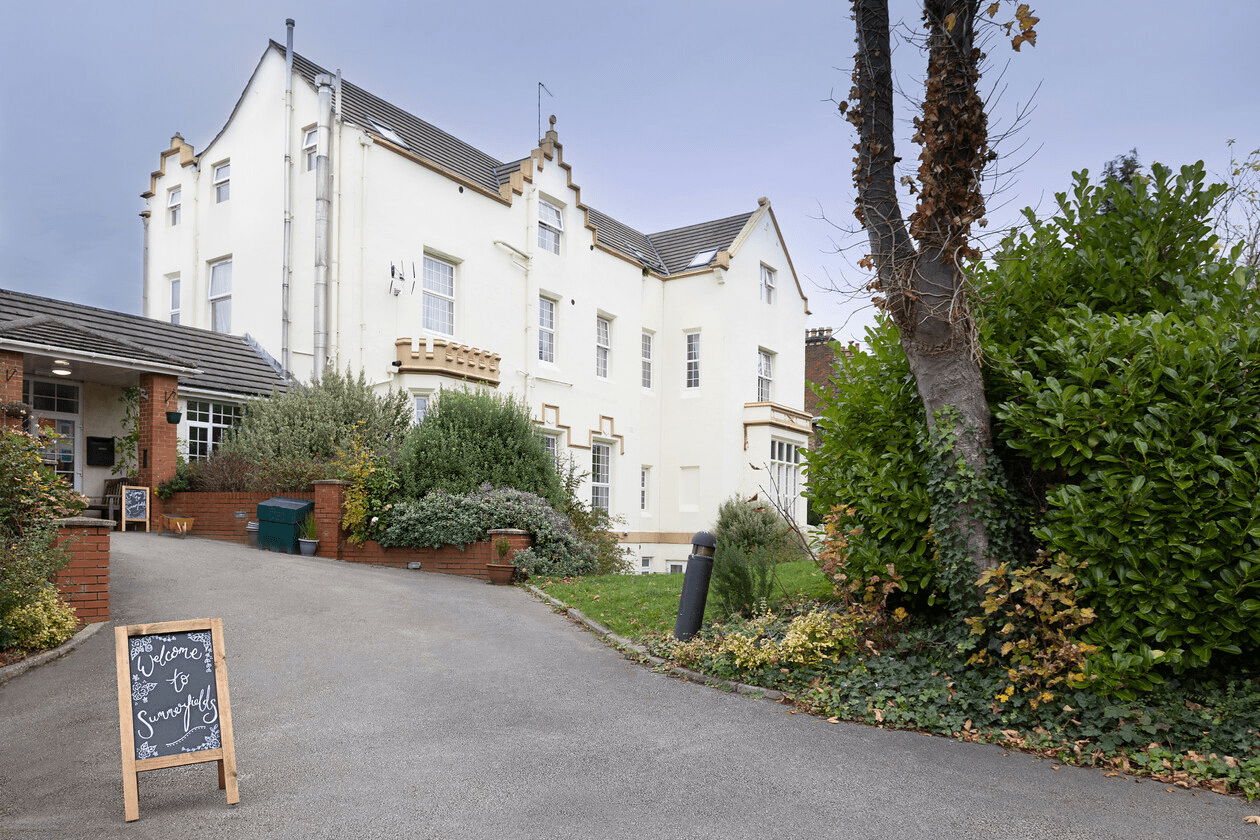
So there it is: from a medieval ‘spital’ to a modern oncology centre, the history of Spital consistently revolves around human care. And though the village has long shed its purely medical status, its deep roots are still very much in evidence.
Spital and Wellbeing Today
Even after the medieval ‘spital’ was lost, the focus on health and wellbeing never truly left Spital. The concept of care is now also linked to nature. The green expanse of Wirral Country Park near Spital has become a favourite spot for hiking, cycling, and outdoor relaxation. Combined with the quiet tranquillity typical of a suburban area, this creates a setting where physical and emotional health are seamlessly integrated into daily life.
Similar spaces, such as city parks, can be found in Liverpool. They are equally beautiful and contribute significantly to people’s health.