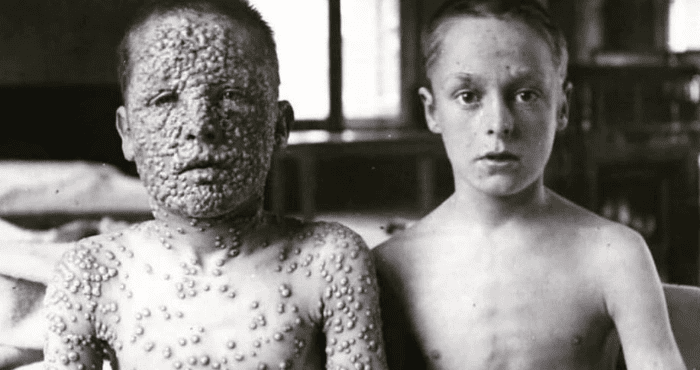

In the early 20th century, Liverpool faced a challenge that forced its citizens to remember the vulnerability of even the largest industrial hubs – a smallpox epidemic. Why did the disease spread so quickly here? How did the authorities fight the outbreak, and why was a doctor named Edward Hope, little-known today, a key figure in the story of salvation? The website iliverpool.info delved into the topic and now provides the answers.
How Smallpox Reached Liverpool
In the early 20th century, Liverpool was one of the main ports of the British Empire. Every day, ships arrived here from all over the world – with passengers, cargo, and sometimes with infections that discreetly crossed the border with people. In 1901, the first cases of smallpox were recorded in the city. According to experts, the disease arrived in Liverpool by sea.
The likely source of infection was foreign sailors or passengers from regions where smallpox was already widespread. This was the so-called minor form – less aggressive but also more difficult to detect. The symptoms were often mistaken for other infections, and a long incubation period allowed the disease to spread quietly throughout the city.
Liverpool was faced with a stark reality: its transport advantages had created ideal conditions for an epidemic. The city had to react – quickly, decisively, and with the awareness that a few days’ delay could have fatal consequences.
What Happened During the Epidemic, When and How Long It Lasted
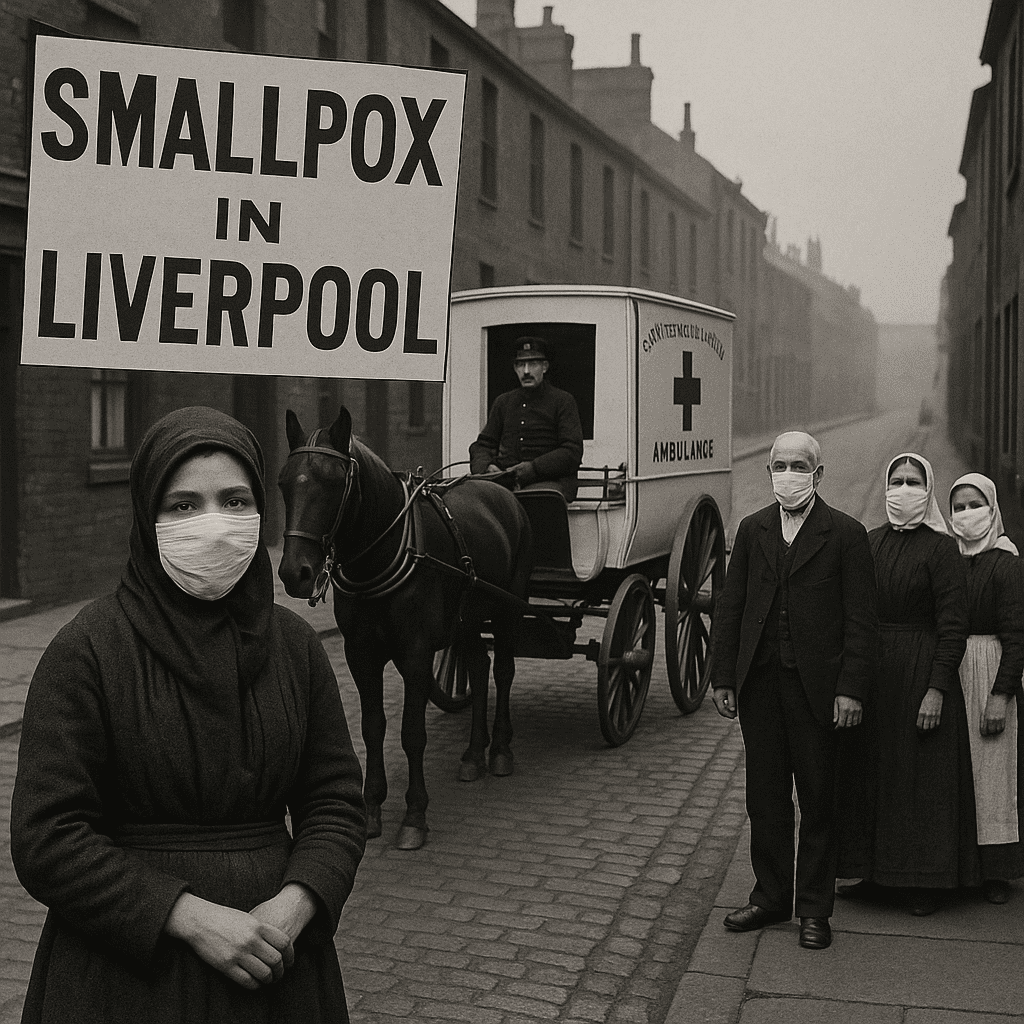
The epidemic lasted from 1901 to 1903. During this time, about 1,400 cases were registered in Liverpool, of which over 90 resulted in death. Anxiety reigned in the city. Some people were afraid of getting infected, while others were afraid of losing their jobs because of quarantine. And there were also those who simply didn’t believe in the danger.
The biggest challenge was balancing public health and the economy. The safety of the population was at stake, but maritime trade couldn’t be halted. Quarantine meant delays for ships, protests from captains, and losses for businesses. Some companies openly opposed strict restrictions.
Things were not smooth with vaccination either. Despite the efforts of medical professionals, the vaccination campaign progressed slowly. Some residents didn’t trust doctors or believed rumours about the vaccine’s harm. Nevertheless, the city managed to overcome the crisis – largely due to the systematic work of the Chief Medical Officer.
The Role of Edward Hope: The Doctor Who Led the Fight
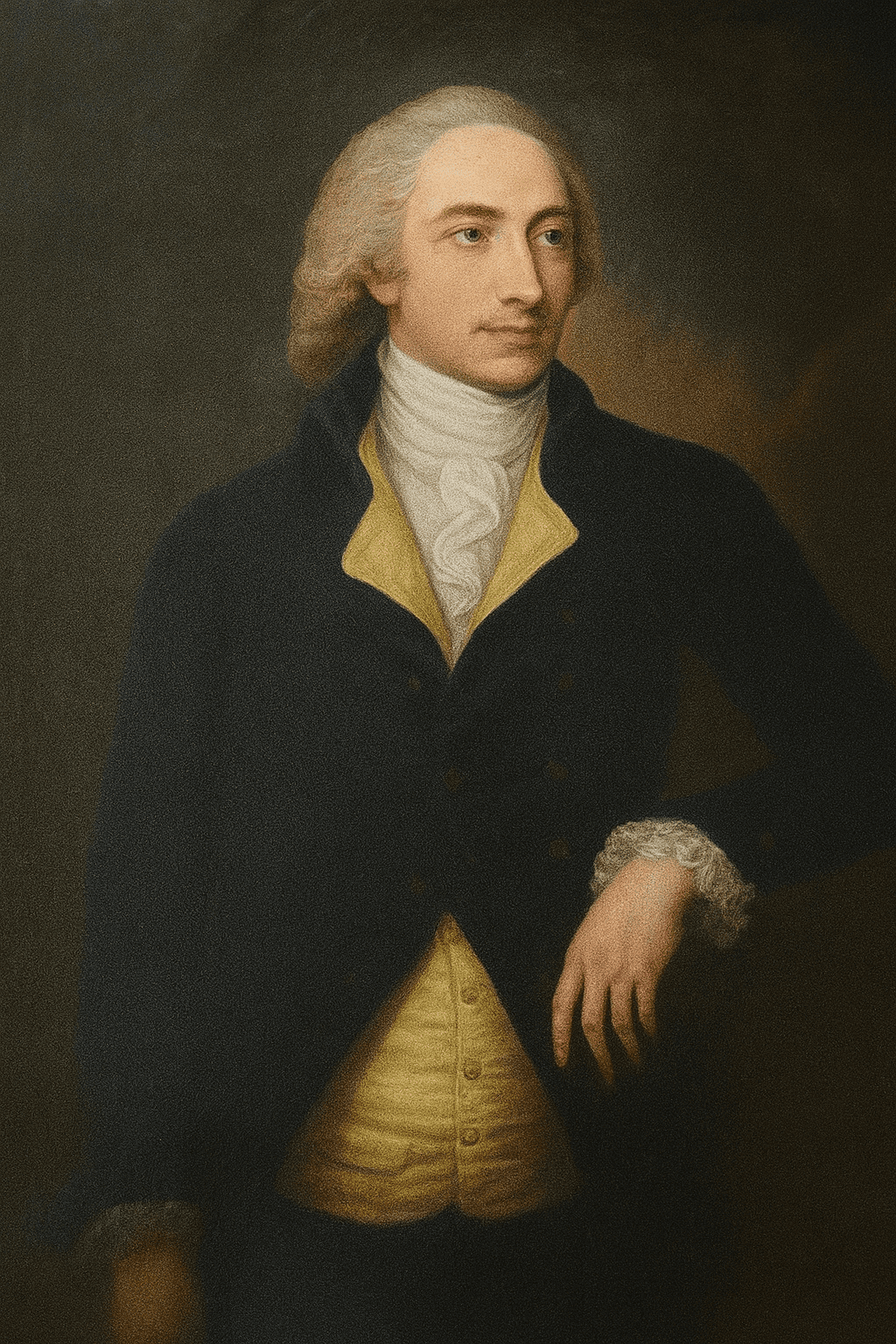
At the beginning of the epidemic, Edward Hope was serving as Liverpool’s Chief Medical Officer – the same position once held by William Henry Duncan (you can learn about his views and reforms by following the link), becoming one of his successors decades later.
Hope had significant experience working in the city’s least affluent areas. He organised a system of epidemic control – medical inspections of arriving ships, rapid identification of the sick, isolation of contacts, and the setting up of hospitals. He also introduced vaccination, explaining its importance to people and persuading them to trust medicine.
He initiated reforms in sanitation, housing conditions, and hygiene control. His diaries contain many details: overcrowded and unsanitary homes, widespread infections – not just statistics, but the specific lives of people. Such records helped Hope act consistently and with justification.
Today, his name is rarely mentioned. But in the context of Liverpool’s history, it should remain a symbol of a systematic approach, responsibility, and humanity during a crisis.
Why This Experience Is Important for Us Today
The history of the smallpox epidemic in Liverpool is a page from the past that shows how infections can exploit global connections, human carelessness, and bureaucratic inertia. But it is also a story that demonstrates how responsible decisions, systematic work, and communication with citizens can change the course of events.
Edward Hope showed that the position of a medical officer was not limited to a purely decorative function. His actions weren’t aimed at creating a sensation. Rather, our hero consistently tried to be of benefit. And that’s why his measures worked. Hope didn’t wait for ideal conditions – he acted with what he had and didn’t try to chase metrics. The fates of people were a priority for this outstanding Liverpool medic.
We live in a time when pandemics have once again become a reality and, unfortunately, have claimed the lives of millions of UK residents and many other countries. But the history of Liverpool reminds us: every disease is a challenge for both medicine and critical thinking. Smallpox also tested the trust of Liverpudlians in science. That’s why it is worth remembering those who have already walked this path – and did it with dignity.
In the early 1900s, Liverpool already had excellent experience with healthcare reforms and technical modernisation. A few decades before the epidemic mentioned in this article, William Hutchinson worked here – the author of an invention that changed the work of lighthouses and improved the safety of maritime transport (you can read more about this story here). Such infrastructure development, albeit indirectly, contributed to a quicker response to challenges, particularly during disease outbreaks. Technical progress definitely helps medicine in other cases as well.