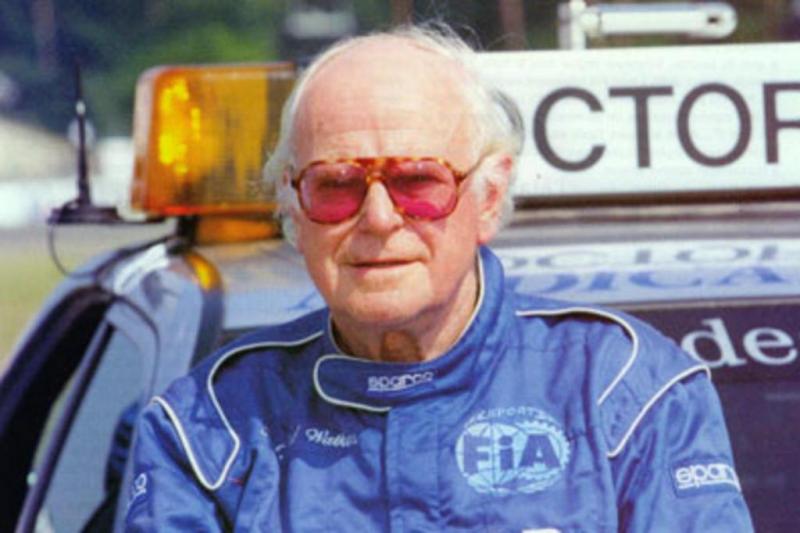

Liverpool is a city renowned for producing an abundance of talented individuals across various fields – from pioneering scientists and ingenious inventors to celebrated athletes, dedicated doctors, and glittering showbiz stars. Today, we’re shining a spotlight on a truly remarkable local, Professor Sid Watkins. He was not only a distinguished British neurosurgeon but also the President of the FIA Institute for Motor Sport Safety and the chief medical officer for Formula 1 Grand Prix races. This extraordinary doctor saved countless lives, earning him widespread recognition not just in the UK, but globally. For more on his life and incredible career, keep reading here on iliverpool.info.
Early Life and Education
Born in Liverpool in 1928, the future doctor often lent a hand in his father’s small bicycle repair business. Despite his father’s initial reservations, Sid was determined to pursue a medical career. He graduated from the University of Liverpool in 1956 with a Doctor of Medicine degree. Interestingly, during his time at university, he researched the effects of heat on human performance – a study that would prove invaluable in his future work.
Career Development: A Neurosurgeon and Racing Doctor
Sid’s career kicked off with a stint in the Royal Army Medical Corps in West Africa. By 1958, he was working as a neurosurgeon at Oxford’s Radcliffe Infirmary. Just three years later, he got his first taste of motorsport medicine, assisting at a go-kart race. He then began working as a trackside doctor at Silverstone in his spare time.
Later, Sid made the move across the pond to the United States. In 1962, he became a Professor of Neurosurgery at the University of New York. Even while abroad, his passion for motor racing continued to burn brightly.
In 1970, the doctor returned to his homeland, taking up the head of neurosurgery position at the London Hospital. He also worked with the RAC medical group.
Formula 1’s Official Race Doctor
In 1978, our Liverpool native took on the prestigious role of official race doctor for Formula 1, while still maintaining his work at the London hospital. Tragically, in the same year, a devastating accident occurred at the Italian Grand Prix involving Lotus driver Ronnie Peterson. He crashed at the start of the race. Watkins was initially prevented from reaching the scene by the police, and it took a harrowing 18 minutes for an ambulance to arrive. Peterson sadly died in hospital the following day.
Following this tragedy, Watkins demanded significant improvements: an anaesthetist, a dedicated medical car, and a helicopter. His demands were met, and it was decided that the medical car would accompany the drivers for the first lap of all races.
In 1981, Sid Watkins became President of the FISA Medical Commission. It was largely thanks to his tireless efforts that medical standards in Formula 1 were revolutionised, saving countless lives. One notable instance was in 1995, when he performed an emergency tracheotomy on Mika Häkkinen at the Australian Grand Prix after the driver’s heart stopped twice.
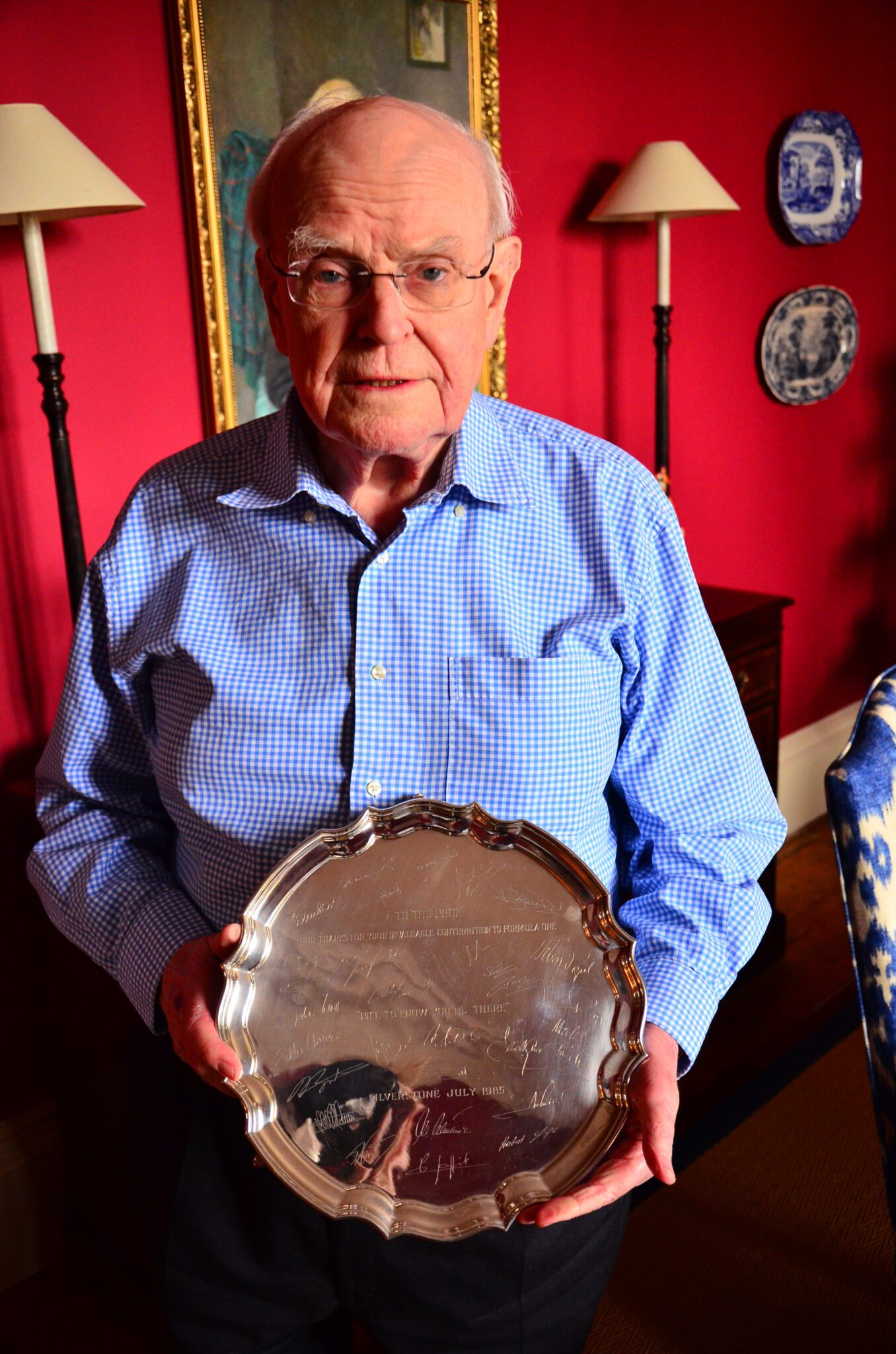
Watkins garnered numerous accolades throughout his career, including the Mario Andretti Award for Medical Excellence and an appointment as a Member of the Order of the British Empire (MBE). He was also awarded an honorary doctorate by the University of Liverpool. Furthermore, Professor Watkins authored several influential books on motorsport safety.
In 2005, Watkins stepped down from his medical roles within the FIA.
Our renowned local hero passed away in 2012.
Sid Watkins was a truly exceptional individual, not just in the UK, but globally. He saved many lives and spearheaded the modernisation of medical standards in Formula 1. His invaluable contribution to motorsport safety is immeasurable and truly deserving of recognition. We hope this piece has given you a deeper insight into the life of this remarkable Liverpudlian.