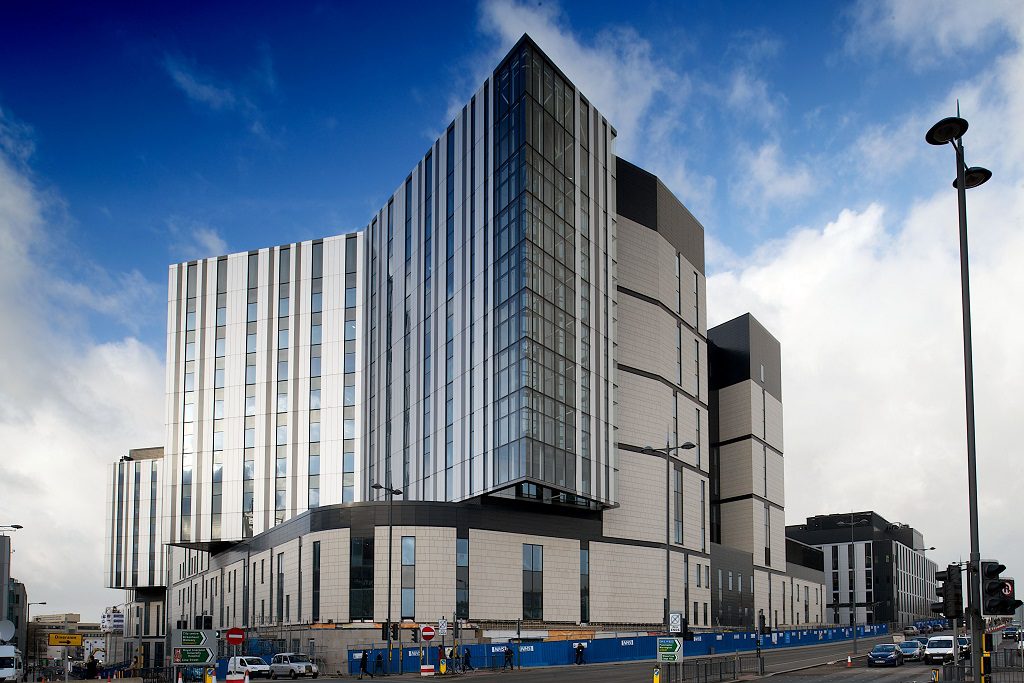

Liverpool is a well-known city in Great Britain. As England’s ninth most populous city, it is also a major port. Liverpool is home to many important infrastructure facilities, institutions, and medical and educational establishments. Today, we’re going to talk about the history and development of the Royal Liverpool University Hospital. This medical facility is considered the busiest hospital in Merseyside and Cheshire. Furthermore, the Royal Liverpool University Hospital has the largest Accident and Emergency department in the country. Read more on the iliverpool.info website.
How It All Began: The Story of its Creation
The hospital was originally created to replace three medical facilities in the city centre: the Liverpool Royal Infirmary, the David Lewis Northern Hospital, and the Royal Southern Hospital. The city authorities decided to consolidate the departments of these institutions near the University of Liverpool, with the aim of advancing medical education and research.
Construction of the hospital began in 1963 but was a lengthy process beset by difficulties, including financial issues, changes in legislation, and problems related to fire certification. As a result, the hospital finally opened its doors to patients in 1978.
Reconstruction of the Medical Facility
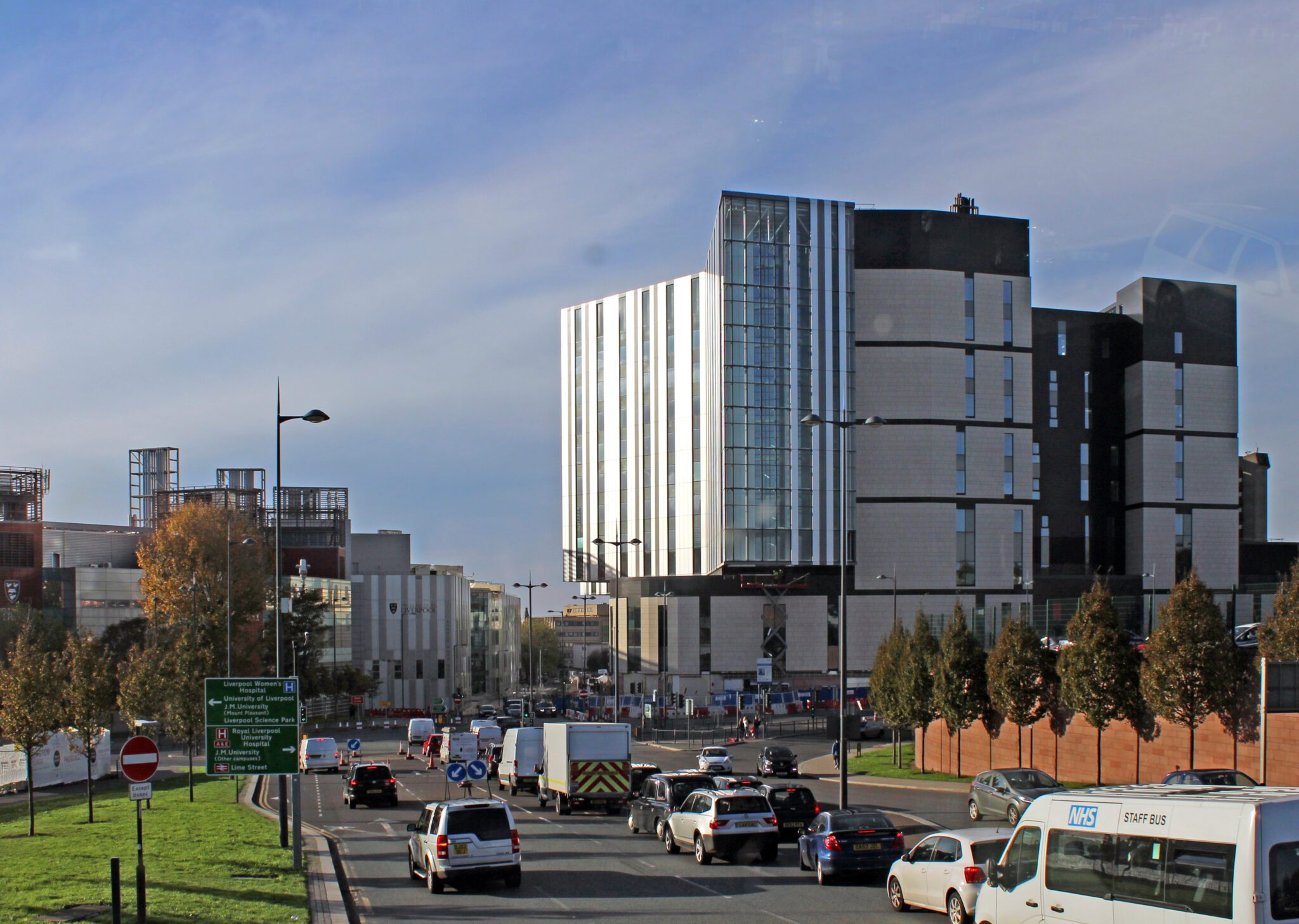
The reconstruction of the medical institution began at the end of 2013 and cost over £429 million. After the renovation, the hospital was set to have the largest Accident and Emergency (A&E) department in the UK. However, the construction work faced severe delays. In January 2018, it was announced that the project’s completion would be postponed.
In December 2019, the hospital’s CEO, Steve Warburton, stated that the reconstruction was ongoing and the project would be delayed until 2022. In the meantime, patients and staff would remain in the existing hospital. The budget continued to grow, and by the end of 2019, £285 million had already been spent. Subsequently, claims were filed against the construction company Carillion and a subcontractor.
In 2020, part of the new hospital in Liverpool was opened. This decision was made to provide additional medical capacity during the COVID-19 pandemic.
In October 2022, the new Accident and Emergency department at the Royal Liverpool University Hospital was finally opened.
About Medicine in Great Britain
Great Britain’s medical system was first reformed in 1948 by Prime Minister Clement Attlee, creating the National Health Service (NHS). The system was funded by taxes, and consequently, medical services were free at the point of use for patients. It is a core principle that all Britons receive the same quality of medical care, regardless of their status or how much tax they contribute. However, as decades have passed and the capabilities of medicine have grown, providing the full spectrum of medical services for free has become a challenge. This is why the main complaint from Britons today is the long waiting times, as patients can wait for weeks to see a doctor. Despite this, the UK government invests heavily in training medical professionals and purchasing necessary equipment. As a result, patients have free access to a wide range of medical services, from preventative vaccinations to cancer treatments.
And that is the story of the creation of the Royal Liverpool University Hospital and the development of medicine in the country. We hope you found this article informative and that it has given you some food for thought.
Are you satisfied with the quality of medical care in Liverpool? We look forward to your comments on our social media channels.