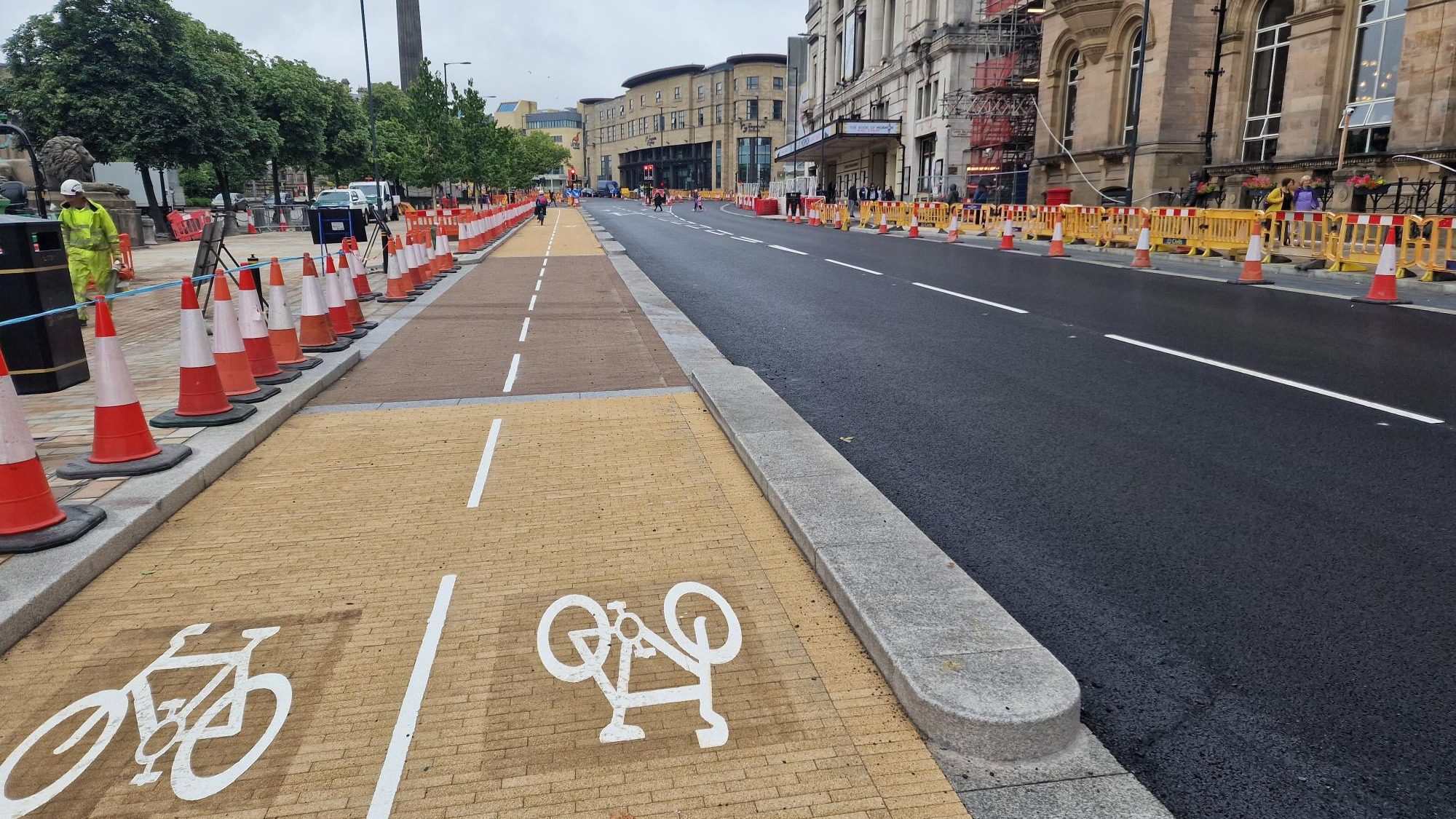

Liverpool, a stunning European city, is renowned for its magnificent architecture, captivating tourist spots, and charming streets. Our city boasts a rich history, drawing in visitors from across the globe keen to explore Europe’s cultural capital. Today, we’re diving into the world of cycling and bicycles in Liverpool. For more in-depth information, head over to iliverpool.info.
A Spin Through Cycling History
In 1869, Liverpool proudly established the first cycling club in Great Britain. This pioneering club was founded just two years after a Parisian blacksmith invented the bicycle.
The Liverpool cycling club’s story began with the arrival of imported bicycles from New York. Local Liverpudlians, attaching bags to their two-wheeled steeds, embarked on an adventurous journey to London. These determined men covered two hundred miles in just four days, their curious “machines” astonishing passers-by along the way.
That same year witnessed the inaugural cycle race between Chester and Rock Ferry. Cyclists battled it out on a gravel road, with thousands of eager spectators gathering to witness the event. Everyone was keen to see these new-fangled bicycles in action and discover their practical potential.
By 1879, the “Enfield” cycling club was formed. This club quickly grew to become Liverpool’s largest, organising numerous long-distance cycling excursions.
It’s worth remembering that Pierre Lallement crafted the very first bicycle in 1863, patenting his invention in America in 1866. From then on, bicycles underwent continuous improvements, with new designs and innovative ideas emerging year after year.
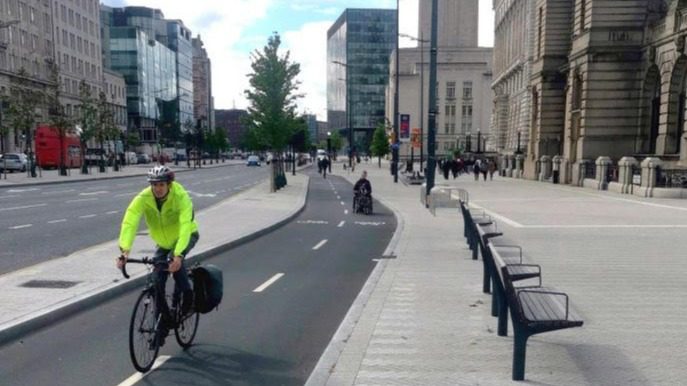
Liverpool on Two Wheels
Centuries have passed, and it’s now hard to imagine our modern city without these ‘two-wheeled horses.’ They’re convenient, quick, and fantastic for your health. Bicycles became particularly popular during the global COVID-19 pandemic. Liverpool saw a significant surge in cycling during this period. What’s more, bike sales in 2020 rocketed by 50% compared to the previous year. Consequently, Liverpool received government subsidies to create dedicated cycle paths, separating them from the main flow of traffic. The growing popularity of bicycles is closely linked to public health; if more Brits cycle to work, their physical activity levels will undoubtedly increase.
The Benefits of Cycling
Bicycles are no longer a novelty; this mode of transport has become an integral part of our daily lives. Many Liverpudlians have swapped their cars for bikes, and it’s easy to see why. Two-wheeled transport isn’t just eco-friendly; it also has a profoundly positive impact on your health:
- **Improved Sleep and Well-being.** Regular cycling can help your body flush out cortisol, the stress hormone that often interferes with sleep and causes insomnia. Consequently, bike rides will lead to better quality sleep and an enhanced sense of well-being.
- **Boosted Metabolism.** Many people turn to cycling to aid weight loss. Indeed, cycling increases energy expenditure and speeds up your metabolism, ensuring better oxygen delivery to all your organs and tissues.
- **Radiant Appearance.** Cycling boosts blood circulation and helps eliminate harmful toxins from your body. These rides also promote collagen production, which can help reduce wrinkles.
- **Strengthened Immunity.** Cycling trips are beneficial for the entire family, especially children. Such physical activity positively affects the whole body and boosts immunity.
In 2008, Liverpool was crowned the “European Capital of Culture.” Tourists adore our city, drawn by its wealth of architectural landmarks, exhibitions, and museums. Visitors also love our city because it’s safe to cycle around, thanks to our extensive network of cycle paths. Local authorities are keen for both residents and visitors to embrace cycling, as it will reduce traffic congestion and lower gas emissions into the atmosphere.