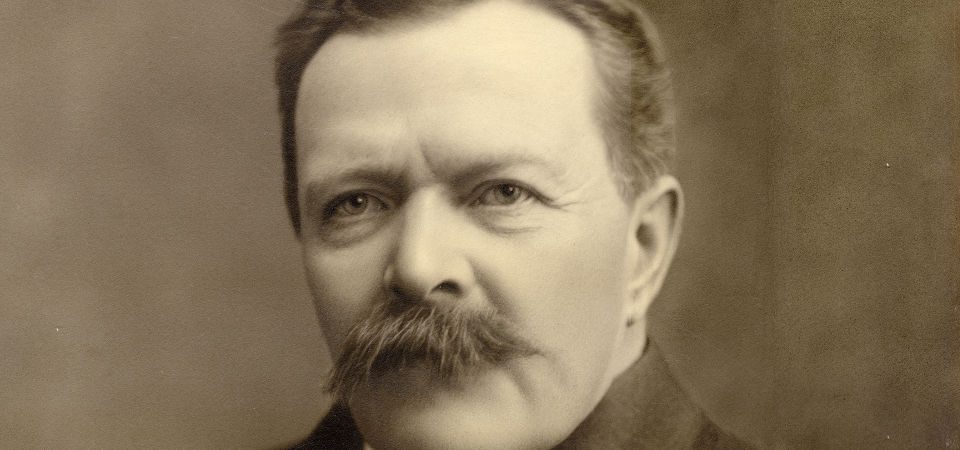

Liverpool has been the birthplace of countless renowned figures. While many have chosen to build their careers in their home city, others have ventured beyond the country’s borders. Today, we’re shining a spotlight on the gifted British geologist and mining engineer, John Milne. His brilliance left a mark not only in England but also in Japan. For more on the life and work of this exceptional geologist, visit iliverpool.info.
Early Life and Professional Beginnings
Born in Liverpool in 1850, Milne received his education at King’s College London and the Royal School of Mines.
In 1873, the young Milne embarked on a career as a mining engineer, exploring Newfoundland and Labrador for coal and mineral resources. During this period, he penned articles on the interaction of ice and rock, and on the recently extinct great auk. That same year, he accompanied Dr. Charles Tilstone Beke on an expedition to northwest Arabia, aiming to pinpoint the true location of Mount Sinai.
Career Development
Milne was later invited to Japan as a foreign advisor and Professor of Mining and Geology at the Imperial College of Engineering in Tokyo. Interestingly, our native Liverpudlian suffered from seasickness, so he always travelled by land. This meant his journey to Tokyo, across Siberia, took a remarkable three months.
In 1880, Milne, alongside other British colleagues, began studying earthquakes. They were spurred into action by a powerful tremor that struck the Yokohama area. It was Alfred Ewing, Thomas Gray, and John Milne who founded the Seismological Society of Japan (SSJ).
Also in 1880, Milne invented the horizontal pendulum seismograph. His innovative instruments allowed for the identification of different types of earthquake waves and the estimation of their speed.
In 1885, in recognition of his significant contributions to seismology in Japan, John Milne was awarded the Order of the Rising Sun and a lifelong pension of 1000 yen.
It’s worth noting that Milne also made a considerable contribution to anthropology. He developed a theory on the origins of the Ainu people in northern Japan and extensively researched the prehistoric racial origins of Japan as a whole.
Return Home
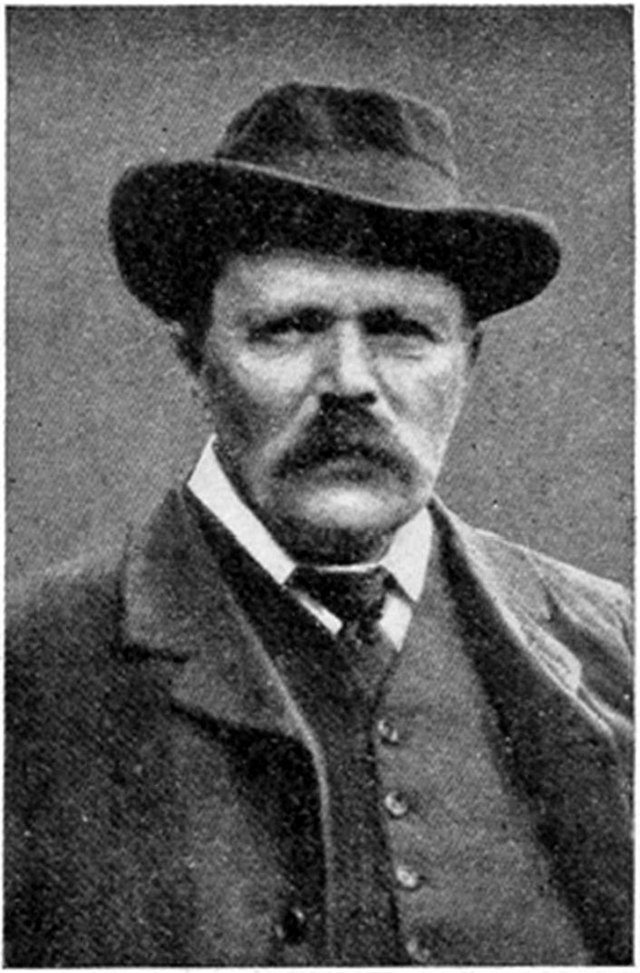
In 1895, tragedy struck Milne’s life when a fire destroyed his home, observatory, library, and many of his instruments. Following this devastating event, he decided to return to his homeland with his Japanese wife. They settled at Shide Hill House in Shide, on the Isle of Wight.
In 1887, he was elected a Fellow of the Royal Society. Milne then persuaded the Society to sponsor 20 earthquake observatories around the globe, all equipped with his horizontal pendulum seismographs. Initially, his network comprised seven stations, which later expanded to forty.
In 1898, Milne authored the book “Earthquakes and Other Earth Movements.”
From 1900 to 1912, he also published the “Shide Circular Reports on Earthquakes” annually.
In 1906, the geologist delivered the Bakerian Lecture at the Royal Society, and two years later, he was awarded the Royal Medal.
The distinguished British geologist and mining engineer passed away in 1913. Six years later, his Japanese wife returned to her homeland, where she died in 1926.
In honour of the scientist, the highest point on Simushir Island and a bay on the northwest coast of the island’s southwestern part were named after him.
John Milne stands as one of the many Liverpudlians who brought renown to our city through his talent and professional endeavours. He dedicated his entire life to science, and his discoveries and work are still remembered today. We hope this piece has been informative and that you’ve gained a deeper insight into the life of this celebrated English geologist and mining engineer.