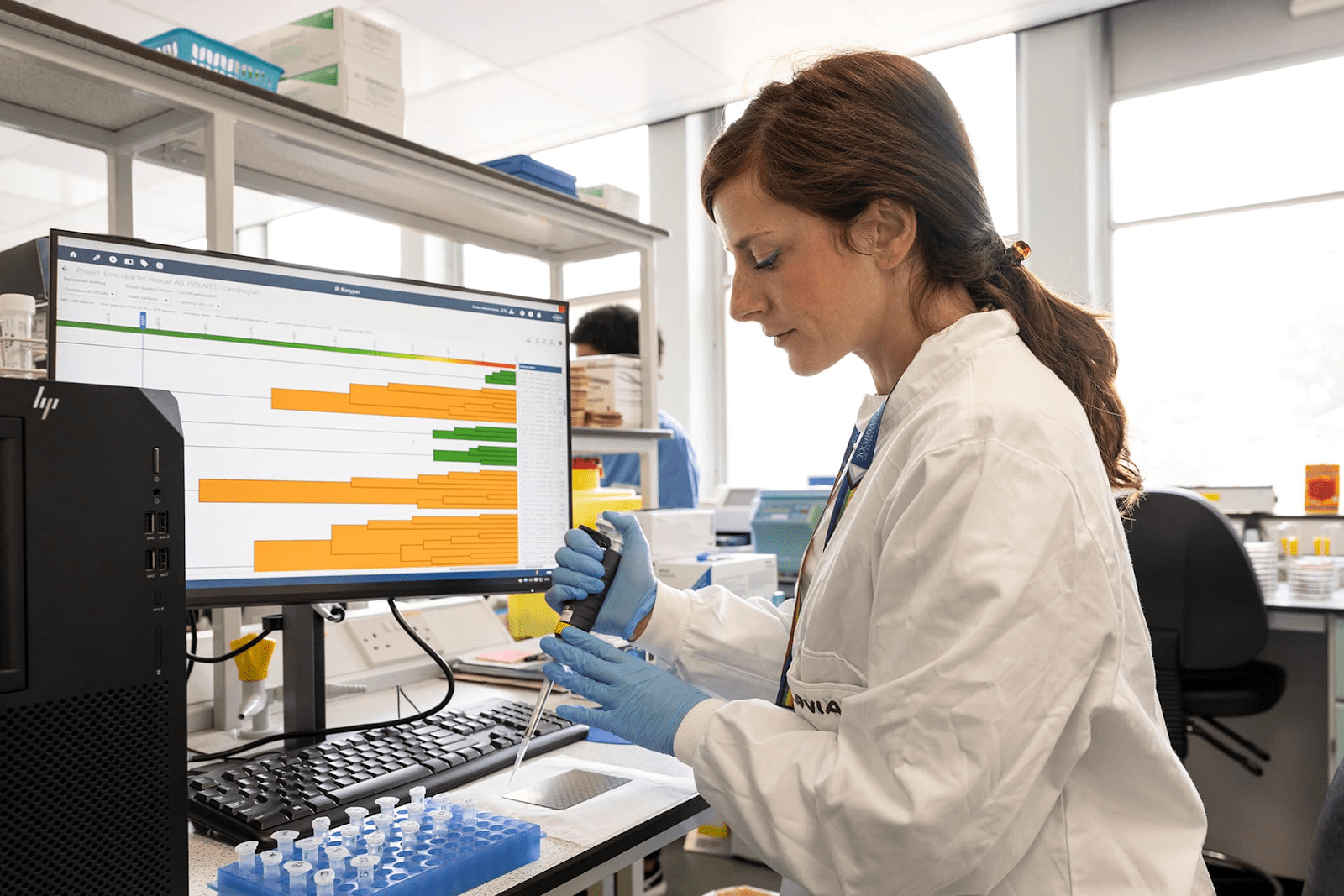

The University of Liverpool is home to a centre for the development of viral vectors, reports the website iliverpool.info. It has made fascinating discoveries in the study of genetic materials and viruses for medical purposes and serves as an incubator for innovative solutions in the field of medicine.
The Most Important Information
Researchers at the University of Liverpool recognised the urgent need to study genetic materials and viruses. They decided to focus on the development of viral vectors, which are used in gene therapy and vaccinology.
Viral vectors are modified viruses used to deliver genetic material into human cells. They hold great potential for treating genetic diseases and developing new vaccines. In Liverpool, scientists are developing new methods for creating and modifying these vectors, while also ensuring their safety and effectiveness.
Research conducted at this centre has led to significant advancements in understanding genetic diseases and developing new treatment methods. For example, viral vectors have been used to develop vaccines against COVID-19, as well as in the treatment of rare genetic disorders that were previously considered incurable.
Unlocking the Potential of Viral Vectors

Viral vector gene therapy is a promising field, but its full potential has yet to be determined. Success depends on innovative solutions that still require extensive study and development.
The COVID-19 pandemic had a significant impact on developments in this area. It’s worth noting that the field of viral vector gene therapy has seen both successes and setbacks. Innovators from Liverpool also worked on vaccines against adenoviral vectors and contributed to mitigating the devastating impact of the pandemic. However, there were also local failures – some high-profile developments in gene therapy were halted because they proved to be insufficiently effective and safe.
This situation is quite symbolic of viral gene therapy. On one hand, the field has very promising prospects. On the other, there are certain difficulties that still need to be resolved. To unlock the industry’s potential, numerous technological challenges must be overcome. To meet them, biotechnology and pharmaceutical companies are testing a multitude of technological advancements and innovative strategies. For companies prepared to keep pace with rapid changes, tremendous opportunities are opening up.
The State of Viral Vector Gene Therapy

To deliver the modified viruses into cells, specific DNA sequences are introduced that encode genes, regulatory RNAs like small interfering RNAs (siRNA), or other therapeutic substances. This technology has long attracted attention due to its potential advantages over traditional methods.
Many types of therapeutic agents (such as enzymes, antibodies, and siRNAs) can be encoded in DNA sequences, which can be rapidly designed and synthesised once a target is identified. This means that as soon as scientists identify a specific molecule or biological process that needs to be treated or regulated, they can create the corresponding genetic sequences for therapy.
Viruses are powerful vehicles for delivering these sequences due to their ability to efficiently penetrate cells and potentially access hard-to-reach, highly specific cells. Viral gene therapy offers the flexibility to treat various pathologies, from rare monogenic diseases through gene replacement to common polygenic diseases via gene expression control. They can also aid in disease prevention through immunisation.
Data Hub for Vector-Borne Diseases
At the end of 2023, another innovative project from the University of Liverpool was announced, which will support the exchange of data and findings on vector-borne diseases. These are illnesses transmitted by carriers such as insects and ticks. This centre has received significant funding (reported to be £1.5 million) and aims to support the exchange of information between researchers and policymakers to combat diseases affecting human, animal, and plant health.
The newly created centre, named the One Health Vector-Borne Diseases Hub, received investment from Defra and UK Research and Innovation via the Biotechnology and Biological Sciences Research Council. The University of Liverpool is a partner in this hub, but it is led by Imperial College London, along with the Pirbright Institute, the London School of Hygiene & Tropical Medicine, and the UK Centre for Ecology & Hydrology.
Vector-borne diseases include well-known health issues such as Lyme disease and bluetongue, as well as relatively new pathologies like the West Nile virus and the Usutu virus. The problem is that these carriers are now appearing in regions where they were not previously found. For example, in the summer of 2023, Paris faced an outbreak of dengue fever, which until then was characteristic only of tropical regions. Therefore, the UK is also potentially at risk.
So, what is planned?
- To establish a rapid exchange of data on disease carriers among humans and animals.
- To create an infrastructure for accessing necessary data.
- To build a network of researchers who can maintain contact with each other.
- To promptly forecast the likelihood of disease spread and model the risk of an epidemic.
- To develop a web platform to facilitate connections between researchers and industry. This task is being undertaken by ArcTech Innovation.
As we can see, the innovative solutions from Liverpool’s scientists offer hope for at least some improvement in the fight against diseases. The city also has other activists helping us to be healthier, such as Louise Kenny.