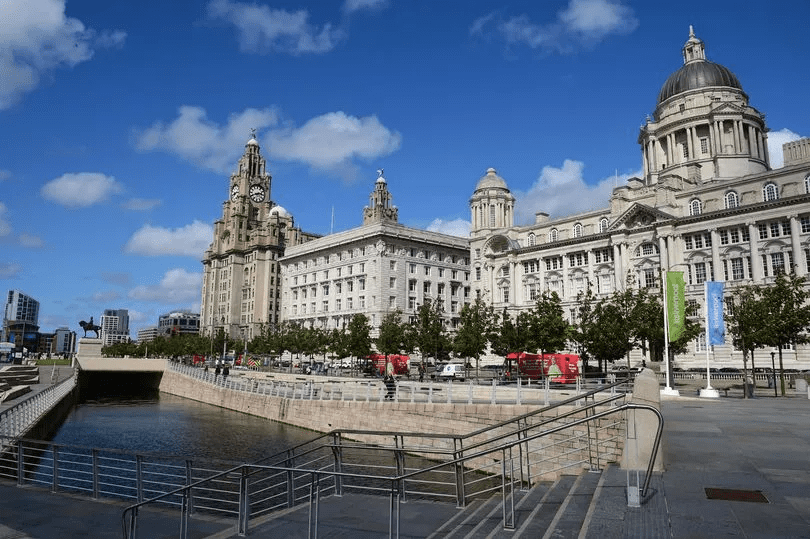

Liverpool is more than just The Beatles, a port with fascinating tourist spots, or two major football clubs; it is also a city of inventors. As the website iliverpool.info asserts, Scousers have every reason to be proud of them. To see why, let’s explore 20 of the coolest inventions to come out of the city.
Girls’ High School
In 1788, a house was built on Hope Street in Liverpool for the city’s former Lord Mayor, John Blackburne. It was later purchased by George Holt, who in 1844 opened a girls’ high school with the Latin motto “Not for ourselves, but for the whole world.” The institution was one of the first in the country created specifically for girls and open to the public. The building has now been transformed into an innovative social enterprise. Interestingly, a school for boys was located directly opposite.
Free Library
The Lyceum on Bold Street in Liverpool was built in 1802. It was there that the first library appeared where people were allowed to borrow books for free. Before this, these printed treasures of knowledge could only be taken from libraries for a fee, albeit a small one. Only members of the middle and upper classes could afford this pleasure.
Society for the Prevention of Cruelty to Animals
In 1809, at a meeting in a coffee house on Bold Street, a society was formed with the aim of ending wanton cruelty to animals. It is now the world’s oldest animal charity and has since become the Liverpool branch of the Royal Society for the Prevention of Cruelty to Animals (RSPCA), helping Merseyside animals find homes. While many such societies exist today, it was Liverpool that gave the impetus for their development.
Chess Clubs
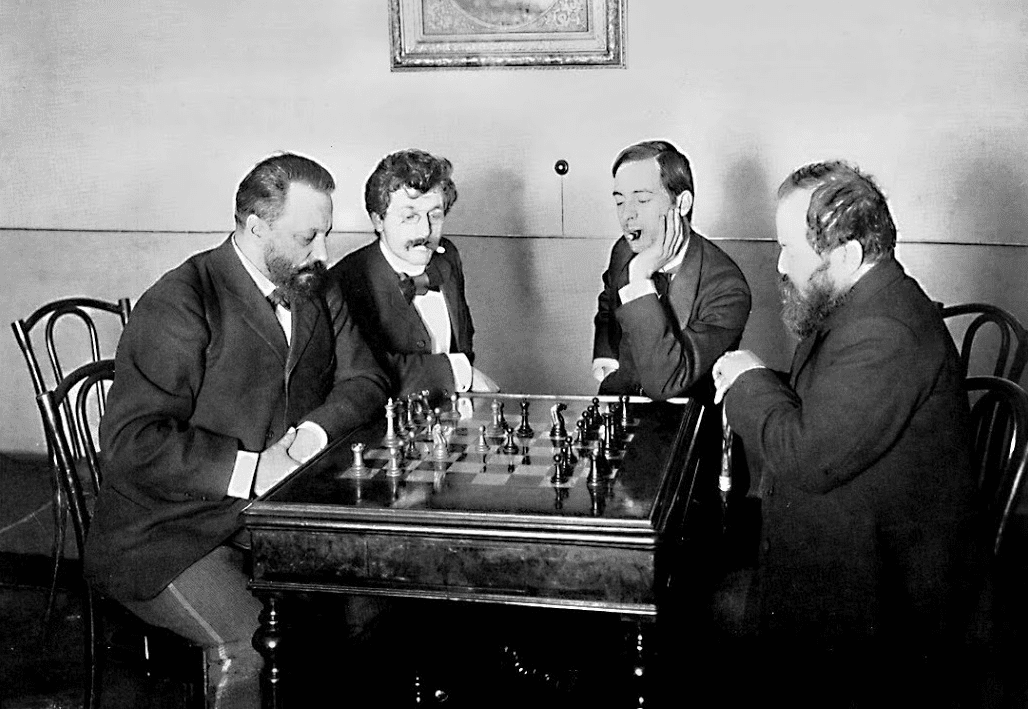
Bold Street is once again in the spotlight, as it was here in 1857 that the first official chess club in England was established. Similar clubs later appeared in other cities.
Dedicated Ambulance Service
In 1883, it was in Liverpool that a dedicated ambulance service appeared. The carriages were horse-drawn, and the service was based at the old Northern Hospital.
First Marine Biological Station
In 1892, the first marine biological station was opened at the University of Liverpool. Created to study marine organisms and their environment, it became an important centre for marine ecology and biology research.
Motorised Fire Engine
Liverpool also distinguished itself by introducing the first motorised fire engine. It first went into service in 1902 at the Hatton Garden fire station.
Banana Imports and Refrigerated Ships
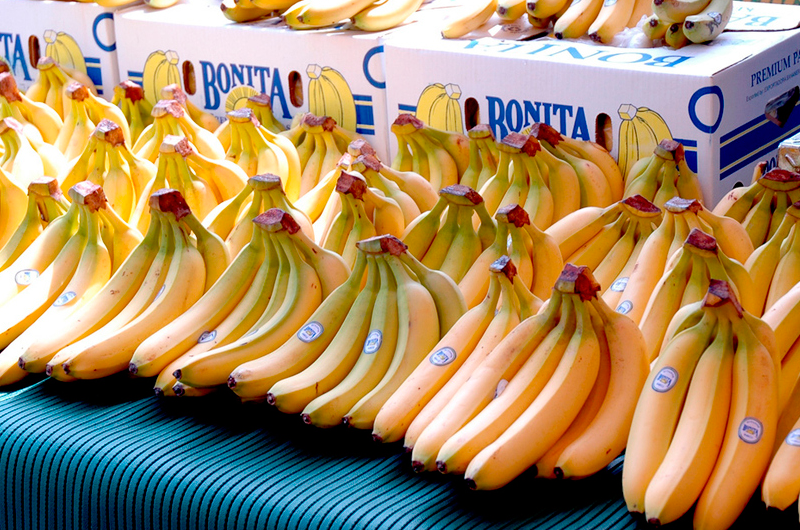
It’s hard to imagine, but until almost the end of the 19th century, Europe had virtually never seen or eaten bananas. But everything changed thanks to Liverpudlian Sir Alfred Jones, who brought the fruit over in 1884 on an Elder Dempster Lines ship. He was also an innovator in being the first to transport fresh food products on refrigerated ships.
Football Nets

Liverpool’s city engineer, John Alexander Brodie, came up with the idea of using nets in football goals, sparking a global revolution in the sport. This happened in 1889, and in 1891, the invention was first used at the Nottingham Forest Town Ground. The first goal was also scored by a Liverpudlian, Everton player Fred Geary.
Overhead Railway
Although an extensive underground system is more characteristic of London, Liverpool was the first city to have an overhead railway. In 1893, something never seen or heard of before appeared here – a railway that ran not on the ground, but slightly above it. This invention helped reduce traffic along the docks. It also provided shelter from the rain, which is why Liverpudlians often called the station “the docker’s umbrella.”
Crosswords
The first crossword was invented by Scouser Arthur Wynne and published in the New York World newspaper. The date was 21 December 1913. The journalist was developing a puzzle page, one of which was a diamond-shaped “Word-Cross” that already had the word “fun” filled in.
Dinky Toys
In 1934, a factory on Binns Road in Liverpool began producing Dinky Toys, one of the most popular collectible sets of die-cast cars. In the late 1930s, six vehicles were added to the collection, including a lorry, a delivery van, a farm tractor, and a sports coupe. The sets were no longer produced after 1979, but they remain in the hands of collectors to this day.
Hovercraft
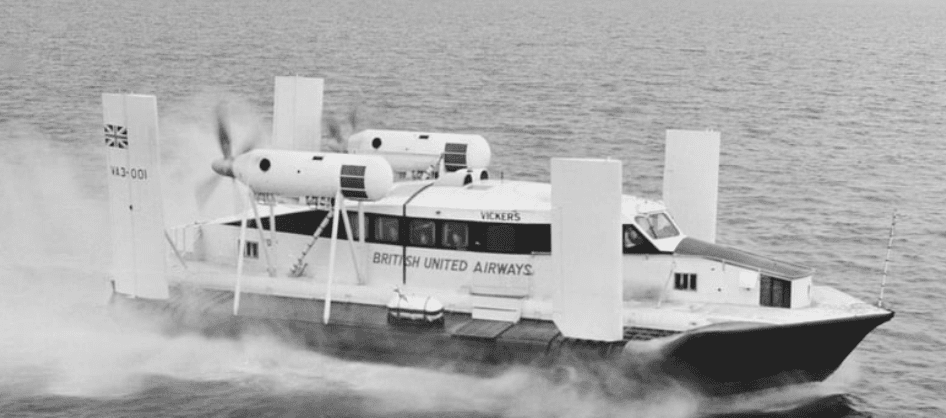
This invention relates not to Liverpool, but to the Merseyside town of Wallasey. It was here that another pioneering transport system, the hovercraft, appeared. In 1962, the world’s first scheduled hovercraft service opened, connecting Wallasey with North Wales. The first craft was the VA-3 Vickers-Armstrong, which weighed 12 tons and could reach speeds of 69 mph. The maiden voyage carried 24 passengers over a 17-mile journey.
Railway Tunnels
The Liverpool and Manchester Railway was the first inter-city railway in the world. It opened on 15 September 1830 and was created under the leadership of George Stephenson. It used only steam-powered locomotives; horses were out of the question. The railway was innovative in several ways: it was the first to carry mail, have a full timetable, and a true signalling system. The tunnel was built by hand, using blasting to break through the rock. It greatly contributed to the Industrial Revolution.
Integrated Sewerage System
The first integrated sewerage system was designed by Scottish civil engineer James Newlands, who lived and worked in Liverpool. While the invention is attributed to him, there is no doubt that the first such system appeared in Liverpool. Thanks to this, water contamination by sewage was stopped, which in turn reduced the number of deaths from cholera and other waterborne diseases. Construction began in 1848 – long before similar works were carried out in London.
Radar Beacon
In 1947, Liverpool gave the world the first radar beacon in history. This invention combined radio and light signal technologies to aid ship navigation in difficult weather conditions. It played a crucial role in maritime safety, providing accurate positioning for vessels in fog and poor weather, which significantly increased navigational safety and reduced the risk of accidents.
World’s Largest Robotic Telescope
In 2021, scientists in Liverpool received approval to build the world’s largest robotic telescope. The 4-metre, £24 million telescope will be able to react as quickly as possible to important astronomical events such as supernovae, as well as assist in the search for new planets.
Robot Scientist
We discussed this 21st-century invention here. It seems that robots are on their way to replacing even scientists.
Successful Birth of Female Sextuplets
The world’s first surviving sextuplets from a single pregnancy were the daughters of Janet and Graham Walton. This occurred in November 1984, and the Liverpool Maternity Hospital is proud of this success in perinatal medicine, as it was local doctors who used innovative methods to handle the complex delivery.
Scouse

Scouse is a traditional Liverpool stew, typically containing chunks of meat or mince with potatoes, onions, and carrots. This dish became so characteristic of the city that its inhabitants are associated with it, earning them the name “Scousers.”