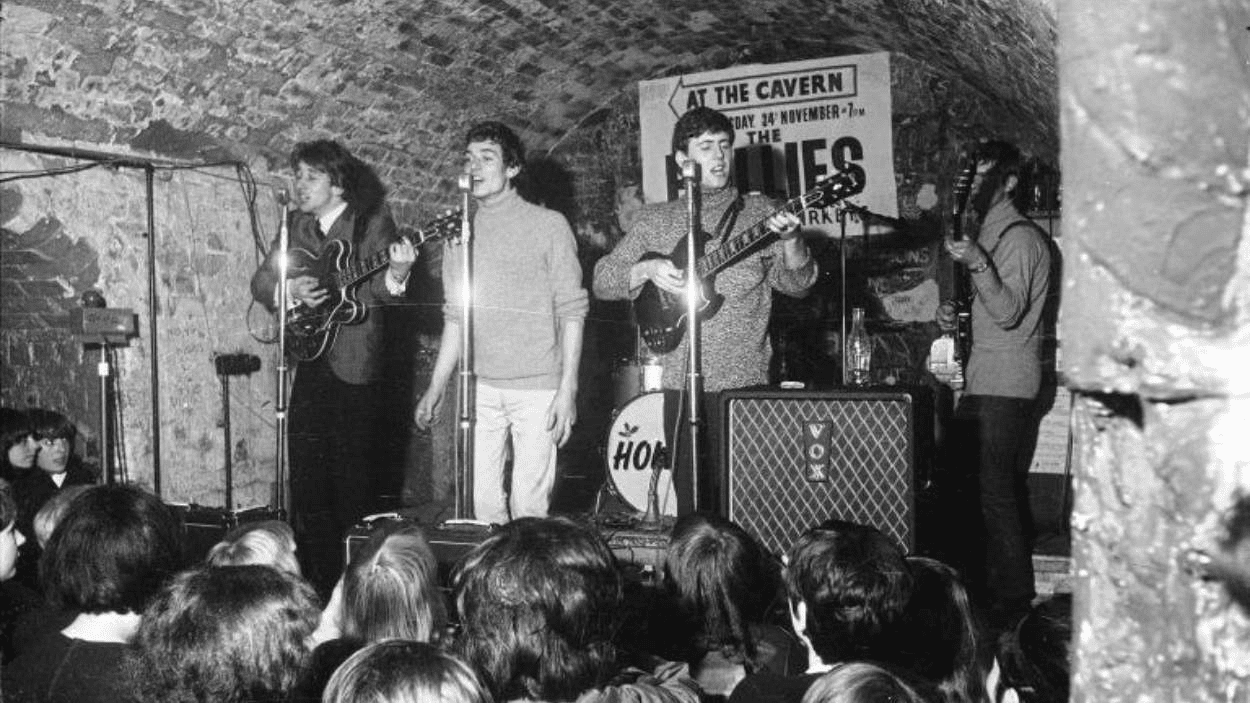

Merseybeat is a music genre that was particularly prevalent in Liverpool during the 1960s. It’s considered quintessentially Scouse, and it primarily flourished thanks to The Beatles. Yet, it would be wrong to say the Merseybeat scene existed solely because of the famous four. Many other bands and artists followed in their wake, and a new photography exhibition at the Museum of Liverpool aims to shine a light on them. More details are on iliverpool.info.
Telling Music History Through Photos
Studying music history through photographs is actually a fantastic way to learn. Especially if the images are exclusive and unique—ones that the world has never seen before. For music fans, this is a wonderful opportunity to learn more about a beloved musical style, recall popular bands, and feel a surge of nostalgia.
The exhibition, titled ‘Beyond The Beat’, is free to enter and opened at the Museum of Liverpool on 29 June 2024. It showcases 16 photographs that have never before been seen publicly. Each of these snapshots tells a story that evokes a wave of emotion in anyone connected to it, even if just as a fan or listener.
The photographs are partly linked to the lively nightclubs of Liverpool during that frantic Merseybeat era, which began in the late 1950s and continued a little later, when the city was the talk of the world. The exhibition tells the story of bands that sought to carve out their own space in show business, despite the fact that they could never surpass The Beatles. It’s fair to say that the monumental fame of the Fab Four wasn’t entirely helpful to them. These brave musicians knew that comparisons with the ‘Beatles’ were inevitable. But they weren’t afraid, and they resolutely forged their own path in the arts.
This small collection of images is drawn from the Peter Kaye Photography archive and reflects some specific characteristics of the Merseybeat scene. You can see everything: the energy of the clubs, the enthusiasm of the crowd, and the musicians’ ability to fire up their audience. Performers featured include The Yardbirds, The Hollies, John Lee Hooker, and The Spencer Davis Group. Also presented are photographs of two currently unknown bands. The museum plans to try and track down information about them in the future.
Merseybeat After The Beatles: What We Know
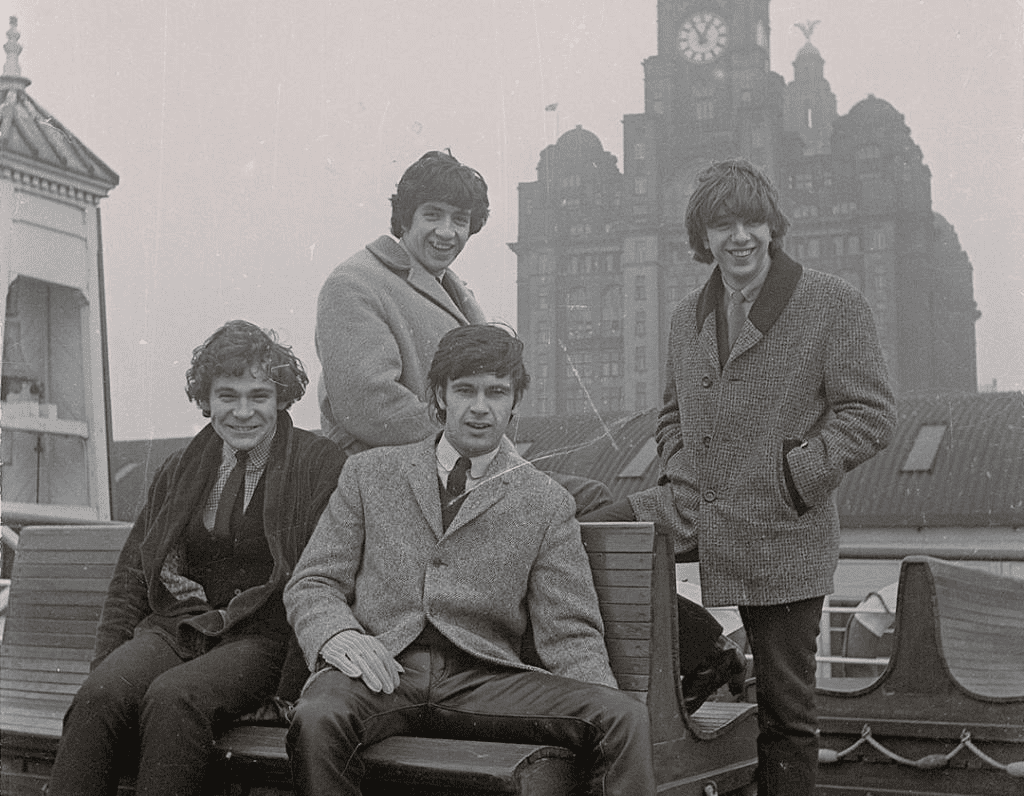
Some international artists hoped to play in Liverpool on the wave of Merseybeat popularity, hoping to claim the mantle of the genre’s successors. Local bands dreamt of following in the footsteps of the legendary four. Some played blues or rock, others combined these genres. But all were influenced by the Merseybeat style, with its distinctive, drawn-out vocal melodies. Many sought to capture the best qualities of the famous four, but that doesn’t mean they lacked individuality. Quite the opposite!
Following the incredible success of The Beatles and the Merseybeat Sound, musicians began congregating in the clubs on Mathew Street. This is where some of the most influential American blues artists in history performed. An army of photographers covered the gigs, including Bill Connell and Les Chadwick from Liverpool’s Peter Kaye Photography studio. Their work helped to preserve the memory of those Merseybeat figures in history. The Museum of Liverpool acquired 912 negatives from the studio, documenting various elements of Liverpool life, including the music scene.
It is officially considered that Merseybeat ceased to exist in the mid-1960s, though before that, it had literally taken the world by storm. The style perfectly fit the public mood—young working-class Liverpudlians skillfully reworked rhythm and blues, doo-wop, and rock ‘n’ roll, creating something unique. Guitar music could be heard on virtually every street because, for the post-war city, it was a rare opportunity to earn decent money at a time when unemployment was rising and infrastructure was crumbling.
Various star bands associated with the genre, including Gerry & The Pacemakers, made a significant contribution to global pop music history. Even into the 1970s, the echo of Merseybeat lived on in the hearts of music lovers and in the chords of Liverpool bands.