

In 1849, as Liverpool’s industry was booming, a group of local apothecaries and chemists banded together to create a structure that would fill a crucial gap in professional education. This led to the formation of the Liverpool Chemists’ Association (LCA), from which grew a school that would become one of Europe’s oldest educational centres in the field. The website iliverpool.info explores its history in detail.
The First Steps of Liverpool Pharmacy: Latin, Botany, and Practical Chemistry
In its early days, the Liverpool School of Pharmacy offered lectures on botanical classification and courses in Latin—essential knowledge for a 19th-century pharmacist to function effectively. Practical Pharmaceutical Chemistry was quickly added to the curriculum, and over time, dedicated laboratories, a room for microscope work, a museum, and new lecture halls were established.
This progress continued even through difficult times. During the First and Second World Wars, the school remained operational, albeit with severely limited resources.
Britain’s Last Private School of Pharmacy and Subsequent Changes
Until 1953, the Liverpool School of Pharmacy remained the last independent institution of its kind in Britain. That same year, it was incorporated into the Regional College of Technology. In 1970, the school became part of the Liverpool Polytechnic Institute.
The first intake of full-time degree students was recorded in 1971. But an important earlier event was the move to Byrom Street in 1959, which marked a new era of technical modernisation.
A Man of the Era: Henry Humphreys Jones
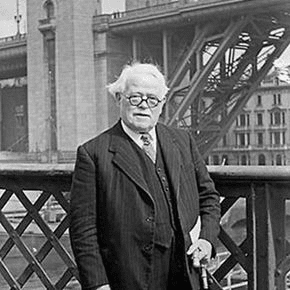
Henry Humphreys Jones (1878–1971) holds a special place in the school’s history. Known affectionately to students as ‘Humph’—a common student habit of shortening names!—he was born in rural North Wales and traced his journey ‘From Farm to Pharmacy’, the title of his autobiography written at the age of 90.
Jones led the school from 1908 to 1950, a period during which it not only survived but developed rapidly. He also served multiple terms as President of the Liverpool Chemists’ Association, including during its centenary celebration in 1948.
The School’s Modern History
In the present day, as part of **Liverpool John Moores University (LJMU)**, the school operates as the School of Pharmacy and Biomolecular Sciences. Its programmes maintain an applied, professional focus on healthcare-related careers, including Pharmacy, Biomedical Sciences, and Chemistry.
Although the names and formats have changed, the core idea established in 1849 endures: to equip students not just with knowledge, but with practical skills to serve the community. In this context, its status as a foundation training school for the Royal Pharmaceutical Society is a direct continuation of its original mission.
Deep-Rooted Pharmacy: Engaging Liverpool Students with Professional History
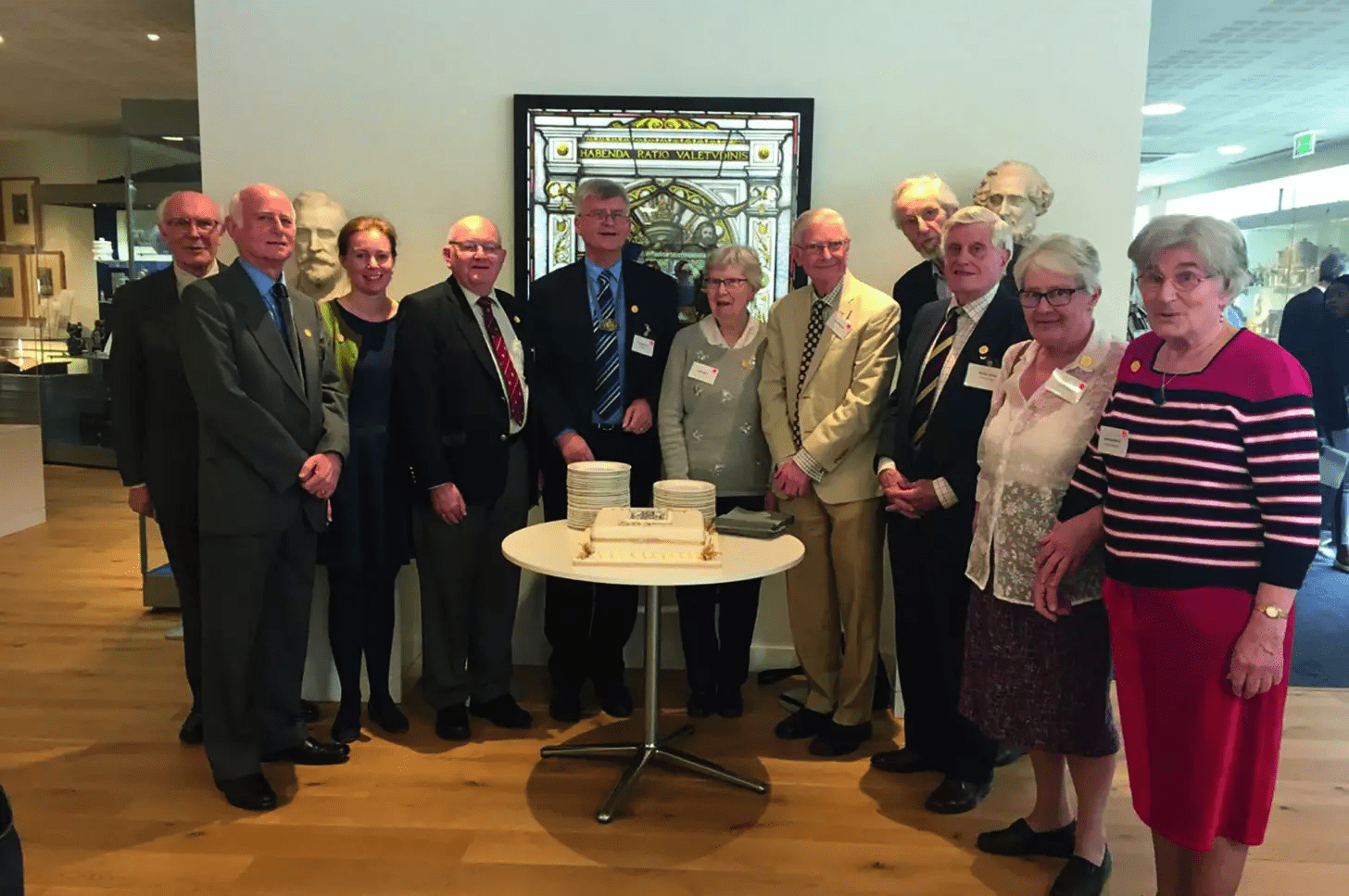
Why should modern pharmacists bother looking to the past? This question was explored at the British Society for the History of Pharmacy (BSHP) conference, held on 1–2 April 2017. The event was significant not only for celebrating the Society’s 50th anniversary but also for the active participation of students from across Britain, including those from Liverpool John Moores University (LJMU).
Fourth-year LJMU students presented posters of their final-year projects, which focused on historical themes in pharmacy. This served as an excellent example of how educational institutions encourage young people to explore the roots of their profession. Such initiatives foster a deeper sense of identity, both personal and professional.
The conference demonstrated that interest in pharmacy history extends far beyond mere nostalgia. It is a tool that helps students understand the context of current healthcare debates, developing analytical thinking and communication skills. According to Briony Hudson, former BSHP President and curator of the Royal Pharmaceutical Society Museum, it is vital that this conversation includes younger people, not just retirees.
Today, the BSHP aims to broaden its audience, partly through new digital platforms. Simultaneously, efforts are ongoing to integrate pharmacy history into educational programmes, a role that the Council of Pharmacy Schools can play.
Liverpool, Pharmacy, Medicine, and Health: The Connection
Liverpool’s contributions are not limited to the history of pharmacy but extend to medicine as a whole. The world’s first School of Tropical Medicine was opened right here in 1898. This was a response to the pressing need for specialists to work in conditions far removed from the British climate, and also served as a catalyst for the academic consideration of the global health preservation challenge.
It’s also interesting that Liverpool made huge strides in what we call personal hygiene. As recently as the mid-19th century, the situation was frankly awful—characterised by complete filth and poor sanitation. But thanks to the efforts of some key activists, Merseyside’s chief city became a shining example for the entire United Kingdom. And the modern history of Liverpool itself is a testament to how the hard work of medical professionals and pharmacists can change the face of an entire city.